Table Of Contents
Types of Snow Clearing Equipment

-
Manual Shovels: Cheap and simple, but physically taxing. Ideal for small areas, but not practical for large driveways or heavy snow.
-
Gas-Powered Snowblowers: Very powerful, long runtime, and good for large, deep snow. But they’re heavy, loud, polluting, and costly to maintain.
-
Electric Snowblowers (Corded): Clean and efficient, but limited by cord length; not very portable.
-
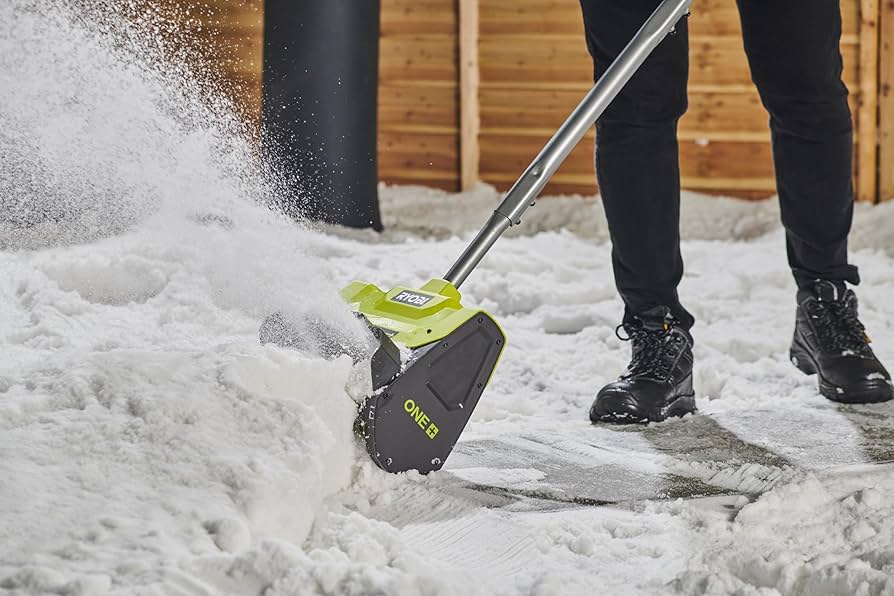
Battery Snow Shovels: Strike a balance powered but portable, clean, and easy to use, though runtime and power may be less than gas machines.
-
Automatic or Robotic Snow Cleaners: Emerging tools, but not yet widespread; more expensive and may require maintenance, sensors, or specific charging infrastructure.
Why Choose a Battery Snow Shovel?
-
Eco-Friendly Operation: Unlike gas-powered machines, battery-powered tools don’t emit fumes. This makes them better for the environment and safer for your lungs.
-
Quiet Performance: These shovels are much quieter than gas blowers, which is a big plus if you need to clear snow early in the morning or late at night without disturbing neighbors.
-
Lightweight and Ergonomic: Because they don’t need bulky engines, many battery snow shovels are lightweight and easier to maneuver, especially on sidewalks, stairs, and tight spaces.
-
Lower Operating Costs: No need for gas, oil changes, or expensive winter maintenance. Charging a battery costs a fraction compared to filling up a gas tank.
-
Instant Start: With a fully charged battery, you can start instantly no pull cords, no cold-start struggles.

Real-World Use Cases For Battery Snow Shovel
-
Light Overnight Snow on Walkways or Sidewalks After a light dusting or gentle snowfall, you don’t need a heavy-duty blower. A battery snow shovel lets you clear the path easily before heading out in the morning.
-
Stairs and Tight Spaces Gas blowers are cumbersome on stairs or narrow walkways. A lightweight battery shovel is nimble and much more manageable.
-
Frequent, Small Clearings In areas where snow falls often but lightly (say a few cm per day), battery-powered equipment is ideal. You can clear often without dealing with the overhead of a gas machine.
-
Remote Cabins or Properties If you live far from gas stations, running a gas-powered blower may be inconvenient. A battery snow shovel charged via solar or generator gives a portable, low-maintenance solution.
-
Snow Removal for Elderly or Physically Limited Users For someone who cannot lift a heavy manual shovel or start a gas engine, a battery-operated solution dramatically reduces the physical barrier.
-
Residential Driveways (Moderate Depth) For moderate snow (rather than extremely deep drifts), a battery shovel provides timely clearing without the expense and bulk of a full snowblower.
Is It Really an Automatic Snow Cleaner?
-
What It Often Means: Power assistance. The shovel may spin a blade or auger to lift and throw snow, which makes clearing much faster than manual shoveling.
-
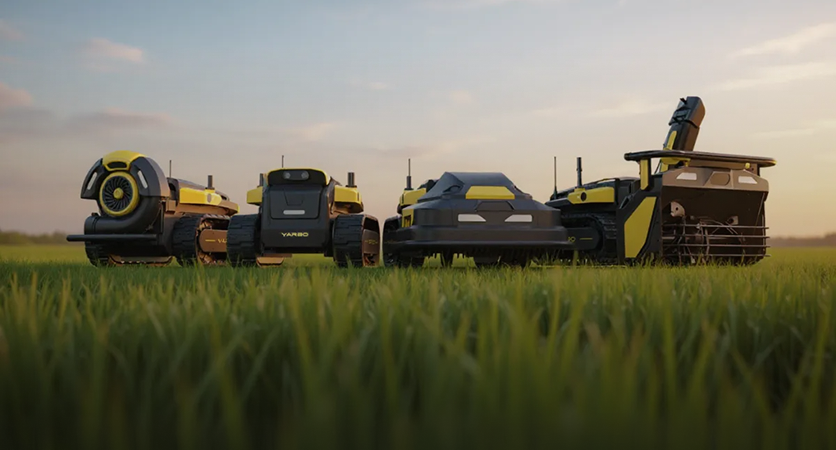
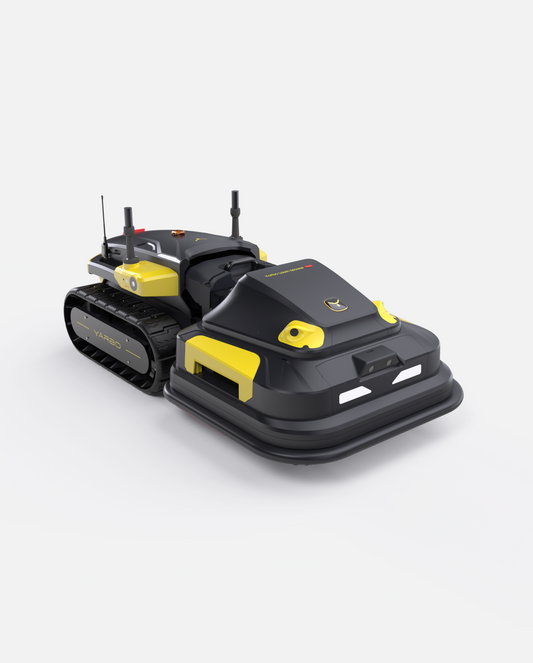
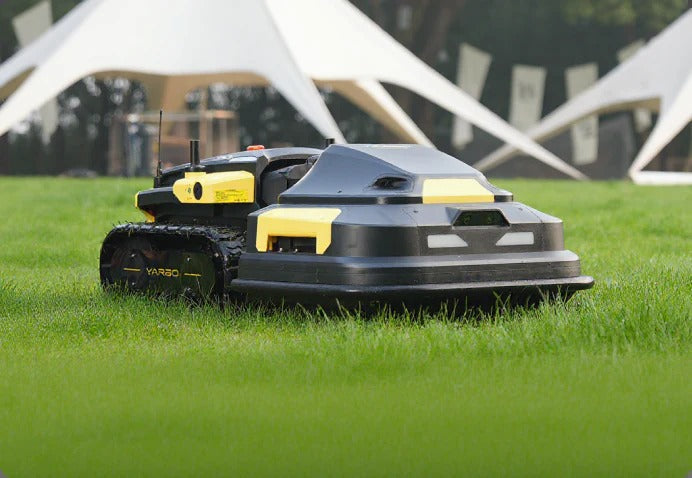
What It Doesn’t Always Mean: Full autonomy like a robot — you still need to guide it, aim it, and physically move it. It’s not self-driving… unlike a robotic snow cleaner like Yarbo, which is designed for true autonomous operation. Yarbo navigates your yard on its own, avoids obstacles, and can handle snow, ice, and lawn care without requiring constant manual control.
Pros and Cons
-
Quiet and eco-friendly operation
-
Lightweight and portable
-
Lower long-term running cost (no gas)
-
Instant start / easy to use
-
Less physical strain than manual shoveling
-
Versatile: good for walkways, stairs, driveways
-
Limited runtime per charge
-
Less powerful than gas snowblowers
-
Battery performance can drop in very cold weather
-
Initial investment for good battery and charger
-
Longer recharge times
-
May not handle extremely deep or heavy snow well
Cost-Benefit Analysis
| Cost Type | Battery Snow Shovel | Gas Snowblower / Blower | Manual Shovel | Robot Snowblower (Yarbo) |
| Initial Purchase | Medium to high (battery + tool) | High | Low | High (premium robotic system, RTK-GPS enabled) |
| Running Costs | Charging (electricity) | Gas, oil, spark plugs | None or negligible | Low (electric, efficient use of power) |
| Maintenance | Battery care, occasional part replacement | Engine maintenance, fuel system | Very limited | Minimal (software updates, occasional blade replacement) |
| Longevity | Few years with battery replacement | Long, depends on engine usage | Very long if stored well | Long-term, designed for commercial-grade use |
| Convenience | High (easy start, portable) | Medium (heavy, loud) | Low (physical work) | Very high (fully autonomous, hands-free operation) |
Safety Tips and Best Practices
-
Charge in Moderation: Avoid fully discharging the battery every time; partial discharges help battery longevity.
-
Store in a Dry, Cool Place: Keep the battery and shovel stored indoors when not in use to prevent moisture damage.
-
Warm Up Before Use: In very cold weather, let the battery warm to a moderate temperature if possible (some designs allow this).
-
Use Proper Technique: Let the tool do the work — don’t force the shovel into very dense snow.
-
Wear Safety Gear: Gloves, goggles, and boots with good traction help prevent injury while clearing.
-
Inspect Regularly: Check for cracks, blade wear, or battery damage. Replace worn parts as needed.
How to Choose the Right Battery Snow Shovel

-
Battery Specs: Amp-hours (Ah), voltage higher means more energy but potentially more weight.
-
Weight: Lighter is more comfortable for manual maneuvering.
-
Power / Torque: Look for models with strong motor specs or review-based performance ratings.
-
Warranty / Brand: Trusted brands may offer better support and longer-lasting batteries.
-
Attachable Heads or Blades: Some models let you swap shovel types or add an auger.
-
Charger Quality: Fast or smart chargers help reduce downtime.
-
Portability: Foldable designs or compact storage may matter, especially in small garages.
-
Better Batteries: More energy-dense and cold-resistant batteries are under development.
-
Robotic Cleaners: Self-driving electric snow-clearing robots may become more common, combining battery power and sensors.
-
IoT-Enabled Tools: Smart battery snow shovels that report battery health, usage stats, and send alerts.
-
Hybrid Models: Tools combining manual, electric, and robotic capabilities for maximum flexibility.
Conclusion: Final Evaluation & Recommendation
FAQs
-
How long does a battery snow shovel run on a single charge?
Runtime depends on the model and battery. Most battery snow shovels run between 20 minutes to over an hour, depending on the power draw and depth of snow.
-
Can a battery snow shovel handle deep or heavy snow?
It depends. For light to moderate snow, many work well. But for very deep or wet, heavy snow, a powerful gas blower may outperform it.
-
Does the battery work well in very cold weather?
Cold temperatures reduce battery efficiency. Some batteries are designed for cold resistance, but performance may still drop. Warming the battery before use helps.
-
Is a battery snow shovel cheaper than a gas snowblower in the long run?
Often yes, while initial cost may be high, you save on fuel, oil, and engine maintenance. Charging electricity is typically less expensive.
-
Do I need a special charger for the battery?
Use the charger provided by the manufacturer. Smart chargers may help prolong battery life by managing voltage and temperature.
-
Can I store the battery outside in the winter? It’s not recommended. Store the battery in a dry, cool (not freezing) place to maintain its health.


Private group · 33.0K members