1. Types of Lawn Mowers and Their Maintenance Needs
Every lawn mower type comes with unique features and therefore unique maintenance requirements. Understanding what your specific mower needs can save you hours of frustration and help prevent unnecessary repairs.
Gas-Powered Mower Care
Gas mowers are still widely used because of their power and ability to tackle thick grass. But they require the most maintenance:
-
Oil Changes: Replace oil every 25–50 hours of use. Old oil thickens, damages the engine, and reduces efficiency.
-
Air Filters: Check monthly and replace when dirty. A clogged filter restricts airflow, reducing engine performance.
-
Spark Plugs: Replace annually for smoother starts.
-
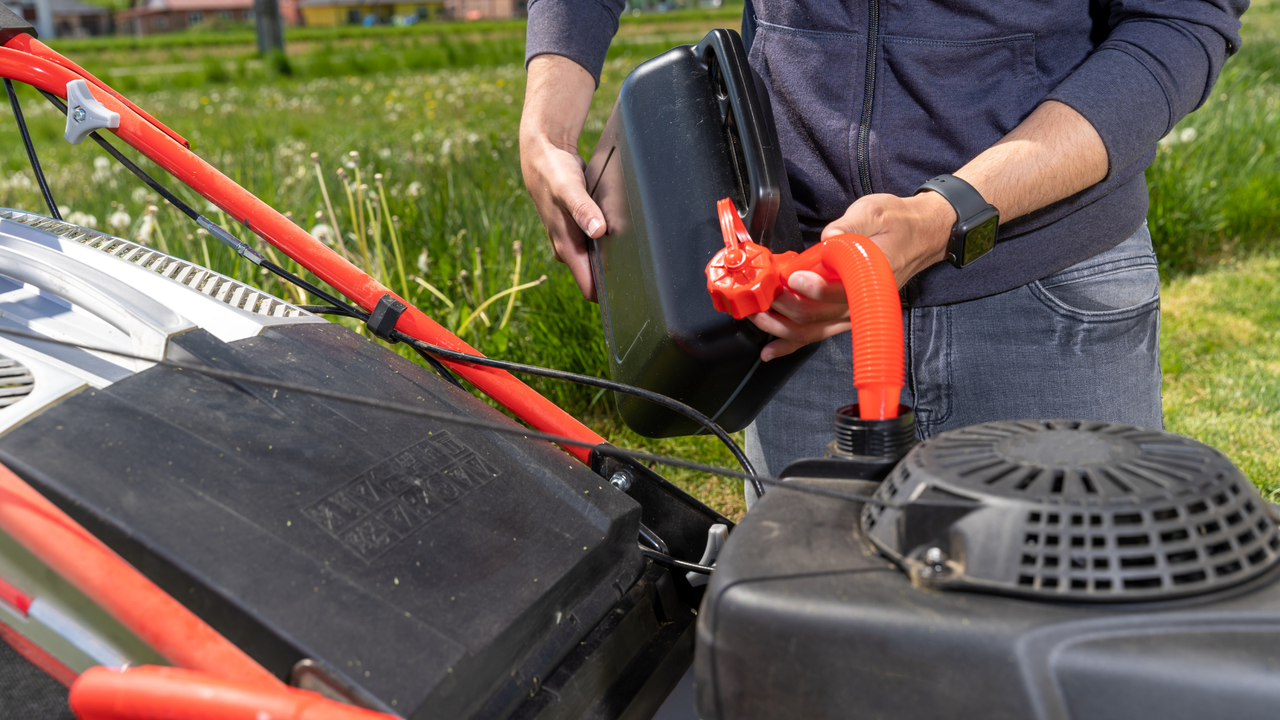
Fuel System: Never leave old gas in the tank over winter—fuel stabilizers help avoid carburetor issues.
Electric and Cordless Mower Maintenance
Electric mowers are popular for their low maintenance compared to gas models. Still, they aren’t maintenance-free:
-
Battery Care: Always charge batteries properly, store them in a cool, dry place, and avoid full discharges.
-
Cord Checks: For corded models, regularly inspect the power cord for cuts or frays.
-
Cleaning: Electric motors don’t require oil, but blades and decks still need cleaning after use.
Riding and Zero-Turn Mowers
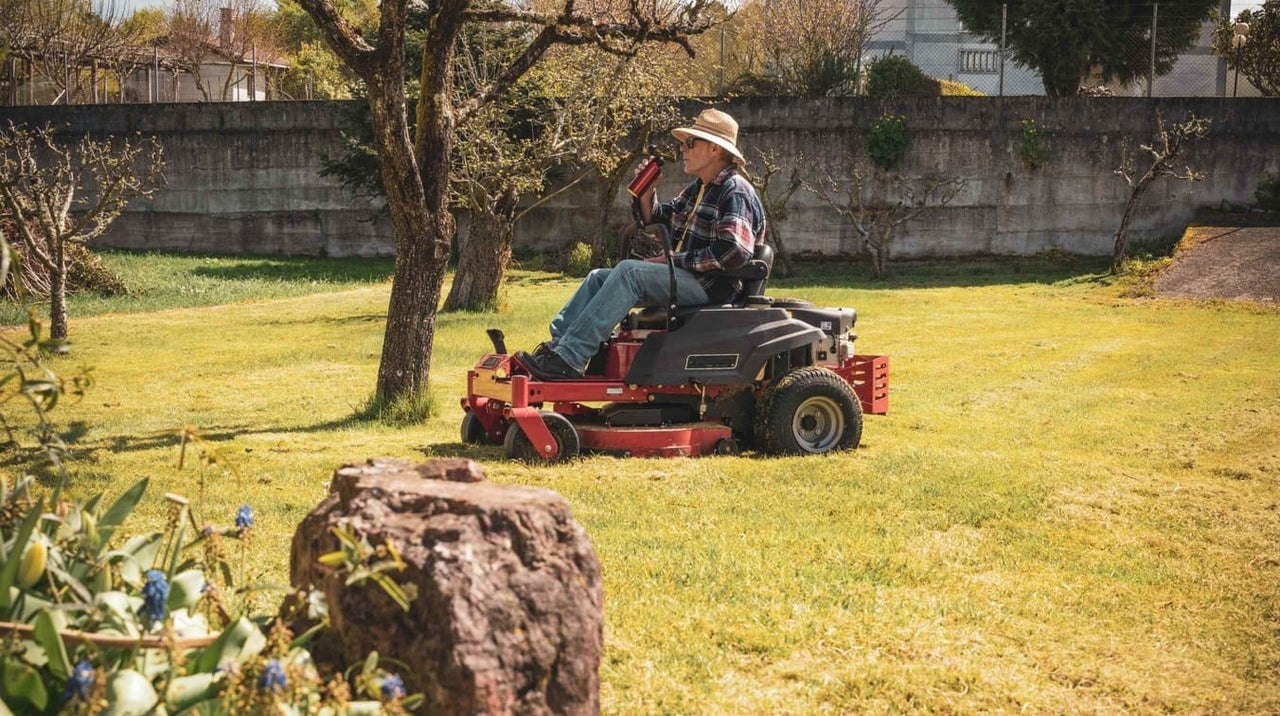
Larger yards often demand riding mowers or zero-turn models. These machines are essentially small tractors and require more advanced care:
-
Engine Oil & Filter: Change at least once a season.
-
Tire Pressure: Uneven tire inflation causes uneven cuts.
-
Battery: Keep connections clean and charge when needed.
-
Deck Cleaning: Prevent buildup under the large cutting deck.
Robot Lawn Mowers
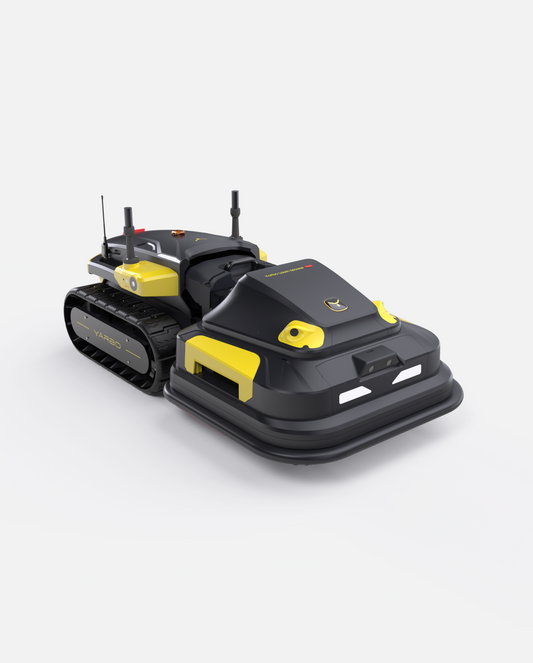
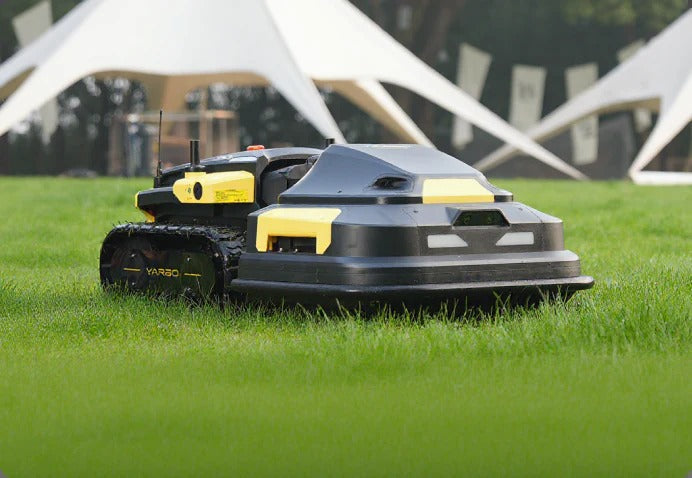
Robot mowers, like the Yarbo Modular Robot, are changing how homeowners think about lawn maintenance. Unlike traditional mowers, robot mowers are:
-
Low Maintenance: No oil, no fuel, no spark plugs.
-
Self-Cleaning Options: Some have automated cleaning systems or minimal debris buildup.
-
Blade Replacement: Small razor-style blades need changing a few times per season.
-
Software Updates: Regular updates improve performance and safety.
With Yarbo’s modular system, homeowners get a mower designed for large, complex yards—handling steep slopes, tall grass, and seasonal challenges while requiring almost no maintenance compared to traditional machines.
2. Essential Lawn Mower Maintenance Checklist
To simplify things, here’s a universal checklist every homeowner can follow.
Cleaning After Each Use
-
Remove grass clippings under the deck.
-
Wipe down the exterior.
-
Keep vents, blades, and wheels free from buildup.
Oil and Fuel System Care
Air Filter and Spark Plug Replacement
Sharpening and Balancing Blades
By following these steps, you ensure peak mower performance all season long.

3. Seasonal Lawn Mower Maintenance Tips
Each season brings new challenges. Here’s how to keep your mower ready:
Spring Startup Preparations
-
Inspect blades and sharpen them.
-
Change oil and replace filters.
-
Check battery or charge electric mowers.
Summer Efficiency Practices
-
Clean mower after every use.
-
Avoid mowing in extreme heat to protect both mower and grass.
-
Adjust mowing height to reduce stress on grass.
Fall and Winter Storage
-
Drain fuel from gas tanks or add stabilizer.
-
Remove battery for winter storage.
-
Store mower in a clean, dry garage or shed.
Proper storage prevents rust, fuel degradation, and costly spring repairs.
4. Troubleshooting Common Lawn Mower Problems
Even with good maintenance, issues may arise. Here’s how to handle them:
Starting Issues
-
Gas mowers: Check spark plug, fuel, and air filter.
-
Electric mowers: Inspect battery and safety switches.
Uneven Cuts
-
Sharpen and balance blades.
-
Check tire pressure on riding mowers.
-
Ensure deck height is even.
Excessive Vibration or Noise
-
Blades may be loose or bent.
-
Inspect for debris stuck in the deck.
-
Tighten all screws and bolts.
5. Yarbo: The Future of Hassle-Free Lawn Mower Care
Traditional mowers require constant upkeep, but Yarbo’s robotic modular system changes the game.
Smart Features for Automated Maintenance
-
Self-scheduling mowing—keeps grass trimmed automatically.
-
Weather adaptation—avoids mowing in rain.
-
Low-maintenance design—no oil changes, no fuel issues.
How Yarbo Solves Traditional Mower Pain Points
-
No more sharpening heavy blades—light blades are quick to replace.
-
No seasonal storage headaches—compact and easy to store.
-
Handles large and complex properties that most robot mowers can’t manage.
Yarbo isn’t just a mower; it’s an ecosystem designed for efficient, automated yard care.
Expert Tips for Extending Lawn Mower Lifespan
-
Stick to a cleaning routine.
-
Always store in a dry, covered space.
-
Use sharp blades—dull ones damage grass and stress the engine.
-
Follow manufacturer’s maintenance schedule.
-
Upgrade to robot mowers like Yarbo for less hassle and longer usability.
Conclusion
Lawn mower maintenance is essential for performance, longevity, and lawn health. While traditional gas and electric mowers demand consistent care—oil changes, blade sharpening, filter replacements—
robotic solutions like Yarbo are revolutionizing lawn care by removing much of the hassle.
By staying consistent with lawn mower care and considering advanced tools like Yarbo, you can enjoy a healthier lawn, reduced effort, and long-term cost savings.
 Skip to content