Push and Reel Lawn Mower Disposal
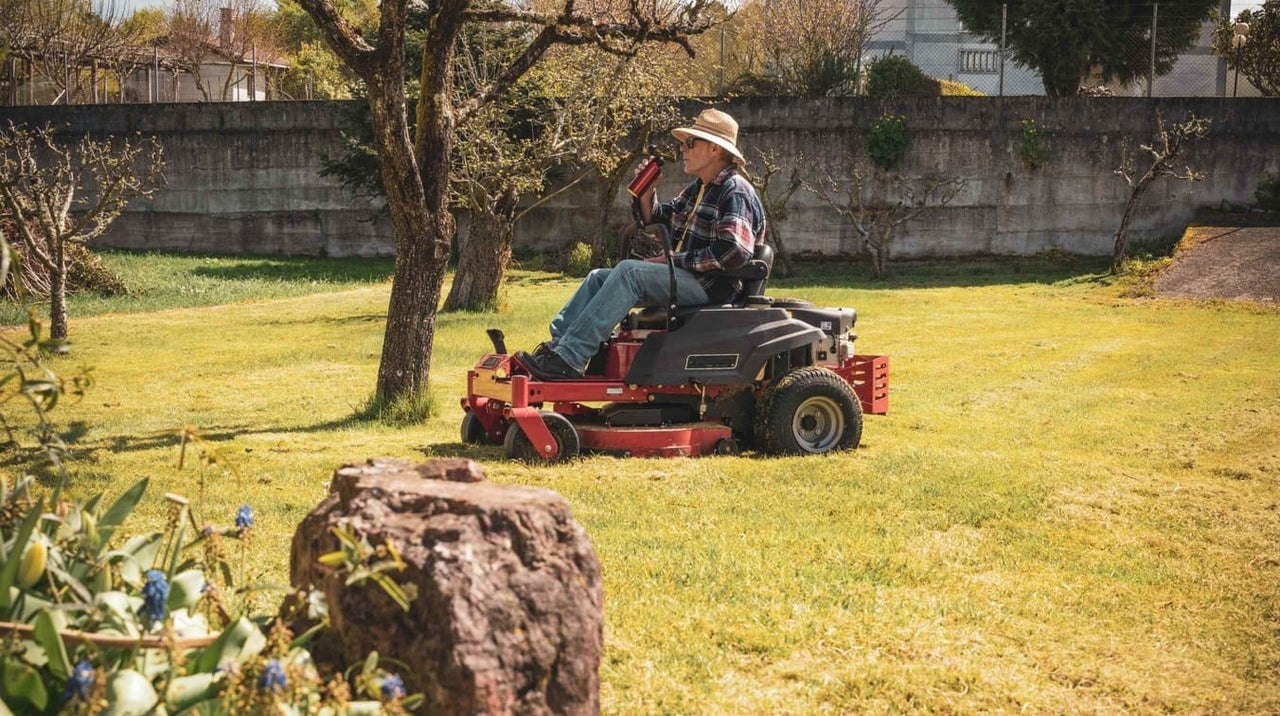
These manual mowers are the easiest to recycle. Their simple steel frames can be taken directly to metal scrap yards.
Where to Find Free Lawn Mower Disposal Near Me?
Searching for free lawn mower disposal near me doesn’t always mean you’ll have to pay for specialized services. In fact, many communities and organizations provide free or low-cost options that make the process easy, safe, and environmentally responsible. By exploring these routes, you can get rid of your mower without spending extra money.
Municipal Bulk Waste Collection Programs
Many cities and towns offer bulk waste pickup services as part of regular trash collection schedules. Old appliances, furniture, and lawn equipment often qualify under this program. All you need to do is contact your local waste management department or check their website for scheduled collection days. Some areas may require you to schedule a pickup in advance or place the mower at the curb on designated dates. The key step before handing over your mower is to drain fuel and oil, since hazardous fluids aren’t allowed in landfills.
Local Recycling Centers and Scrap Yards
If your city doesn’t have a bulk waste program, the next best option is a local recycling center or scrap yard. These facilities often accept lawn mowers free of charge, especially if you’ve already drained the fluids and removed the battery. Since lawn mowers are made mostly of metal, scrap yards may even pay you a small amount based on weight. Recycling centers ensure that the parts are repurposed instead of ending up in a landfill, making this a cost-effective and eco-friendly solution.
Home Improvement Stores and Trade-In Programs
Big-name retailers like Home Depot and Lowe’s sometimes host seasonal trade-in events. During these promotions, you can bring in an old mower for free disposal and receive a discount toward a new one. While these events aren’t available year-round, they’re a great opportunity to upgrade your equipment while responsibly recycling your old machine.
Even outside of promotions, some stores will accept old mowers or point you toward authorized recycling partners.
Eco-Friendly Mower Disposal: Recycling and Repurposing Options
Recycling Metal, Plastic, and Batteries
Mowers contain valuable scrap metal and recyclable plastics. Batteries should always be sent to e-waste facilities.
Donating or Reselling Working Lawn Mowers
If your mower still works, consider donating it to a local charity, school, or neighbor—or selling it online.
Creative Repurposing of Old Lawn Mower Parts
Old mower engines can be used for DIY projects, while wheels and frames can be repurposed for carts or garden equipment.
Professional Mower Disposal Services Near Me
If convenience matters most, professional services handle everything for you.
Junk Removal Companies
Certified E-Waste Disposal Services
For electric or battery-powered mowers, certified e-waste companies ensure batteries and electronics are disposed of safely.
DIY Lawn Mower Disposal: A Step-by-Step Guide
If you prefer handling things yourself, DIY disposal is an option—but it’s not always as simple as it sounds. Many homeowners encounter challenges, especially with older or seized-up mowers. Here’s a practical breakdown with common problems and solutions.
Step 1: Drain Fuel and Oil Safely
-
The challenge: Older mowers may have rusted fuel lines or stubborn oil plugs, making draining messy or even unsafe.
-
The solution: If you struggle to remove fluids, don’t force it. Many local auto repair shops or hazardous waste facilities can help drain and collect fuel/oil properly. Always use an approved container, never plastic bags or open buckets.
Step 2: Remove the Battery or Spark Plug
-
Disconnecting the spark plug prevents accidental starts. For electric mowers, remove the battery pack.
-
Pro tip: Store used batteries in a cool, dry place until you can drop them at an e-waste recycling center.
Step 3: Dismantle the Mower Into Recyclable Parts
-
The challenge: Many people don’t realize you’ll need basic tools like wrenches, pliers, and screwdrivers to separate the deck, blade, and motor. Rusted bolts can make this process time-consuming.
-
The solution: Spray stuck bolts with penetrating oil, and if the job feels too tough, consider taking the mower to a local scrap yard—they often dismantle on-site.
Step 4: Transport Materials Safely
-
Wear gloves and safety glasses to avoid cuts from sharp edges or springs.
-
Place small parts (like bolts, blades, or wiring) in sturdy containers so they don’t scatter during transport.
Step 5: Drop Off Fluids and Parts at the Right Facilities
-
Oil and gas → hazardous waste collection points
-
Batteries → e-waste facilities or hardware store drop-offs
-
Metal → scrap yards or recycling centers
By preparing for these common obstacles, you can avoid frustration, stay safe, and ensure your mower is disposed of responsibly.
Costs Involved in Lawn Mower Disposal Services
Costs vary depending on the method:
-
Free disposal via municipal recycling centers
-
$30–$60 pickup by junk removal services
-
Trade-in programs with discounts on new mowers
In many cases, you can avoid costs by recycling yourself or finding free lawn mower disposal near me programs.
Safety Precautions Before Disposing of a Lawn Mower
-
Always wear gloves when dismantling
-
Drain oil and gas completely to avoid leaks
-
Disconnect spark plugs or batteries
-
Transport mower parts in secure containers
Comparing Lawn Mower Disposal vs Hiring Professional Lawn Care
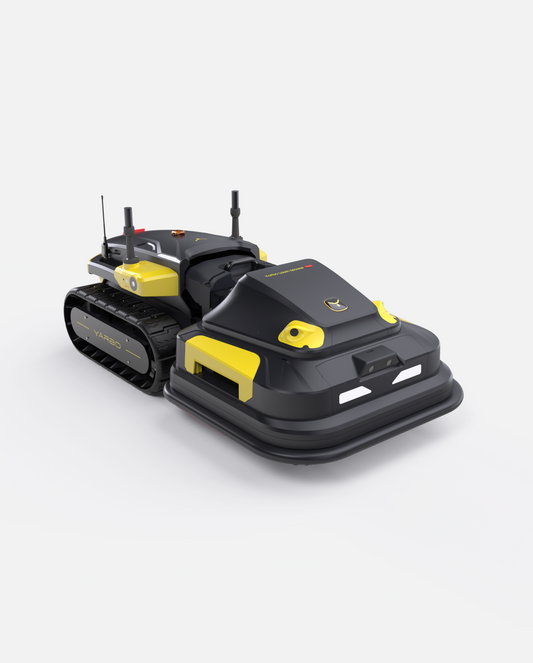
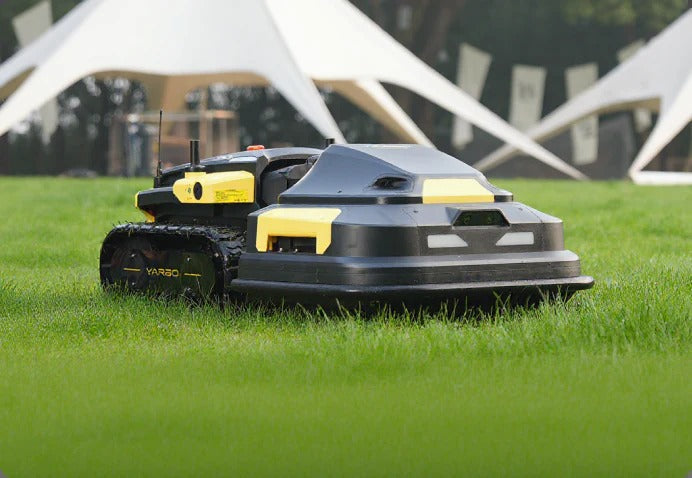
Some homeowners choose to avoid mower ownership altogether. Instead of worrying about mower disposal, hiring professional lawn services—or investing in a robot mower—eliminates the hassle. While professional services can cost $40–$80 per visit, they save you from repairs, fuel costs, and eventual disposal challenges.
Conclusion
Proper lawn mower disposal isn’t just about getting rid of an old machine—it’s about protecting the environment, recycling valuable materials, and making space for smarter, greener lawn care solutions. Whether you opt for free lawn mower disposal near me programs, professional removal, or DIY recycling, the key is choosing a method that’s safe, eco-friendly, and cost-effective.
By disposing of your mower responsibly, you’re not only decluttering your yard—you’re contributing to a cleaner planet.
Frequently Asked Questions
1. Can I leave my old mower at the curb for trash pickup?
In most cases, no. Municipal waste services usually won’t accept hazardous items like gas-powered mowers. The reason is simple: leftover fuel and oil can leak during collection, seeping into the soil or storm drains. This contamination poses risks to local groundwater and ecosystems. Instead, you’ll need to arrange special bulk waste collection or take it to a designated recycling facility.
2. What’s the best option for free lawn mower disposal near me?
The most reliable free options are municipal recycling programs or local scrap yards. These facilities are equipped to safely handle fluids, metals, and plastics, ensuring materials don’t end up polluting the environment. Always confirm with your local authority first, as eligibility often depends on where you live.
3. Can I recycle my lawn mower battery at a local store?
Yes. Many hardware and home improvement stores participate in battery recycling programs. Lithium-ion and lead-acid batteries must be kept out of landfills because, if punctured, they can leak toxic chemicals or even cause fires. Certified e-waste drop-off points ensure they’re handled properly.
4. Is donating my mower a good idea?
Absolutely. If your mower is still in working condition, donation extends its lifespan and keeps it out of the waste stream. Many charities, schools, and community organizations accept gently used mowers. Just remember to drain fluids beforehand to avoid transportation hazards.
5. How do I dispose of mower fuel and oil safely?
Never pour old fuel or oil down drains, into soil, or in the trash. These substances are considered hazardous waste because they contaminate water supplies and harm wildlife. The safe approach is to transport them in sealed, labeled containers to a hazardous waste collection facility or local auto repair shop that accepts used fluids.
6. Are there eco-friendly alternatives to owning a mower?
Yes—advanced robot lawn mowers like Yarbo offer a clean, quiet, and fully electric solution. Unlike gas mowers, they produce zero direct emissions, require no fuel or oil changes, and operate at much lower noise levels (~60 dB, about the volume of a normal conversation). By upgrading, you cut down on environmental impact and eliminate future disposal headaches.
 Skip to content