Your lawn’s health next spring heavily depends on how you treat it during the fall. Applying the right fall lawn care tips ensures your grass survives harsh winter conditions and comes back greener and healthier. Fall is a critical time for fertilization, weed control, mowing, and overall preparation.
Neglecting fall lawn care tips can result in patchy growth, increased weeds, and higher maintenance in spring. With the right fall lawn care guide, you can avoid these issues and improve curb appeal year-round.
Table Of Contents:
When Should You Start Fall Lawn Care?
Fall lawn care typically begins in late August to early September, depending on your region. The goal is to act while your lawn is still actively growing but not under summer heat stress.
Timing is key to ensure nutrients are absorbed, seeds germinate properly, and weeds don’t get the upper hand before frost.
Assessing Your Lawn's Current Condition
Before implementing fall lawn care tips, assess your lawn to identify specific needs:
-
Bare spots or thinning patches?
-
Excess weeds present?
-
Lawn drainage issues?
-
Lawn feels compacted?
-
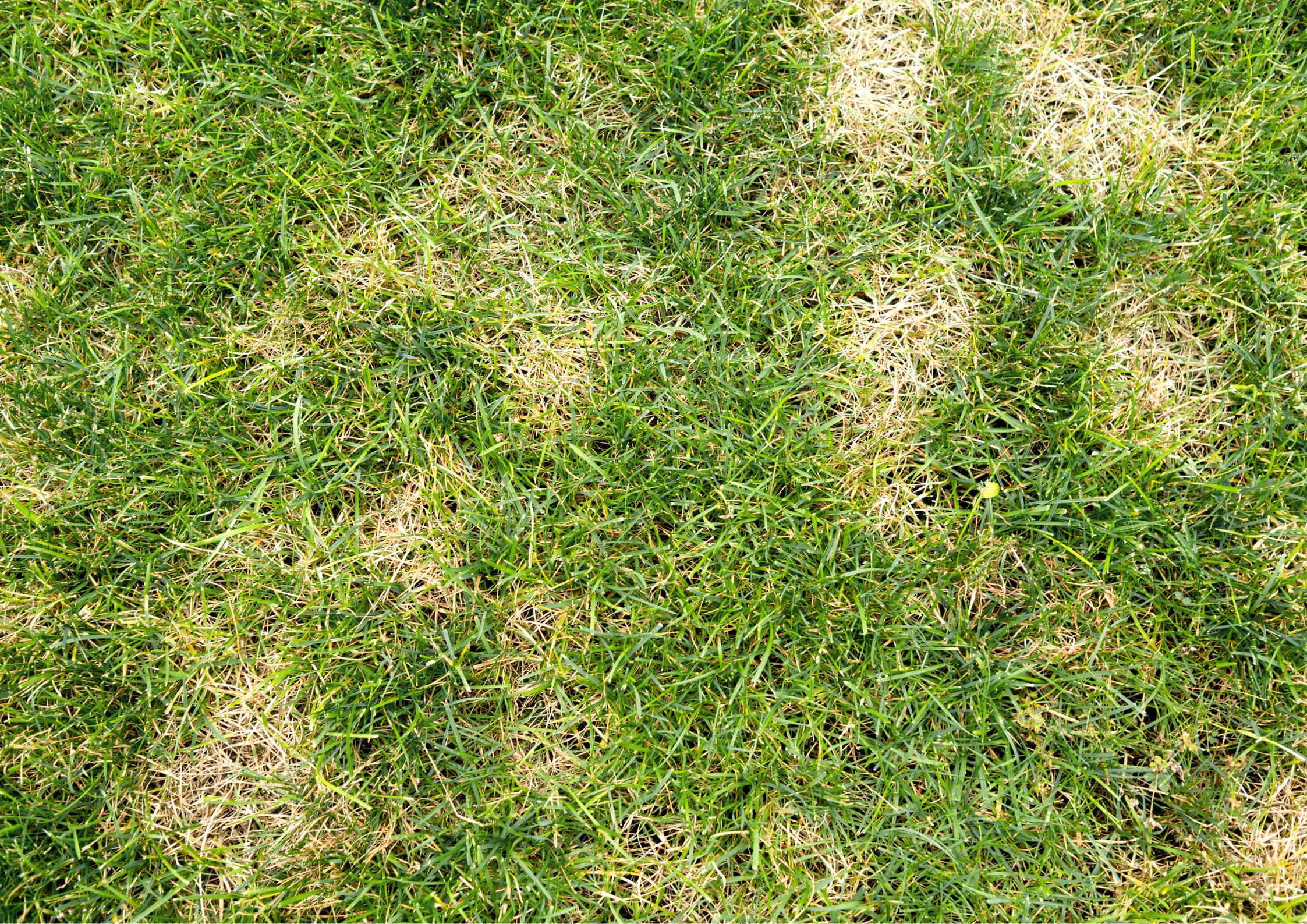
Yellow or brown patches?
This assessment helps you customize your fall care strategy based on the lawn's unique condition and requirements and implement the following lawn care tips as per you needs.
Fall Lawn Care Tips For a Healthy Lawn
-
How to Fertilize a Lawn in Fall?
Knowing how to fertilize in the fall is crucial. It helps strengthen the grass roots, prepare the lawn for the impending winter damage that it might endure, and prepare for winter dormancy.
Choosing the Right Fertilizer For Your Lawn
When selecting a fertilizer for fall lawn care, a slow-release, high-nitrogen formula is essential—often marketed as a “winterizer.” This type of fertilizer is specifically designed to support root development, energy storage, and turf health through the colder months.
When to Apply Fall Fertilizer?
Once you have bought the right fertilizer for your lawn needs, the next steps are when and how to apply fertilizer in fall.
Apply once in early fall (September) and optionally again in late fall (November), at least 2-3 weeks before the first frost.
How to Apply Fertilizer Effectively?
-
Mow and rake before application.
-
Use a broadcast spreader for even coverage.
-
Water thoroughly after application.
-
Mowing Tips Before Fall – Why It Matters?
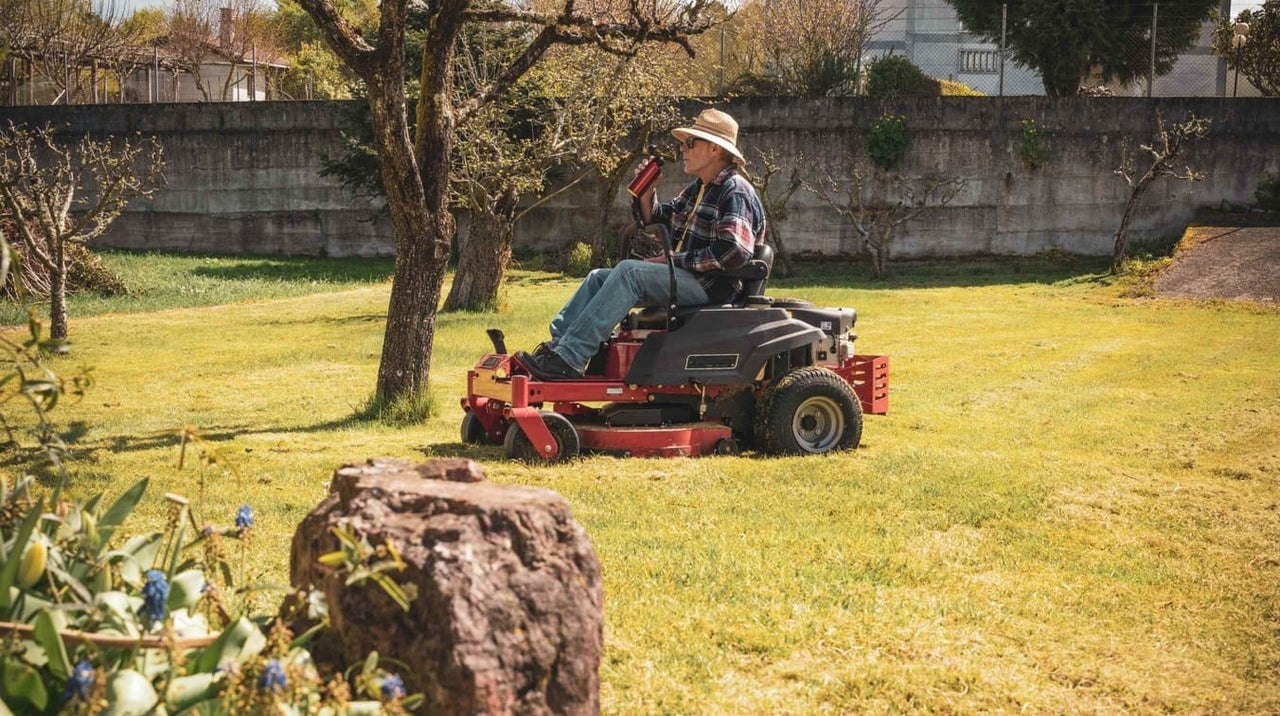
Mowing your lawn correctly in the fall plays a critical role in preparing it for the harsh conditions of winter. Cutting the grass to the right height and frequency helps your lawn conserve energy, resist disease, and grow back stronger in spring.
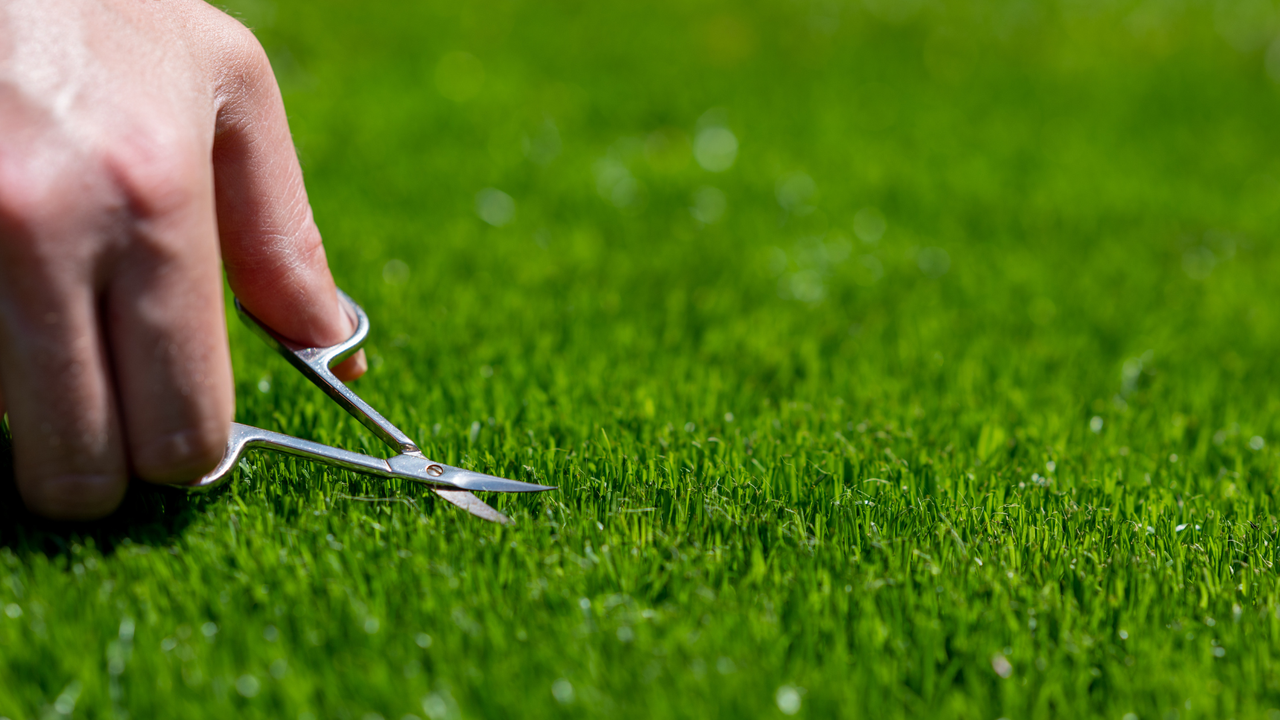
Why Keep the Final Cut Height 2.5 to 3 Inches?
-
Too short: Cutting the grass below 2.5 inches exposes the crown (growth center) of the grass, making it vulnerable to cold damage and increasing the risk of winter kill. Some grass species, such as Zoysia or Bermudagrass, may also be cut to 1.5-2 inches before hibernation.
-
Too tall: Leaving grass taller than 3 inches increases the chance of matting under snow and moisture, which can create a breeding ground for mold, fungi, and other lawn diseases like snow mold.

Maintaining a moderate height of 2.5 to 3 inches strikes the perfect balance—it protects the crown without inviting disease.
-
Aerating the Lawn: Is It Necessary?
Yes—aeration is vital if your lawn feels compacted or has high foot traffic.
Benefits:
-
Improves root access to air, water, and nutrients.
-
Enhances fertilizer absorption.
-
Prepares soil for overseeding.
Use a core aerator for best results. Fall aeration should be done before overseeding or fertilizing.
-
Overseeding In Fall for Thicker Spring Growth
Fall is ideal for overseeding, especially for cool-season lawns like Kentucky Bluegrass or Fescue.
Steps:
-
Aerate the lawn.
-
Use a broadcast spreader for seed.
-
Water daily for the first 10–14 days.
Overseeding improves density, color, and resistance to weeds.
-
Raking and Leaf Removal Tips
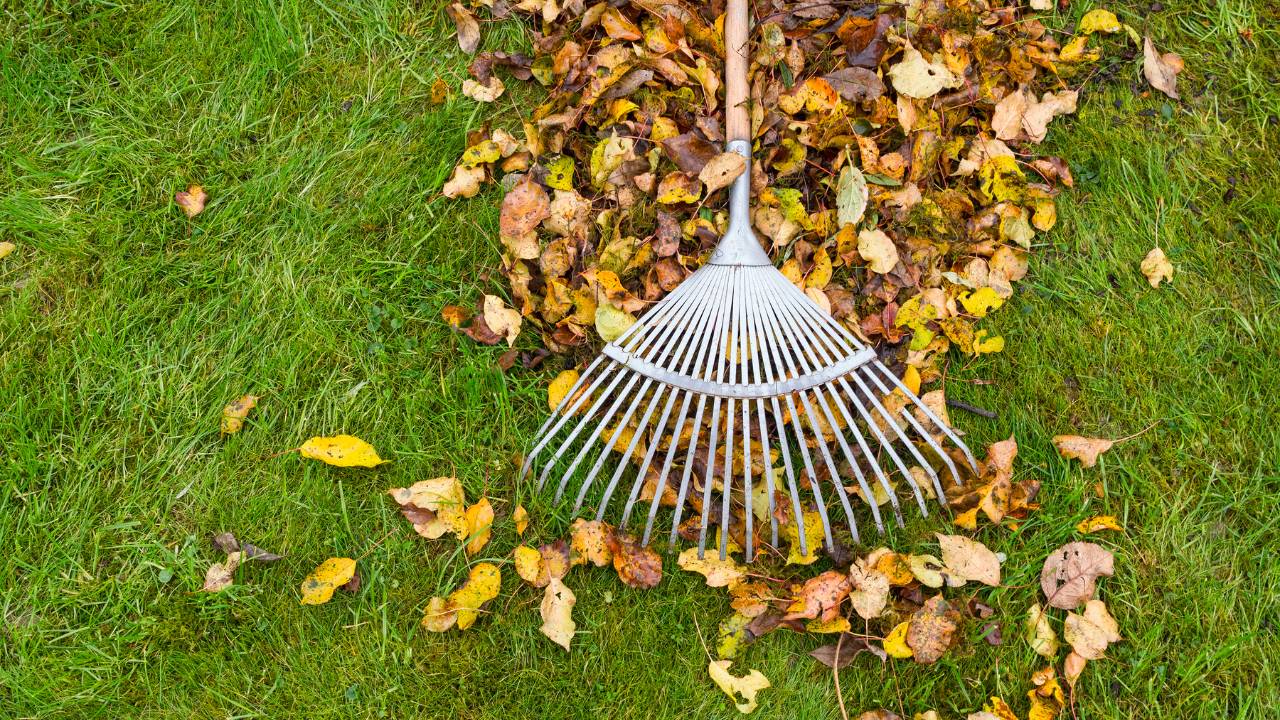
Fallen leaves might look pretty, but they can spell trouble for your lawn if left unmanaged. When leaves pile up, they block sunlight, trap moisture, and prevent air circulation. This can smother your grass, encourage fungal growth, and create bare patches by spring.
Leaf Removal Tips
-
Rake weekly: Especially in heavily wooded areas, frequent raking prevents buildup.
-
Mulch with a mower: If the leaf layer is light, mow over the leaves to shred them into fine pieces. This creates a natural mulch that decomposes and nourishes the soil.
-
Compost collected leaves: Turn leaf litter into nutrient-rich compost for gardens and flower beds.
-
Use efficient tools: A leaf blower or dethatcher speeds up the process for larger yards.
Make It Easier with Yarbo's Smart Leaf Blower Module
If manual raking sounds like a chore, the Yarbo Smart Leaf Blower is the smarter solution. Designed for large and complex courtyards, it autonomously clears leaves, debris, and even light snow. Here’s what sets it apart:
-
Powerful dual turbines clear leaves with ease.
-
Precision control via app and GPS mapping.
-
Modular design: Swap between mower, snow blower, and leaf blower modules as seasons change.
-
Hands-free maintenance: Keeps your lawn leaf-free while you relax.
By incorporating
Yarbo lead blower into your fall lawn care routine if you have a large yard, you not only save time but ensure your lawn stays clean, healthy, and prepped for winter—all without breaking a sweat.
-
Watering Tips for Fall Lawn Care
While cooler temps reduce evaporation, watering is still essential.
-
Water deeply 1–2 times per week.
-
Best time to water: Early morning or after sunset.
-
Avoid watering during mid-day heat.
This keeps roots hydrated while preventing disease caused by excess moisture at night.
-
Managing Weeds Before Frost Hits
Fall is prime time to fight perennial weeds like dandelions and clover.
-
Use a post-emergent herbicide in early fall.
-
Spot-treat weedy areas.
-
Avoid weed control too late into fall, as effectiveness drops.
Healthy, dense lawns naturally resist future weed invasions.
-
Pest and Disease Prevention in Fall
Cooler weather doesn’t mean pests are gone.
Watch for:
Apply preventative treatments and clear lawn debris to minimize issues.
Can Robotic Lawn Mowers Help With Fall Lawn Care?
Absolutely—robotic lawn mowers save time and promote healthier grass even in fall. Devices like Yarbo Lawn Mower Pro offer intelligent mowing patterns and adjust automatically to seasonal needs.
Why Yarbo Lawn Mower Pro Excels in Fall?
-
Cuts consistently even through thick warm-season grasses like Zoysia, St. Augustine, and Bermuda.
-
Adapts height for fall mowing.
-
Handles leaves and small debris without jamming.
-
Operates quietly and efficiently while saving labor hours.
-
Features obstacle avoidance and 24/7 support.
Common Mistakes to Avoid in Fall Lawn Care
 Skip to content