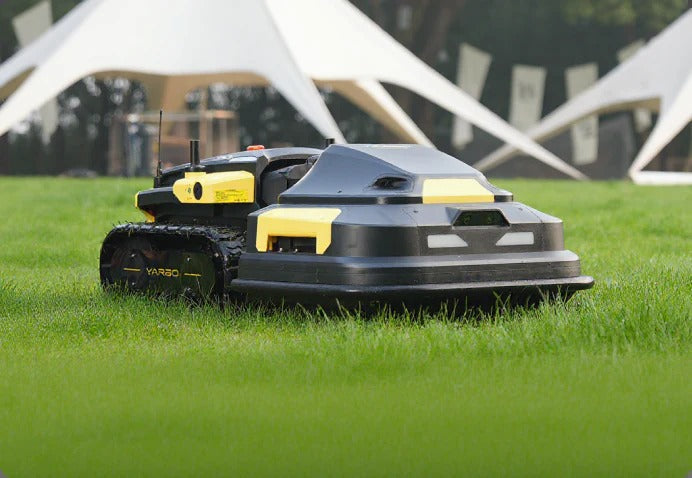
Thinking about ditching your push mower and huge riding mowers for a smarter option?
How do robot lawn mowers work, and do robot lawn mowers work well enough to replace traditional mowing?
This guide breaks down everything you need to know, from lawn mower setup to advanced navigation, efficiency, and maintenance, helping you decide if a robotic mower fits your lawn and lifestyle.
Spoiler: It’s more than just automated mowing—robot lawn mowers, like the Yarbo, redefine yard care while giving you your weekends back.
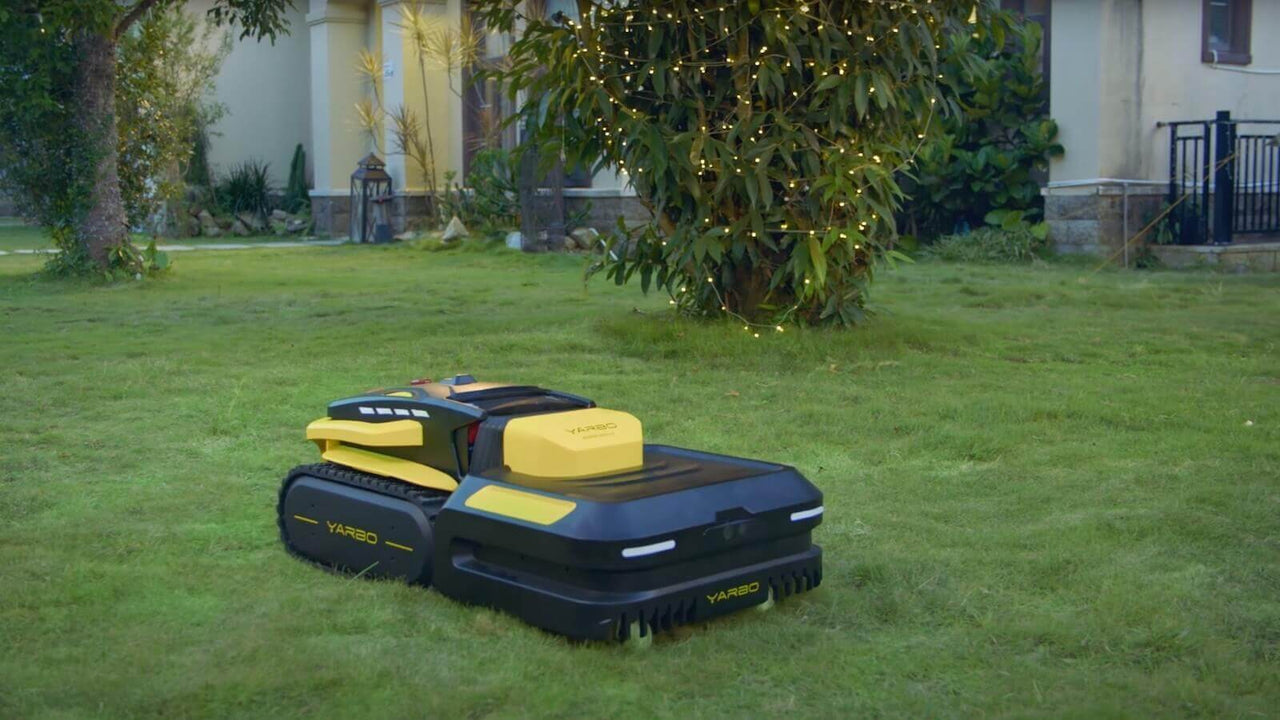
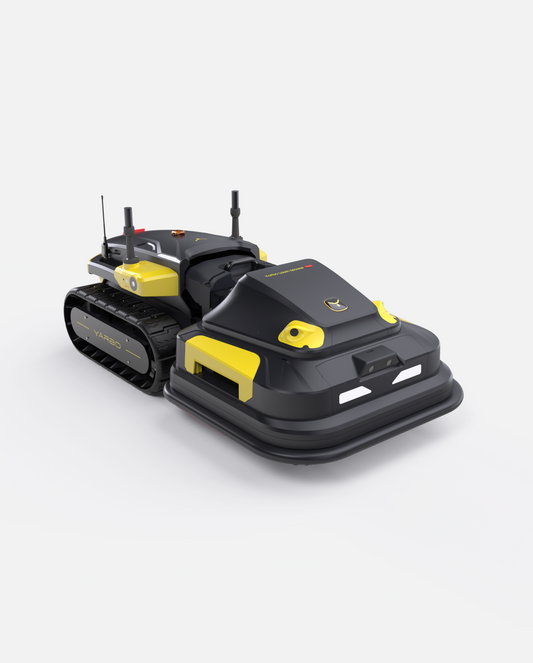
Before understanding how robot lawn mowers work, it helps to define what they are. A robotic lawn mower is an autonomous, battery-powered machine designed to maintain your lawn with little to no manual effort. Using sensors, GPS, and smart software, it operates independently, trimming grass on a regular schedule without supervision.
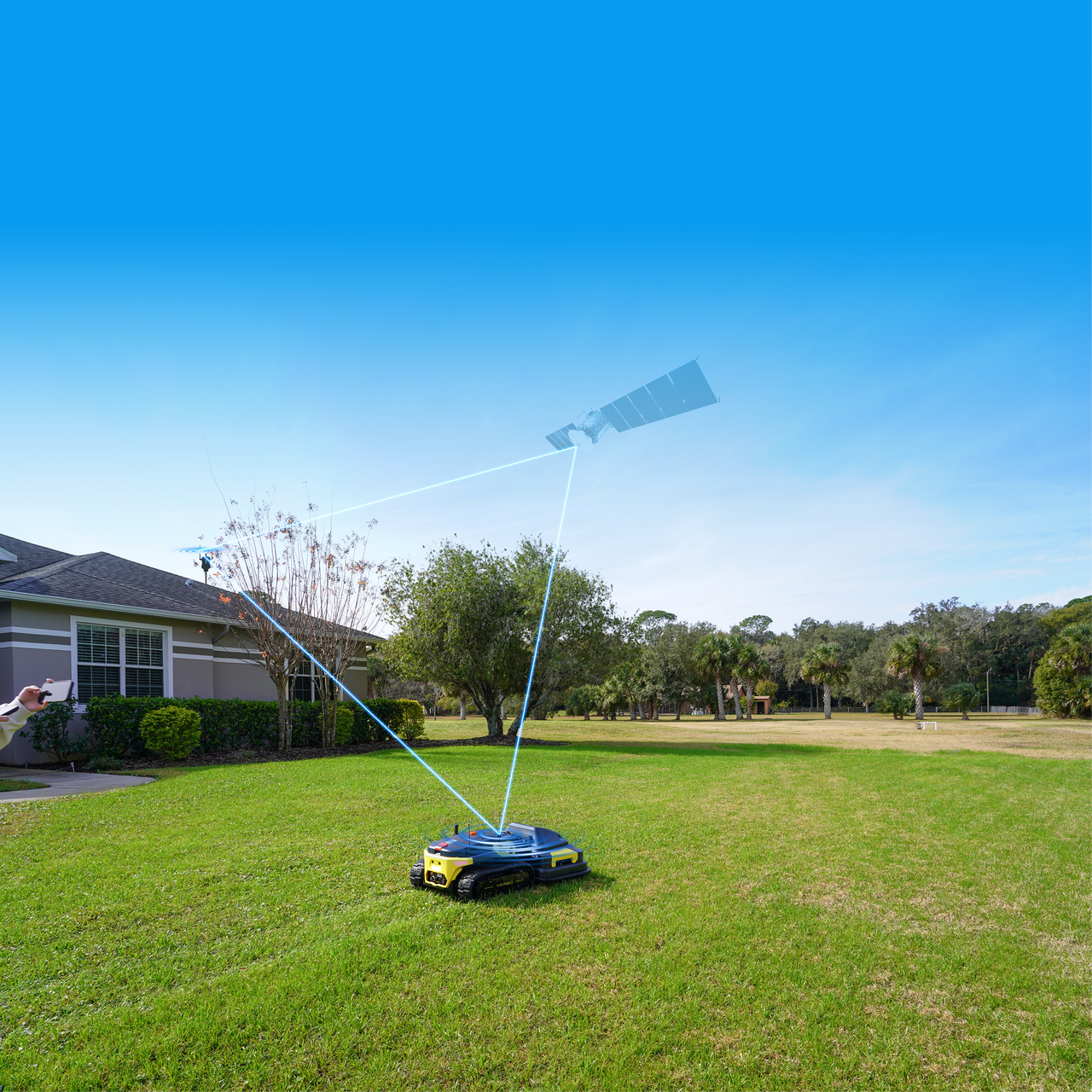
Traditional robotic mowers relied on buried boundary wires to stay within mowing areas. However, next-generation models like Yarbo’s RTK-GPS robotic mowereliminate boundary wires entirely, using centimeter-level satellite positioning to map and navigate lawns accurately.
This shift makes robotic mowers practical not just for small yards, but also for large, complex properties.
The Technology Behind How Do Robot Lawn Mowers Work
So, how do robot lawn mowers work in real-world conditions? It comes down to a combination of mapping, navigation, automation, and smart power management.
Navigation: Sensors + GPS + cameras map your lawn, avoid obstacles, and plan mowing paths.
Operation: Frequent, automatic trimming keeps your lawn tidy and healthy.
Smart Control: Manage everything via an app — set schedules, check progress, and customize mowing zones.
Battery Power: Eco-friendly, rechargeable batteries eliminate gas and oil messes.
Advanced models like Yarbo even use cameras and AI to patrol your yard for extra safety.
So, how do robot lawn mowers operate in practice? After the initial setup and mapping, your robotic mower automatically leaves its docking station according to your scheduled settings. It systematically navigates your lawn using GPS and onboard sensors, adjusting its path to avoid obstacles, pets, or children while trimming your grass with sharp, energy-efficient blades.
Unlike traditional mowers that remove large chunks of grass, robot mowers frequently cut small amounts, leaving fine clippings on the lawn to naturally fertilize your grass. When the battery runs low, the mower automatically returns to its charging dock, recharges, and resumes where it left off, ensuring consistent, even coverage without manual intervention. With advanced models like Yarbo, this process is enhanced with RTK-level precision and AI-powered obstacle recognition, delivering a truly hands-free, smart lawn care experience.
Do Robot Lawn Mowers Work on All Lawns?
A common concern is whether robotic mowers are practical beyond small, flat yards.
The answer is yes—when using advanced models.
High-end robotic mowers can:
Handle slopes and uneven terrain
Navigate complex layouts
Maintain large lawns using GPS-guided paths
RTK-GPS robotic mowers outperform older random-navigation systems by delivering consistent, even coverage, making them suitable for large residential properties and challenging landscapes
Do robot lawn mowers work on all lawns? Advanced mowers handle slopes, complex lawns, and large areas using systematic GPS-guided mowing rather than random navigation for better coverage and efficiency.
Technological Advancements in Robotic Mowers
GPS & RTK: Precise, wire-free navigation.
AI & Cameras: Advanced obstacle and boundary detection.
Smart Home Integration: Control with Alexa, Google Assistant, or the Yarbo app.
Lawn Mower Setup: How to Set Up a Robotic Mower
Setting up your Yarbo Lawn Mower is designed to be effortless and user-friendly, even for first-time users.
Choose the Docking Location
Place the wireless docking station in an open, level area with strong satellite signal access.
Power Up the Docking Station
Ensure it’s connected to a power source and functioning properly before proceeding.
Install the RTK Antenna:
Place the Yarbo RTK base station near your yard.
Connect via the Yarbo App
Open the Yarbo mobile app to begin the guided setup process—no technical skills required.
Map Your Lawn Using RTK Technology
Use the app to initiate RTK-based boundary mapping—no perimeter wires needed.
Define the Working Area:
You need go around with your robot lawn mowers using the app and define the areas your want it to mow, know are the working zones, you can set up up multiple zones as well as the no go zones.
Calibrate and Customize Settings
Adjust the cutting height, mowing schedule, and zones as well as the mowing patterns directly from the app.
Finalize Setup and Test Run
Complete calibration and run a quick test to ensure everything is functioning as expected.
Enjoy Smart, Hands-Free Mowing
With setup complete, Yarbo will take over your lawn care with intelligent navigation and automation.
This lawn mower setup ensures efficient, hands-free mowing aligned with your yard’s needs. Yarbo's 24/7 customer support and after sales customer care team is there to help and guide you each step of the way.
Key Components of a Robotic Lawn Mowers
Power Source
Most robotic lawnmowers run on rechargeable lithium-ion batteries, which provide a quiet and energy-efficient alternative to traditional gas-powered mowers. These batteries typically last 60 to 120 minutes per charge, depending on the model and lawn conditions.
Cutting Mechanism
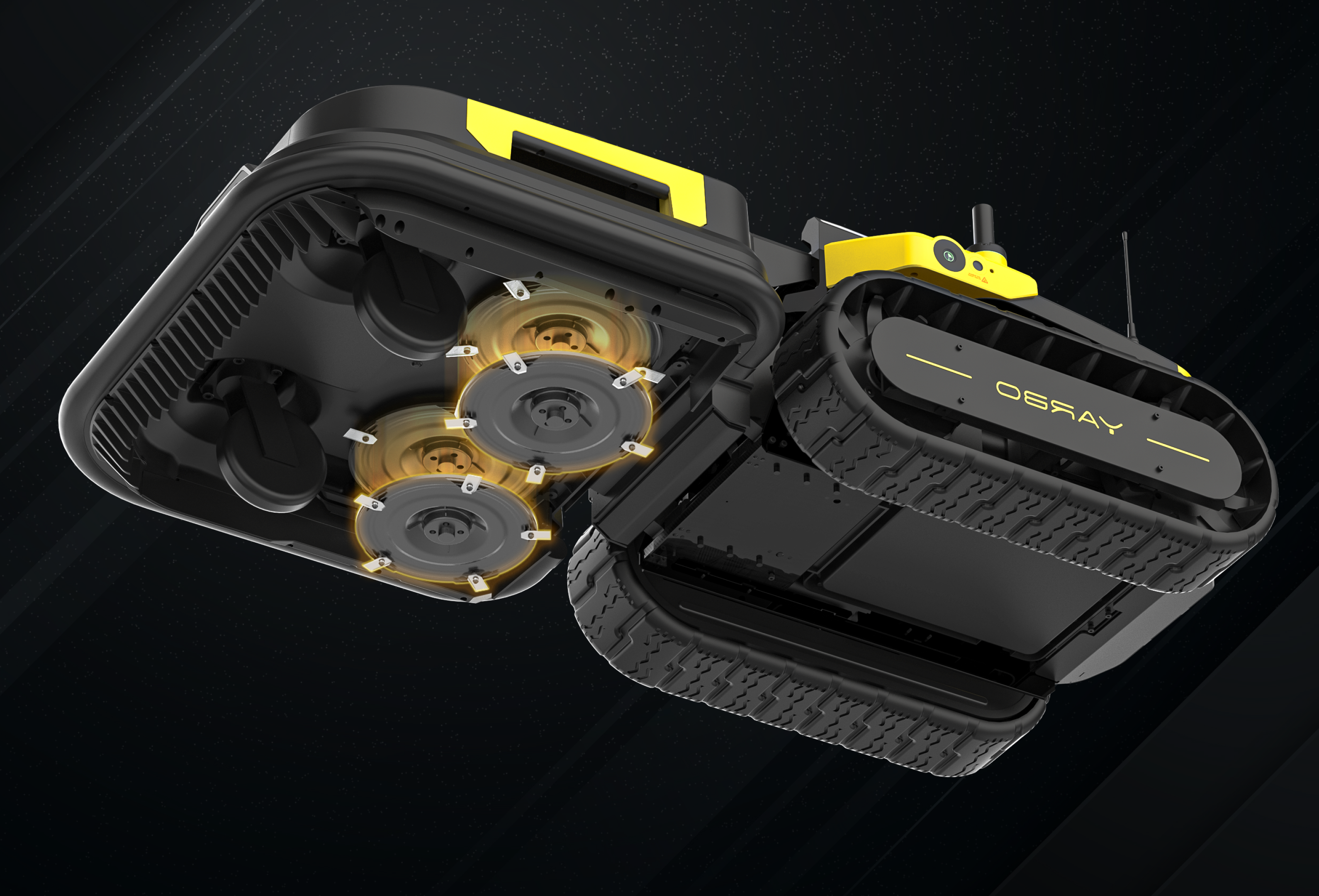
Unlike traditional mowers with large rotary blades, robot mowers use small, high-speed spinning blades or razor-sharp discs.
This allows for a cleaner cut and promotes healthier grass growth through mulching—where tiny grass clippings fall back into the soil as natural fertilizer.
Navigation and Boundary Definition
Robotic mowers rely on different navigation methods to stay within their designated mowing area:
Boundary Wire Navigation: Many models require a physical boundary wire installed around the lawn's perimeter. This wire creates an invisible fence, guiding the mower and preventing it from straying into driveways, flower beds, or neighboring yards.
GPS and RTK Technology: Advanced robotic mowers now use GPS-based mapping, with some incorporating RTK (Real-Time Kinematic) positioning for centimeter-level accuracy—eliminating the need for boundary wires.
Sensors and Safety Features
Robotic mowers are designed with built-in safety features to prevent accidents and ensure smooth operation:
Collision Sensors: Detect obstacles and change direction to avoid hitting them.
Lift and Tilt Sensors: Stop the blades immediately if the mower is lifted or tilted to prevent injury.
Rain Sensors: Some models automatically return to their charging dock when it starts raining to avoid damaging wet grass.
Benefits of Using Robotic Lawn Mowers
Saves Time & Effort: Completely hands-free lawn maintenance. Eco-Friendly: Runs on electricity, producing zero emissions. Healthier Lawn: Frequent mowing encourages thicker, greener grass. Quiet Operation: Much quieter than gas-powered mowers. Smart Features: Can be controlled remotely, scheduled, and monitored via an app.
Cost and ROI Analysis
Category
Price Range
Ideal For
Entry-Level
$800 - $1,500
Small lawns (under ¼ acre)
Mid-Range
$1,500 - $2,500
Medium lawns (¼ - ½ acre)
Premium
$2,500 - $4,000
Large & complex yards (½ acre+)
While the upfront cost is high, homeowners save $600–$1,000 annually on professional lawn services and maintenance. Learn more about the cost of robot lawn mower vs. Manual lawn care.
Tip: If your lawn care expenses exceed $50/month, a robotic mower can pay for itself in 3–5 years.
Conclusion
Robotic lawn mowers are transforming lawn care with advanced navigation, eco-friendly operation, and smart features. Whether you have a small yard or a sprawling lawn, these innovative machines save time while keeping your grass perfectly trimmed.
Do robotic lawn mowers work on uneven terrain?
Yes! Most models handle slopes up to 30-45 degrees, though high-end versions with all-wheel drive tracks can tackle steeper inclines.
Can robotic mowers handle large lawns?
Yes, depending on the model. Some can mower such as Yarbo can mow up to 6 acres using GPS-guided navigation and multiple charging cycles.
Are robotic lawnmowers safe for pets and children?
Absolutely! They come with safety sensors that stop the blades when lifted or when an obstacle is detected.
Do Robot Lawn Mowers work in the rain?
Most robotic mowers have rain sensors and will return to their charging dock if it starts raining. However, some models can operate in light rain.
How much maintenance do robotic mowers require?
Minimal maintenance is needed—just occasional blade replacement, wheel cleaning, and software updates.
Table Of Contents
Share article
Link copied!
Subscribe
Afghanistan+93
Albania+355
Algeria+213
Andorra+376
Angola+244
Antigua and Barbuda+1268
Argentina+54
Armenia+374
Aruba+297
Australia+61
Austria+43
Azerbaijan+994
Bahamas+1242
Bahrain+973
Bangladesh+880
Barbados+1246
Belarus+375
Belgium+32
Belize+501
Benin+229
Bhutan+975
Bolivia+591
Bosnia and Herzegovina+387
Botswana+267
Brazil+55
British Indian Ocean Territory+246
Brunei+673
Bulgaria+359
Burkina Faso+226
Burundi+257
Cambodia+855
Cameroon+237
Canada+1
Cape Verde+238
Caribbean Netherlands+599
Central African Republic+236
Chad+235
Chile+56
China+86
Colombia+57
Comoros+269
Congo+243
Congo+242
Costa Rica+506
Côte d’Ivoire+225
Croatia+385
Cuba+53
Curaçao+599
Cyprus+357
Czech Republic+420
Denmark+45
Djibouti+253
Dominica+1767
Dominican Republic+1
Ecuador+593
Egypt+20
El Salvador+503
Equatorial Guinea+240
Eritrea+291
Estonia+372
Ethiopia+251
Fiji+679
Finland+358
France+33
French Guiana+594
French Polynesia+689
Gabon+241
Gambia+220
Georgia+995
Germany+49
Ghana+233
Greece+30
Grenada+1473
Guadeloupe+590
Guam+1671
Guatemala+502
Guinea+224
Guinea-Bissau+245
Guyana+592
Haiti+509
Honduras+504
Hong Kong+852
Hungary+36
Iceland+354
India+91
Indonesia+62
Iran+98
Iraq+964
Ireland+353
Israel+972
Italy+39
Jamaica+1876
Japan+81
Jordan+962
Kazakhstan+7
Kenya+254
Kiribati+686
Kosovo+383
Kuwait+965
Kyrgyzstan+996
Laos+856
Latvia+371
Lebanon+961
Lesotho+266
Liberia+231
Libya+218
Liechtenstein+423
Lithuania+370
Luxembourg+352
Macau+853
Macedonia+389
Madagascar+261
Malawi+265
Malaysia+60
Maldives+960
Mali+223
Malta+356
Marshall Islands+692
Martinique+596
Mauritania+222
Mauritius+230
Mexico+52
Micronesia+691
Moldova+373
Monaco+377
Mongolia+976
Montenegro+382
Morocco+212
Mozambique+258
Myanmar+95
Namibia+264
Nauru+674
Nepal+977
Netherlands+31
New Caledonia+687
New Zealand+64
Nicaragua+505
Niger+227
Nigeria+234
North Korea+850
Norway+47
Oman+968
Pakistan+92
Palau+680
Palestine+970
Panama+507
Papua New Guinea+675
Paraguay+595
Peru+51
Philippines+63
Poland+48
Portugal+351
Puerto Rico+1
Qatar+974
Réunion+262
Romania+40
Russia+7
Rwanda+250
Saint Kitts and Nevis+1869
Saint Lucia+1758
Saint Vincent and the Grenadines+1784
Samoa+685
San Marino+378
São Tomé and Príncipe+239
Saudi Arabia+966
Senegal+221
Serbia+381
Seychelles+248
Sierra Leone+232
Singapore+65
Slovakia+421
Slovenia+386
Solomon Islands+677
Somalia+252
South Africa+27
South Korea+82
South Sudan+211
Spain+34
Sri Lanka+94
Sudan+249
Suriname+597
Swaziland+268
Sweden+46
Switzerland+41
Syria+963
Taiwan+886
Tajikistan+992
Tanzania+255
Thailand+66
Timor-Leste+670
Togo+228
Tonga+676
Trinidad and Tobago+1868
Tunisia+216
Turkey+90
Turkmenistan+993
Tuvalu+688
Uganda+256
Ukraine+380
United Arab Emirates+971
United Kingdom+44
United States+1
Uruguay+598
Uzbekistan+998
Vanuatu+678
Vatican City+39
Venezuela+58
Vietnam+84
Yemen+967
Zambia+260
Zimbabwe+263
I understand the Privacy Policy and agree to receive personalized messages from Yarbo by email or SMS.
You have successfully subscribed!!
Check your welcome email for exclusive discounts.
Email Check Needed
We are unable to verify your email address.
Please check if the email
is correct.
 Skip to content