Table Of Contents
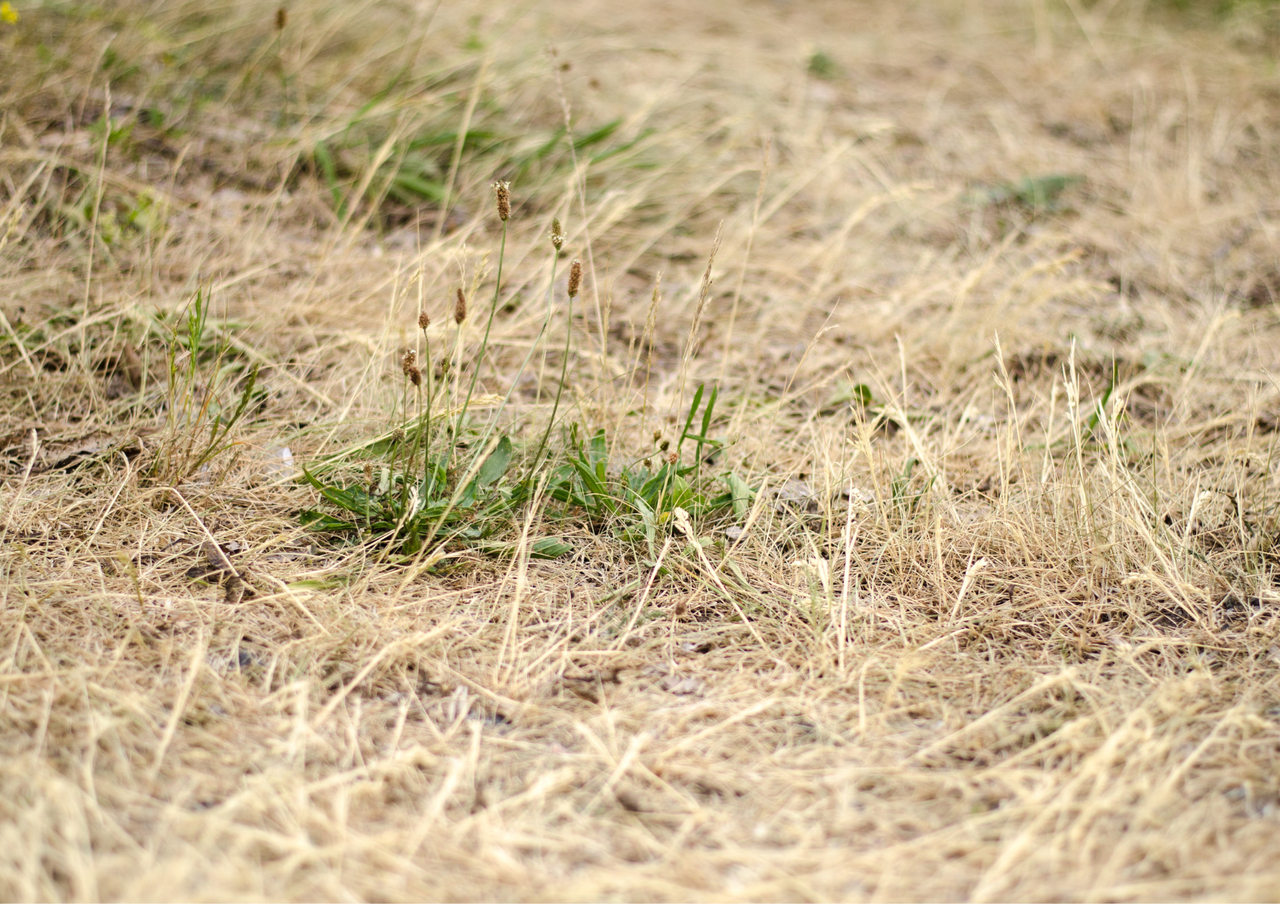
Why Grass Dies: Dormant vs. Dead?
Dormant Grass
-
Semi-brown, but roots intact
-
Crowns (near soil surface) look firm and whitish
-
Will green back when conditions improve
Dead Grass
-
Brown, dry, brittle
-
Roots shriveled or nonexistent
-
No potential for regrowth — must reseed or sod
What Causes Dead Grass in Lawns?
-
Soil Compaction & Thatch — When soil is dense or layered with dead organic buildup, roots can’t breathe.
-
Diseases & Fungi — Diseases like necrotic ring spot or dollar spot attack grass crowns and roots.
-
Pests & Grubs — White grubs eat roots underground, causing patches that peel up like carpet.
-
Drought & Heat Stress — Extended dry spells strip moisture faster than your lawn can recover.
-
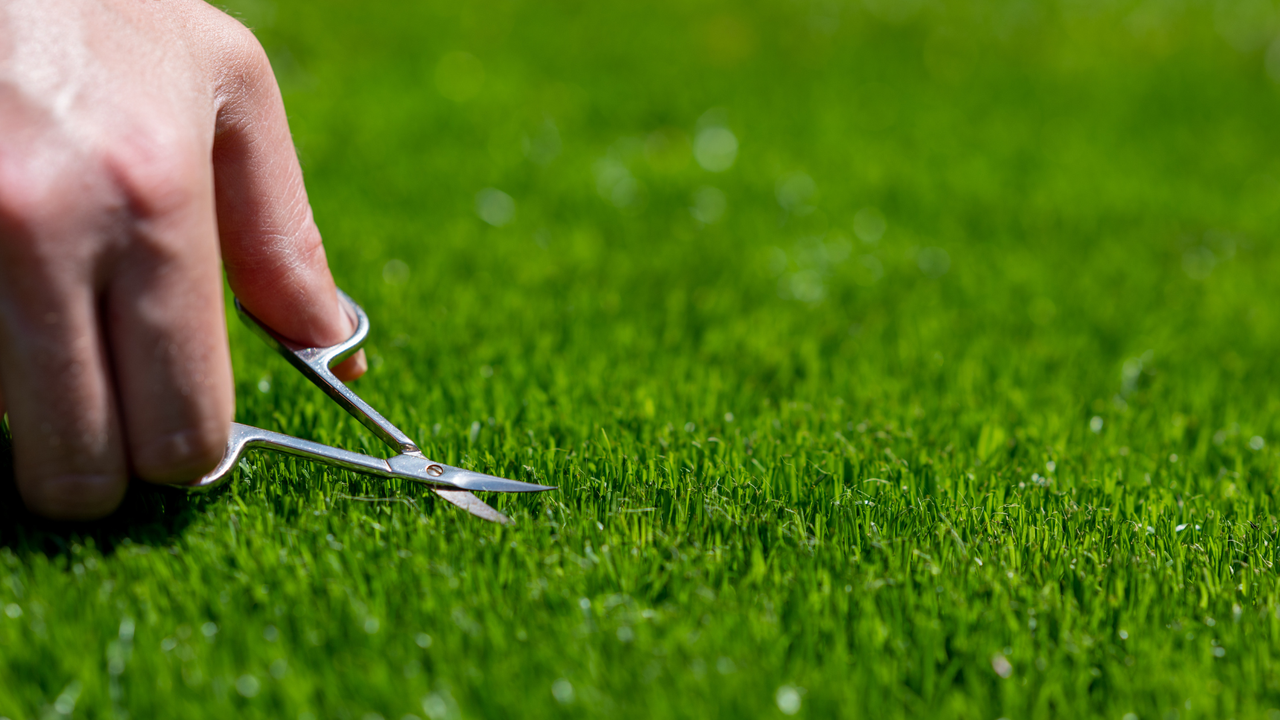
Mowing Mistakes — Scalping (cutting too short) or dull mower blades stress and kill grass.
-
Soil Nutrient Imbalance / pH Issues — If your soil is too acidic/alkaline, nutrients can’t absorb properly.
When & Why to Remove Dead Grass?
-
Better seed-to-soil contact
-
Improved air & water flow
-
Faster rooting for new grass
-
Clear view of soil problems
Tools & Materials You’ll Need
| Purpose | Tool / Material | Notes |
| Remove dead turf/thatch | Dethatching rake, power dethatcher, sod cutter | Use manual for small yards, mechanical for large |
| Loosen soil | Core aerator, spike aerator, tiller | Core preferred vs. simple spiking |
| Amend soil | Compost, topsoil, gypsum, lime | Based on soil test |
| Seed / Sod | High-quality grass seed, patch mix, fresh sod | Match to climate / region |
| Fertilizer | Starter fertilizer, slow-release blend | Balanced N-P-K, micronutrients |
| Watering | Sprinklers, hose, irrigation controller | Follow a schedule for watering or use a smart irrigation system to water your lawn. |
| Measuring | Tape, soil probe, pH meter | For area, depth, consistency |
How to Remove Dead Grass from Lawn Manually?
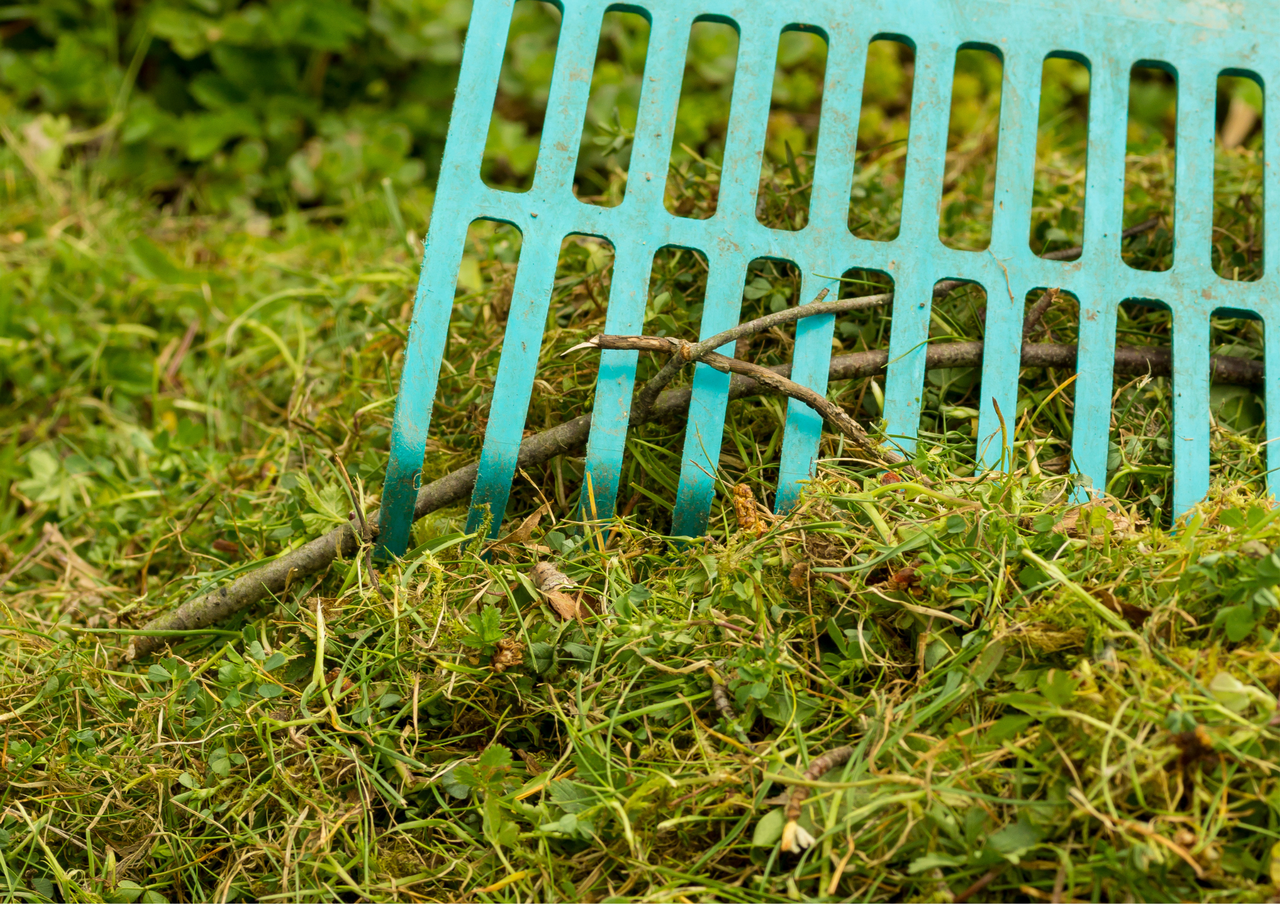
Step 1: Remove the Dead Grass (Raking, Dethatching, Sod Removal)
Step 2: Soil Loosening & Aeration
-
Core aeration: Remove small plugs about 2–3″ deep.
-
Spike or tine aerators: Simpler, but less effective in compacted zones.
-
Tilling (for extreme cases): Rotate the top 2–4 inches, especially when establishing sod. This is recommended by This Old House in serious rejuvenation tasks.
Step 3: Soil Test & Amendments
-
pH (acidic or alkaline)
-
Nutrient levels (N, P, K, micronutrients)
-
Organic matter content
-
Lime or sulfur to adjust pH
-
Compost / topsoil to improve structure
-
Gypsum (for clay soils) to reduce compaction
Step 4: Seeding or Sod
-
Seed is cheaper and effective for smaller patches
-
Sod gives instant cover and uniform results
-
Use a patch mix matched to your grass type
-
For large dead zones, full sod replacement may be more effective
-
Lightly rake seed into soil
-
Use recommended seed rates (e.g. 4–6 lbs per 1,000 sq ft)
-
Cover with a fine layer (¼ inch) of soil or compost
-
Lay sod in a brick-like, staggered pattern
-
Butt edges tightly
-
Press lightly into soil to eliminate air gaps
Step 5: Watering & Initial Care
-
Water lightly and frequently to keep topsoil moist (but not soggy)
-
After 10–14 days, reduce frequency but increase depth
-
Avoid watering midday to minimize evaporation
Step 6: Fertilize & Feed
-
Apply a starter fertilizer with phosphorus to support root growth
-
Then switch to a balanced or slow-release fertilizer schedule
Step 7: Prevent Future Die-Off
-
Mow at proper height, never more than one-third of blade
-
Aerate annually (core preferred)
-
Dethatch if buildup over ½ inch
-
Monitor pests, grubs, and fungal diseases
-
Overseed thin spots yearly
-
Apply pre-emergent weed control (at safe times)
Quick Recovery Timeline & What to Expect
| Week | What You’ll See / Do | Notes |
| Week 1 | Seed germinates, surface looks rough | Be patient; avoid foot traffic |
| Week 2–3 | Grass blades appear, cover ~30–50% | Continue light watering |
| Week 4–6 | Thicker coverage, mow first time | Use sharp blade, mow high |
| Month 2–3 | Fuller turf, deeper roots | Begin regular maintenance |
| Month 4+ | Lawn approaching full recovery | Monitor, feed, prevent stress |
Best Way to Revive Dead Grass
-
Reseed bald spots using quality grass seed.
-
Topdress with compost or loamy soil to enrich the area.
-
Water deeply but not too frequently — roots need oxygen too!
-
Apply a starter fertilizer to boost early growth.
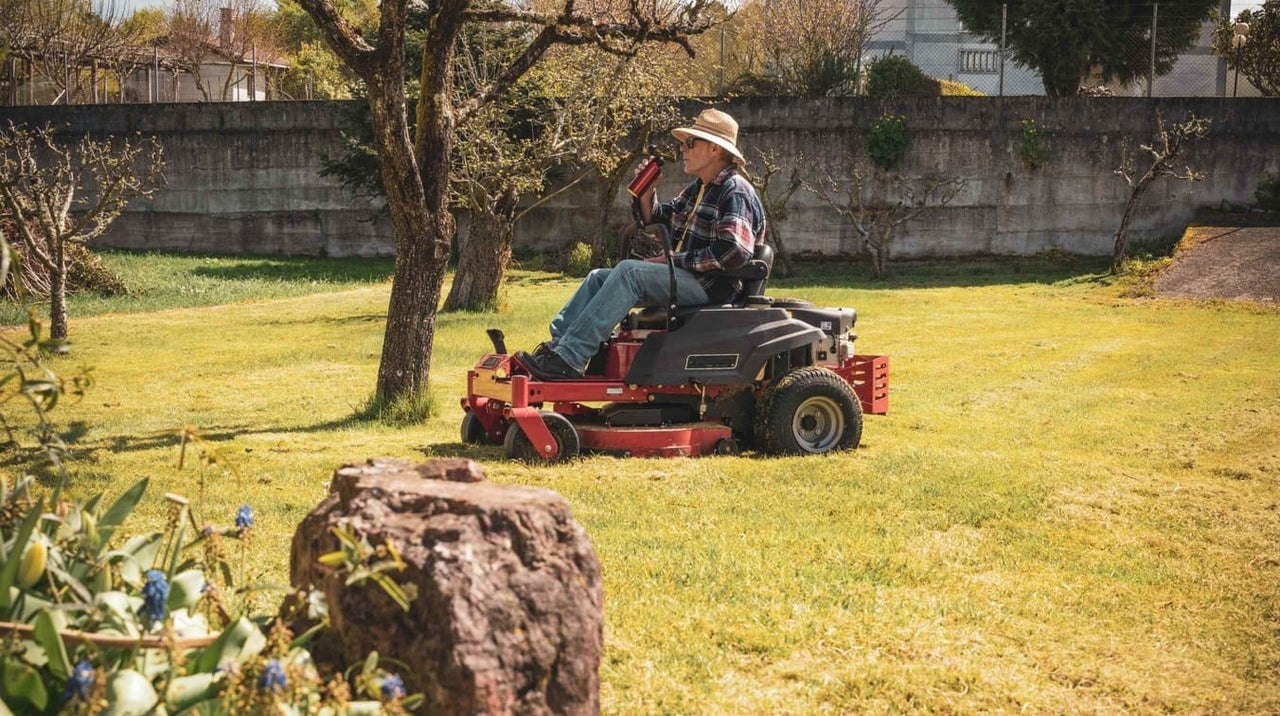
Can a Lawn Mower Remove Dead Grass?
When Is the Best Time to Treat Dead Grass?
-
Spring: Ideal for cool-season grasses.
-
Early Fall: Best for reseeding and root development.
DIY Remedies to Bring Grass Back to Life
-
Epsom salts: Sprinkle lightly to restore magnesium content in the soil, which is crucial for chlorophyll production and greener, more vibrant grass. It also helps strengthen the grassroots and improves overall nutrient absorption.
-
Compost tea: Soak compost in water and spray on grass, which helps boost beneficial microbes, improving soil structure, and enhancing nutrient availability to promote healthy grass growth.
-
Molasses: A light coat can feed soil microbes and boost microbial activity, leading to better soil fertility and stronger grass development over time.
Tips to Prevent Grass from Dying Again
-
Avoid mowing too short (scalping)
-
Fertilize at the right time of year
-
Water early in the morning
-
Lawn Aerate once or twice a year
Common Mistakes to Avoid During Lawn Repair
-
Using cheap or the wrong type of seed
-
Overwatering or underwatering
-
Fertilizing during heatwaves
-
Mowing too soon after seeding
How Long Does It Take to Revive Dead Grass?
-
2-4 weeks for visible improvement
-
6-8 weeks for full coverage
-
2-3 months for deep root development


Private group · 33.0K members