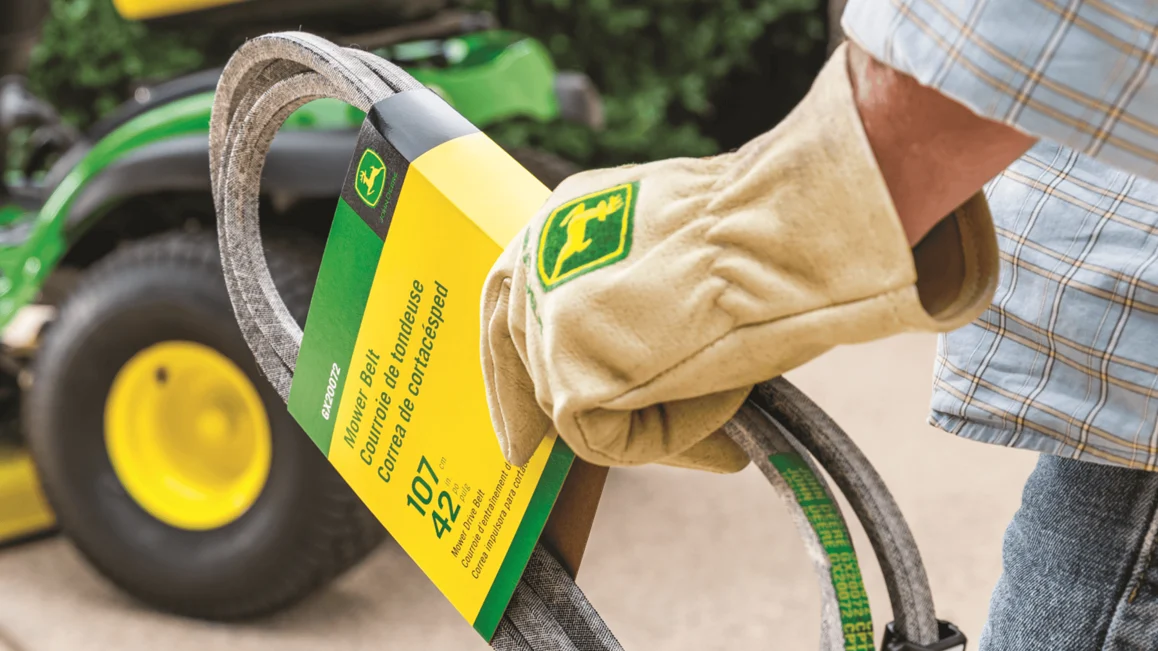
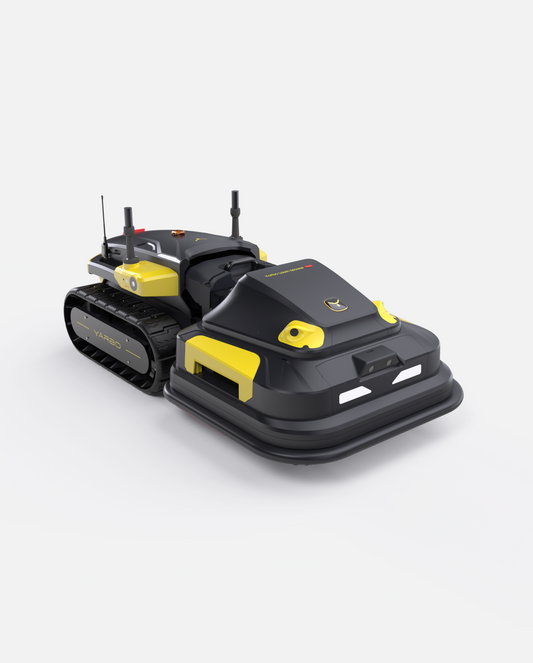
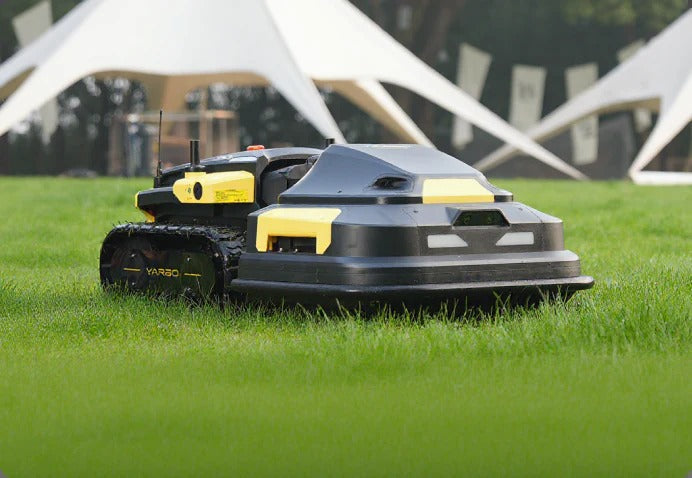
Lawn mower belts play a crucial role in ensuring your mower blades spin effectively, delivering a clean and even cut. Without a properly functioning belt, the mower’s blades won’t engage, leaving your lawn uncut and your machine ineffective. The good news?
Lawn mower belt replacement is a relatively simple process that can save you both time and money if done correctly.
In this article, you’ll learn step-by-step how to replace your lawn mower belts, the tools required, safety measures, and why robot mowers like Yarbo offer a belt-free future.
Table of Contents:
Signs Your Lawn Mower Belts Need Replacement
Common Symptoms of Worn Belts
Lawn mower belts endure heavy stress, which leads to wear and tear. You’ll know it’s time to consider lawn mower belt replacement if you notice:
-
Cracking or fraying along the edges
-
Squealing noises during mowing
-
Slipping or loose blade engagement
-
Uneven or patchy grass cutting
How Long Does a Lawn Mower Belt Last?
On average, a well-maintained belt lasts 2–3 years. However, usage frequency, mowing tall grass, or hitting debris can shorten its lifespan. Regular inspections before each mowing season can help you catch issues early.
Tools You’ll Need for Lawn Mower Belts Replacement
Before starting the replacement process, gather the following tools. Having the right equipment on hand ensures the job is smoother, safer, and more efficient.
-
Socket wrench or adjustable wrench
-
Screwdriver set
-
Work gloves and safety glasses
-
Purpose: Gloves protect your hands from cuts, sharp edges, and greasy parts, while safety glasses shield your eyes from dirt, rust flakes, or flying debris.
-
Replacement lawn mower belt (specific to your model)
-
Flathead pry tool (if needed for tensioners)
Step-by-Step Guide: How to Replace Lawn Mower Belts?
Step 1: Prepare Your Mower Safely
-
Disconnect the spark plug wire to prevent accidental starts.
-
Place the mower on a flat surface and engage the parking brake.
-
For riding mowers, consider using jack stands for stability.
Step 2: Locate the Lawn Mower Belt
Consult your mower’s manual to find the belt’s path. Typically, it connects the engine pulley to the blade pulleys.
Step 3: Remove the Old Belt
-
Release tension from the idler pulley using your wrench.
-
Slide the worn belt off carefully.
-
Inspect pulleys for damage before proceeding.
Step 4: Install the New Lawn Mower Belt
-
Route the new belt according to your mower’s diagram.
-
Ensure proper alignment on each pulley.
-
Reapply tension by securing the idler pulley.
Step 5: Reassemble and Test Your Mower
-
Reattach any guards or covers removed.
-
Reconnect the spark plug wire.
-
Test the mower to ensure smooth operation and blade engagement.
Pro Tips to Extend the Life of Lawn Mower Belts
A well-maintained mower belt ensures smooth performance, prevents unexpected breakdowns, and saves money on repairs. Here are some pro tips—along with the principles behind why they work.
-
Keep the mower deck clean to avoid debris buildup
-
Why it works: Grass clippings, dirt, and debris can get stuck around pulleys and the belt path. This buildup increases friction and heat, which accelerates wear and can even cause the belt to slip or snap prematurely. A clean deck keeps the belt running smoothly.
-
Don’t mow excessively tall or wet grass
-
Why it works: Cutting tall or damp grass requires the mower blades to work harder, creating extra resistance. This added strain transfers directly to the belt, stretching it over time and increasing the risk of cracks or breaks. Mowing under optimal conditions reduces stress on the belt.
-
Store your mower in a dry space to prevent belt deterioration
-
Why it works: Rubber belts are sensitive to moisture and temperature fluctuations. Exposure to dampness can cause the belt to dry rot, crack, or weaken. Keeping your mower in a cool, dry storage area preserves the belt’s flexibility and strength.
-
Perform seasonal inspections before peak mowing season
-
Why it works: Belts naturally degrade with use. Checking for fraying, cracks, or looseness before heavy mowing months ensures you catch problems early. Preventive replacement is far less costly than dealing with a belt snapping mid-mow.
Lawn Mower Belt Replacement Costs Explained
Factoring in long-term maintenance costs is essential when choosing between DIY and professional service for lawn mower belts replacement.
Maintenance Mistakes That Shorten Lawn Mower Belts Life
Even with regular use, many belts fail earlier than expected simply because of improper care. Avoiding the following mistakes and following a few
maintenance tips can help you extend the life of your lawn mower belt and keep your machine performing at its best:
-
Ignoring debris around pulleys
-
Using non-compatible belts
-
Over-tightening or under-tightening belts
-
Failing to replace worn pulleys
Safety Precautions During Lawn Mower Belts Replacement
Safety should always come first when working with lawn equipment. By following these basic precautions, you can prevent accidents and ensure a smooth replacement process:
-
Always disconnect the spark plug before starting work
-
Wear gloves to avoid cuts from sharp edges
-
Use proper lifting tools for riding mowers
-
Double-check belt alignment before testing
DIY vs Professional Lawn Mower Belt Replacement
DIY is ideal for handy homeowners who want to save money. However, if your mower is under warranty or if you lack confidence, professional service ensures proper installation and avoids accidental damage.
Yarbo Robot Lawn Mower: The Future Without Belts
One of the biggest advantages of
Yarbo’s robot lawn mower is that it completely eliminates the need for belts. Traditional lawn mowers rely on belts to transfer power from the engine to the blades, but over time these belts stretch, crack, or slip. This not only leads to uneven cuts and frustration but also requires regular maintenance and replacement, which adds to the overall cost of ownership.
With Yarbo, there are no belts to worry about—ever. Its direct-drive system ensures consistent performance without the weak link of a belt. That means no downtime due to worn-out parts, no sudden breakdowns in the middle of mowing, and no extra trips to the repair shop. By removing belts from the equation entirely, Yarbo provides homeowners with peace of mind and a truly low-maintenance mowing experience.
Smart Features of Yarbo Robot Mower
Yarbo isn’t just about eliminating belts—it’s about reimagining lawn care with cutting-edge technology. Here are some of its standout features that make it a future-ready investment:
-
Autonomous mowing powered by AI navigation – Yarbo uses advanced sensors and AI-driven navigation to map your yard, avoid obstacles, and mow with precision. No manual pushing, guiding, or monitoring is required.

-
Modular design for all-season yard care – Unlike single-purpose machines, Yarbo is modular. With interchangeable attachments, it transforms from a robot mower in summer to a snow blower in winter or a leaf blower in fall, making it a year-round solution.
-
Smartphone control for scheduling and monitoring – Through the Yarbo mobile app, users can set mowing schedules, track real-time progress, and adjust settings remotely. Whether you’re at work or on vacation, Yarbo keeps your yard looking its best.
-
Weather adaptability and durability – Rain sensors and all-weather adaptability ensure Yarbo adjusts to changing conditions. Unlike belt-driven mowers that wear faster in damp or dusty environments, Yarbo is designed to withstand seasonal challenges with minimal upkeep and can operate between –13°F to +140°F, which converts to –25°C to +60°C.
Together, these features showcase how Yarbo goes beyond simple mowing—it creates a seamless, automated, and worry-free yard care experience.
Comparing Traditional Belt Mowers vs Yarbo
 Skip to content