This ensures consistent snow removal even when faced with hidden hazards like curbs or uneven ice ridges.
Power and Control Systems for Consistent Operation
How Torque and Motor Control Affect Performance
A robot’s ability to generate consistent torque is key for movement on rough terrain. High-torque motors give the snow robot enough power to push through deep snow without losing traction. Intelligent motor control systems distribute energy across both tracks or wheels to balance movement.
Energy Efficiency on Uneven Terrain
While power is critical, energy efficiency is equally important. Smart snow robots use algorithms that regulate energy output based on resistance levels — ensuring maximum performance while preserving battery life.
This balance of strength and efficiency makes them reliable for long, heavy-duty clearing sessions.
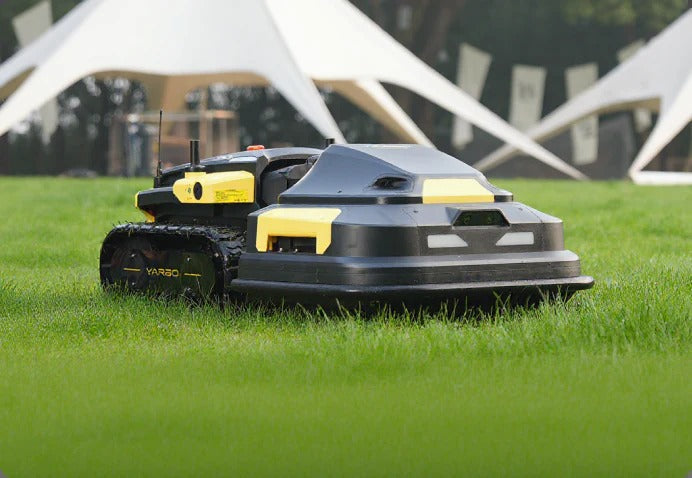
How Yarbo’s Snow Robot Excels on Rough Surfaces?
-
Specialized Traction for Severe Slopes and Ice
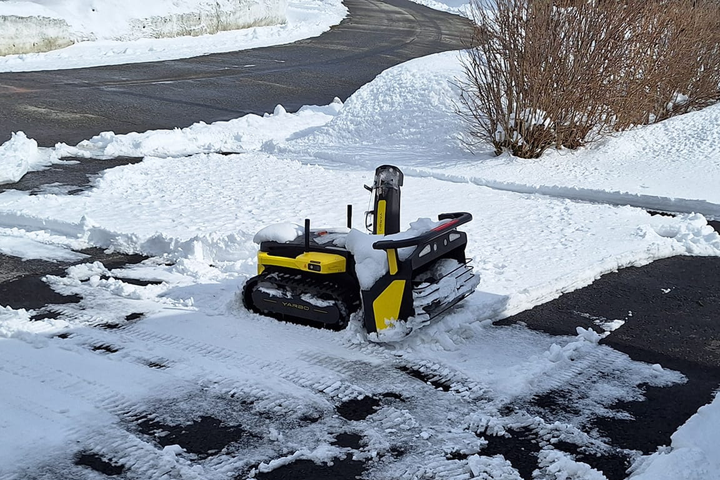
Yarbo replaces standard wheels with high-traction rubber tracks engineered for superior grip and climbing ability in harsh conditions.
-
Conquering 36% Grades: Yarbo utilizes this track system alongside specialized algorithms to achieve total stability on steep driveways and slopes up to a 36% grade (approximately 21°).
-
Slope Pattern Algorithm: Stability on steep lanes is further maintained by the proprietary Slope Adaptation Algorithm, which optimizes angles and enhances grip to reduce slippage.
-
Cold-Weather Ready Tracks: The tracks distribute weight over a larger surface area, preventing the robot from sinking into soft snow. The system is built for extreme cold, operating down to $-25^\circ C$ (-13℃).
-
Intelligence for Real-Time Adaptability and Self-Rescue
Yarbo’s stability is guaranteed not just by mechanics, but by an advanced sensory and navigation framework that acts as the robot’s "eyes and ears".
-
PPVS Navigation System: Yarbo uses the PPVS navigation system combined with its intelligent perception technology, including bionic binocular vision and bumper sensors, to provide high-precision environmental awareness.
-
Slippage Detection and Self-Rescue: The device uses VIO (Visual Odometry) and IMU (Inertial Measurement Unit) sensors to constantly detect changes in tilt, angle, and acceleration. If track slippage or jamming occurs a common challenge in wet or hard snow—the system immediately executes a self-rescue algorithm (escape logic), returning to the last known coordinate point to retry clearing.
-
Torque and Mode Optimization: Based on real-time conditions, Yarbo automatically deploys specific algorithms for slope management and utilizes intelligent motor control to balance movement and generate consistent torque, ensuring it pushes through deep snow effectively.
-
Clearing Diverse and Uneven Surfaces
Yarbo is designed to transition smoothly between multiple surface types, including asphalt, concrete, and complex terrains like gravel.
-
Gravel Driveways: For gravel driveways or grass surfaces, users can adjust the snow blower module's clearing height, allowing a maximum ground clearance of up to 2 inches. This height customization minimizes disturbance to the gravel or turf below.
-
Adjustable Skid Shoes: The system features Adjustable Auger & Skid Shoes that protect the chassis and ground while helping the machine glide smoothly over rough and uneven pavement.
-
Two-Stage Snow Clearing: Its powerful Two-Stage system breaks up and throws snow efficiently, handling heavy wet snow and icy sludge, which are often the primary causes of track slippage and machine stalling.
Maintenance and Care Tips for Snow Robots on Rough Terrain
Recommended Usage and Limitations
To ensure optimal performance, it’s recommended that users clear snow as soon as accumulation begins, rather than waiting until it exceeds 10 cm (around 4 inches). This helps the snow robot maintain traction and efficiency while reducing strain on its tracks and power system.
However, like all snow-clearing equipment, snow robots have certain limitations. They may encounter difficulty handling wet and heavy snow, especially after rain or when snow is dense and moist. In such conditions, slippery tracks or increased resistance can make forward movement challenging. With Yarbo, the push shovel module can be used in advance in wet snow conditions to improve clearing efficiency.
By operating the snow robot early and regularly during snowfall, users can prevent these issues and ensure smooth, stable operation throughout the season.
Keeping Tracks Clean and Functional
Regular cleaning prevents snow buildup that could reduce traction. After each use, ensure the all terrain tires in snow are free from ice or debris.
Seasonal Checks for Sensors and Power Systems
Before heavy use, inspect sensors for visibility and ensure battery performance remains optimal. Keeping firmware updated ensures your snow robot operates at peak efficiency on any surface.
Conclusion
As winters grow harsher and terrains more unpredictable,
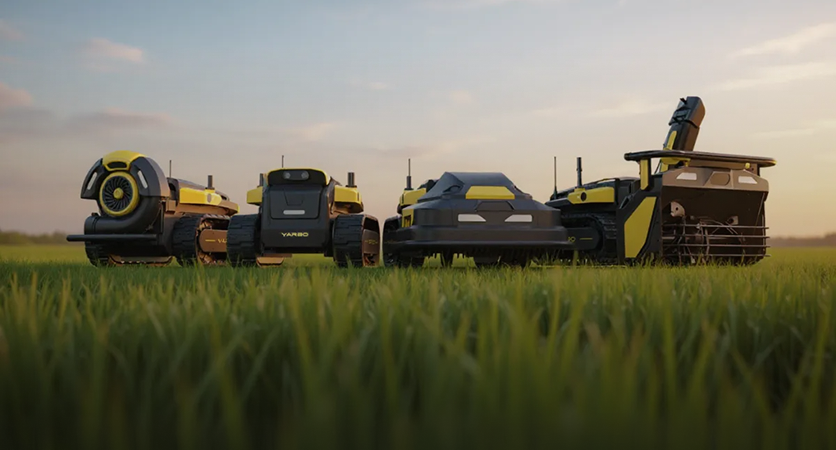
snow robots are redefining how we approach snow removal. Their combination of intelligent design, advanced sensor systems, and powerful all-terrain traction ensures safe and stable operation even on the toughest surfaces.
Brands like Yarbo lead the innovation curve, integrating user feedback into design upgrades that make each season easier, safer, and more efficient for homeowners everywhere.
FAQs
-
Can a snow robot work efficiently on sloped driveways?
Yarbo's specific claims: rubber tracks combined with the Slope Pattern algorithm to conquer 36% (21°) slopes.
-
How do tracks improve stability compared to wheels?
Tracks distribute weight evenly, reducing the chance of slippage and allowing the robot to stay grounded on uneven or icy surfaces.
-
Are all-terrain tires suitable for deep snow?
Yes. They’re designed with deep treads and cold-resistant rubber compounds to maintain flexibility and grip even in extreme cold.
-
Does a snow robot require manual supervision on rough terrain?
No. Most snow robots, including Yarbo’s, use smart navigation systems that detect and adjust automatically to surface changes.
-
How often should I maintain a snow robot used on rough ground? Clean after each session and conduct monthly system checks during heavy snow seasons for optimal performance.
-
Can Yarbo’s snow robot handle mixed terrain (gravel, asphalt, and concrete)?
Absolutely. Its modular design and adaptive drive system allow it to transition smoothly between multiple surface types.
 Skip to content