Table Of Contents
Fertilizing after mowing can be beneficial, but only if you follow the right techniques. Otherwise, you risk burning the grass, wasting fertilizer, or even encouraging weed growth.
Table of Contents
Why Fertilizing Your Lawn Matters?
The Role of Nutrients in Lawn Health
Common Signs Your Lawn Needs Fertilization
-
Yellowing or pale green grass
-
Slow growth even during peak season
-
Thinning grass and bare patches
-
Increased weed or moss presence
Can You Fertilize Right After Mowing?
The Science Behind Fertilizing Post-Mowing
Pros and Cons of Fertilizing Immediately After Mowing
-
Nutrients reach the soil faster without excess thatch in the way
-
Freshly trimmed lawn allows even distribution
-
Can sync with your existing lawn care routine
-
Risk of fertilizer burn if applied in hot weather
-
Moisture loss from fresh cuts can cause stress
-
If clippings remain, they can block fertilizer from reaching soil
How Long to Wait After Fertilizing Lawn to Mow?
| Fertilizer Type | Recommended Wait Before Mowing |
| Granular slow-release | 24–48 hours after watering in |
| Granular quick-release | 24 hours after watering in |
| Liquid fertilizer | 2–4 hours (or until completely dry) |
How Mowing Too Soon Can Harm Your Lawn?
-
Knock off granules before they dissolve
-
Cause uneven nutrient absorption
-
Stress grass already adjusting to fertilization
Step-by-Step Guide: Fertilize Lawn After Mowing the Right Way
-
Preparation: Tools and Safety Gear
-
Lawn mower with sharp blades, such as Yarbo's lawn mower blades
-
Fertilizer spreader
-
Gloves and protective eyewear
-
Garden hose or sprinkler system
-
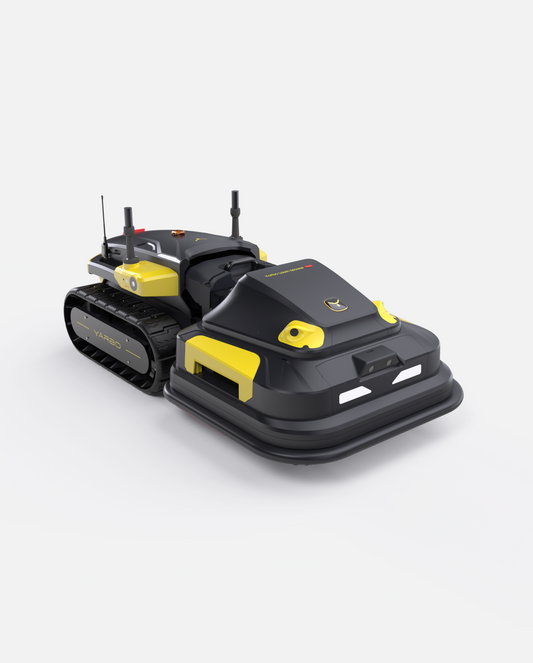
Optional but game-changing: Yarbo Smart Yard Robot — With Yarbo’s modular system, you can automate mowing, leaf blowing, and even snow clearing, freeing up time and energy so you can focus solely on fertilization.

-
Best Practices for Applying Fertilizer Post-Mowing
-
Mow the lawn at the recommended height for your grass type
-
Remove excessive clippings
-
Apply fertilizer evenly in a crisscross pattern
-
Follow the recommended spreader settings on the bag
-
Watering Your Lawn After Fertilization
-
Most fertilizers require “watering in” immediately after application
-
For liquid fertilizers, ensure leaves dry before watering to avoid washing away nutrients
Choosing the Right Fertilizer for Your Lawn
Granular vs. Liquid Fertilizers
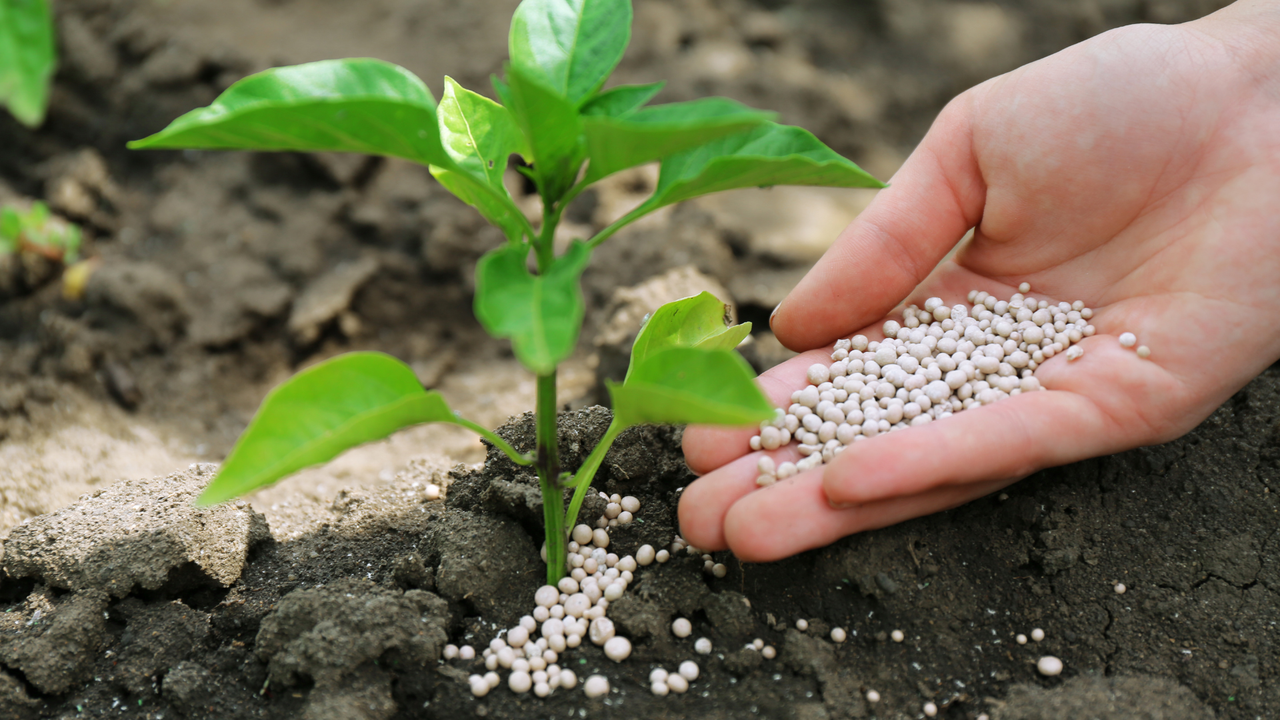
Granular fertilizers come in small pellets or prills that are spread evenly across your lawn. They are favored by many homeowners because they release nutrients slowly over time, providing a steady supply of food for your grass.
Slow-release versions can feed your lawn for up to 8–12 weeks, making them ideal if you prefer less frequent applications. This is especially useful if Yarbo is handling your mowing schedule — you can align fertilization intervals with Yarbo’s automated mowing cycles for consistent turf health.
Liquid fertilizers are mixed with water and applied using a sprayer or hose-end attachment. They work fast, delivering nutrients directly to the grass blades and roots for almost immediate results. This makes them perfect for quick green-ups before special events or to revive stressed lawns.
If Yarbo is managing your yard’s mowing with precision height adjustments, liquid fertilizers can further enhance the rapid recovery of your lawn after trimming, helping you achieve that perfect “just-cut” green look.
Organic vs. Synthetic Fertilizers
Organic fertilizers are made from natural sources like compost, bone meal, or seaweed. They improve soil health by encouraging beneficial microorganisms, making your lawn more resilient in the long term. They are also less likely to cause lawn burn and are safer for kids, pets, and wildlife.
With Yarbo keeping your mowing schedule consistent, organic fertilizers can work steadily in the soil without being disrupted by irregular cutting patterns, ensuring a balanced nutrient cycle.
Synthetic fertilizers are chemically formulated to provide concentrated doses of nitrogen, phosphorus, and potassium. They act quickly and can correct nutrient deficiencies almost immediately. However, they require careful application to avoid overfeeding.
Yarbo’s automation ensures that mowing happens at optimal times, so when you apply synthetic fertilizer, the grass is already at the right height for maximum absorption, reducing waste and improving efficiency.
Common Mistakes to Avoid When You Fertilize Lawn
Over-Fertilizing and Lawn Burn
-
Increased susceptibility to pests and fungal diseases
-
Nutrient runoff into storm drains, harming the environment
-
Uneven grass growth, resulting in patchy lawn appearance
Mowing Height and Fertilizer Effectiveness
-
Mowing with dull blades, which tears rather than cuts grass
-
Fertilizing immediately after scalping the lawn
-
Failing to maintain a consistent mowing schedule — something Yarbo’s automation solves by keeping height perfect before every feed
Seasonal Lawn Fertilization Tips
Spring Fertilization Strategies
-
Apply a balanced fertilizer to jumpstart growth after dormancy
-
Use a pre-emergent weed control product if weeds are a concern
-
Schedule mowing and fertilizing so Yarbo’s mowing module trims just before application for maximum soil contact
Summer Fertilization Tips
-
Opt for slow-release formulas to prevent nutrient burn in hot weather
-
Fertilize in the early morning or evening to avoid heat stress
-
Keep Yarbo’s mowing height slightly higher to provide shade for roots during hot spells
Fall Fertilization for Long-Term Health
-
Choose a fertilizer with higher potassium to strengthen roots before winter
-
Fertilize 4–6 weeks before the first expected frost
-
Coordinate Yarbo’s mowing frequency to reduce stress as temperatures drop
Conclusion
Frequently Asked Questions
Usually before, so fertilizer reaches the soil without obstruction. Yarbo makes this process easier by automating mowing right before your planned feeding schedule.
For granular products, wait 24–48 hours after watering in. For liquid fertilizers, wait until the lawn is completely dry. Yarbo’s scheduling tools can help you automate mowing at the right intervals.
Yes, though light moisture can help granules stick, heavy rain risks washing nutrients away. With Yarbo, you can monitor conditions remotely and fertilize during optimal weather windows.
Generally 3–4 times a year, but frequency depends on your grass type, soil condition, and climate. Yarbo’s consistent mowing schedule ensures your lawn is always at the right height for feeding.
Yes — cool-season grasses (like fescue or bluegrass) and warm-season grasses (like Bermuda or zoysia) require different seasonal schedules. Yarbo helps maintain the optimal cut for both, supporting better nutrient absorption year-round.


Private group · 33.0K members