Lawn Mower vs. Lawn Mower Pro: Which Autonomous Yarbo Mower Is Right for You?
Table Of Contents
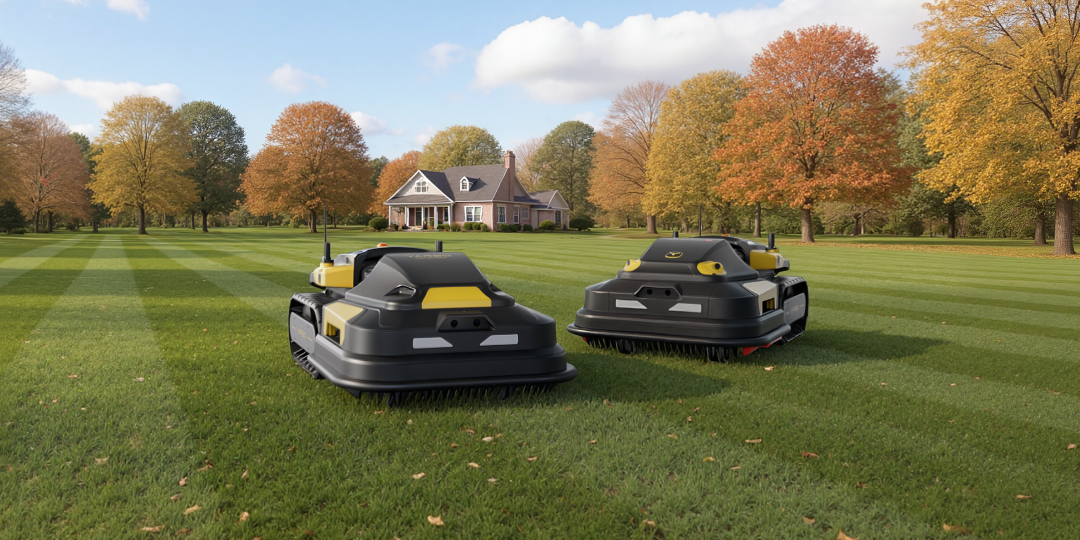
Choosing an autonomous mower shouldn’t feel like guessing. You want a tool that fits your lawn—no more struggling with clogs, uneven cuts, or machines that quit halfway through the job. That’s where Yarbo comes in: both the Yarbo Lawn Mower (standard) and Yarbo Lawn Mower Pro deliver hands-free convenience, but they’re built for different needs.
This guide breaks down exactly how these two yarbo mower models differ, what each does best, and how to pick the one that’ll keep your lawn looking its best—without the hassle. By the end, you’ll know if the standard Yarbo Lawn Mower is the perfect fit for your well-kept yard, or if the heavy-duty Yarbo Lawn Mower Pro is worth the upgrade for tough terrain.
What All Yarbo Mower Models Have in Common?
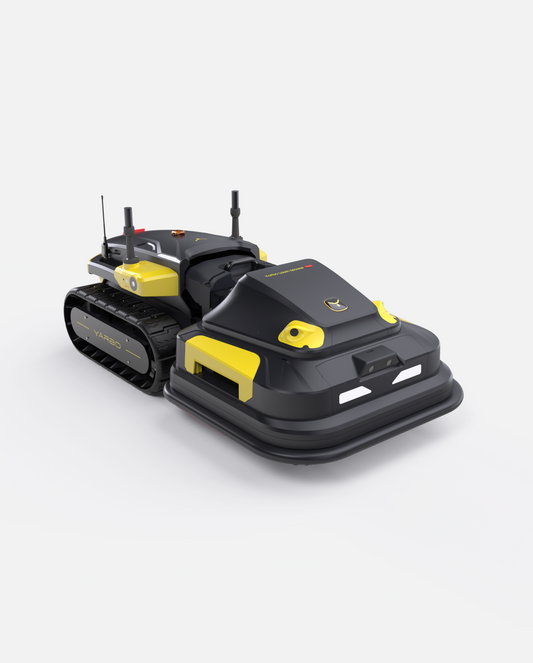
Before we dive into differences, let’s talk about what makes every yarbo mower a game-changer. Both models sit on Yarbo’s Core platform—so you get these premium features no matter which you choose:
Huge Coverage: They handle up to 6 acres of lawn. No more buying multiple mowers for large yards.
And the automation also saves time and effort.
All-Terrain Tracks:The patented tracks climb slopes up to 35° (70%)—something wheeled mowers can’t do without slipping.
Smart Navigation: RTK-GPS and cameras give centimeter-level precision. No fence wires to install; just set it and let it go.
Auto-Recharging: When the battery hits 20%, it drives back to its dock, charges, and picks up where it left off.
App Control: Define mowing zones, set schedules, and even create lawn stripes—all from your phone.
These features make any yarbo mower better than most robotic mowers on the market. But when it comes to power, durability, and handling tough grass, the two models split ways.
Yarbo Lawn Mower vs. Lawn Mower Pro: Key Differences at a Glance
Let’s start with the basics. This table sums up the biggest gaps between the standard and Pro yarbo mower models—so you can quickly see which aligns with your yard:
Feature
Yarbo Lawn Mower (Standard)
Yarbo Lawn Mower Pro
Price
$4,999
$5,999
Motor Power
2 x 150W (1200W peak)
2 x 300W (2500W peak)
Blade Options
Razor blades only
Razor blades + high-carbon steel straight blades
Cutting Height Range
1.2–4 inches (3–10cm)
0.8–4 inches (2–10cm)
Waterproof Rating
IPX5 (rain/low-pressure wash)
IPX6 (high-pressure jet wash)
Best For
Standard cool-season grasses (e.g., Kentucky Bluegrass)
Dense warm-season grasses (e.g., Bermuda), wet/overgrown lawns, commercial use
Numbers tell part of the story—but let’s dig into what these differences actually mean for your lawn.
Why Is the Yarbo Lawn Mower Pro a Step Up?
The Yarbo Lawn Mower Pro isn’t just a “fancier” version of the standard model—it’s a heavy-duty tool built for yards that break regular mowers. Here’s what makes the Pro worth the extra $1,000:
1. Double the Power: No More Stalls or Clogs
The Pro’s biggest upgrade is its dual 300W motors—100% more power than the standard Yarbo Lawn Mower. That might sound like just a number, but it changes everything for tough yards:
Cuts Through Thick Grass: Wet, overgrown, or dense grass (like Bermuda or St. Augustine) doesn’t stand a chance. The Pro slices through it cleanly, while other mowers might stall or leave uncut “stragglers.”
Fewer Interruptions: Clogged grass clippings are a nightmare for robotic mowers. The Pro’s power pushes through debris easily, so it finishes the job without you having to stop and clear jams frequently.
Cooler, More Reliable Operation: More power means the motors work less hard. No overheating, no “overcurrent” errors—just consistent mowing, even on long days.
“I have a half-acre of Bermuda grass that gets thick in summer,” says Mike, a Yarbo Lawn Mower Pro owner. “The standard mower I tried before would clog every 20 minutes. The Pro? It runs for hours without stopping. Worth every penny.”
2. Straight Blades: Better Cuts, Less Maintenance
The standard Yarbo Lawn Mower uses razor blades, which work well for regular grass. But the Pro adds high-carbon steel straight blades—and they’re a game-changer:
Lifts Grass for a Cleaner Cut: Straight blades have aerodynamic fins that suck grass upright before cutting. No more missing flat-lying blades (a common issue with standard mowers). The result? A even, “vacuumed” look that rivals professional lawns.
Durable Enough for Rocks/Roots: SK85 high-carbon steel resists dents and damage from hidden rocks or roots. So the Mower Pro’s straight blades last months longer.
Faster Grass Clipping Decomposition: The straight blades chop clippings into smaller pieces, which break down faster to feed your lawn. Less work for you, healthier grass for free.
3. Lower Cutting Height: Golf-Course Quality at Home
Want a “carpet-like” lawn? The Pro cuts as low as 0.8 inches—0.4 inches lower than the standard model. That’s a big deal for:
Warm-Season Grasses: Bermuda and Zoysia grasses thrive at lower heights. The Pro keeps them trimmed to their ideal length, promoting denser growth and a greener look.
Commercial Spaces: Golf courses, resorts, and turf farms need precise, low cuts. The Pro delivers that professional finish without manual labor.
Picky Homeowners: If you take pride in a perfectly manicured lawn, the Pro’s low cut will make your yard the envy of the neighborhood.
When Is the Standard Yarbo Lawn Mower the Better Choice?
The Yarbo Lawn Mower (standard) isn’t “inferior”—it’s built for yards that don’t need heavy-duty power. It’s the right pick if:
Your Lawn Has Cool-Season Grasses: If you grow Kentucky Bluegrass, Fescue, or Ryegrass, the standard model’s 150W motors and razor blades will cut cleanly with no issues. These grasses are less dense, so you don’t need the Pro’s extra power.
Your Yard Is Well-Maintained: No overgrown patches, no constant wetness, no thick debris? The standard mower will handle it effortlessly. It’s perfect for homeowners who mow regularly and keep their lawn tidy.
You Prioritize Value: At $4,999, the standard Yarbo Lawn Mower saves you $1,000 while still giving you all the core Yarbo perks (auto-recharging, app control, slope climbing). If you don’t need the Pro’s upgrades, this is the smarter budget choice.
“My lawn is 2 acres of Fescue, and I mow every week,” says Sarah, a standard Yarbo Lawn Mower user. “I’ve never had a clog or a stall. The standard model does everything I need—and I saved $1k. No regrets.”
Quick Selection Guide — Find Your Right Yarbo Mower in One Look
Still on the fence? Ask yourself these three questions to pick the right yarbo mower:
Warm-season grasses (e.g., Bermuda, St. Augustine)
Does your lawn tend to be moist or dense?
Not suitable for wet, dense lawns
Suitable for wet, overgrown, or dense lawns
Does your lawn have tough, heavy, or difficult-to-mow areas?
Suitable for standard lawns
Can handle thick, complex areas
Step 2: Evaluate Your Usage Scenario
Do you need a mower with strong power for tough tasks?
Suitable for regular residential lawn care
Suitable for heavy-duty tasks (e.g., thick lawns, commercial use)
Do you want a mower that delivers a premium cut quality?
Suitable for regular lawn mowing
Suitable for high-end lawn, premium cut quality
Do you want a mower with a lower cutting height, similar to a golf course?
Minimum cutting height 1.2 inches
Minimum cutting height 0.8 inches
Step 3: Evaluate Convenience Features
Do you want a fully automated mower with no manual intervention?
Fully automated, no manual operation required
Fully automated, no manual operation required
Do you need smart management via a mobile app?
App management for mowing areas, schedules, etc.
App management for mowing areas, schedules, etc.
Do you want a mower that requires minimal maintenance over time?
Razor blades replacement needed
High-carbon steel straight blades, more durable
Do you need a mower that resists clogging during mowing?
May clog on overgrown lawns
Reduces clogging, ideal for tough conditions
Do you want a mower with higher water resistance for easy cleaning?
Waterproof level IPX5, can withstand rain or low-pressure water hose
Waterproof level IPX6, can withstand high-pressure water jet, ideal for thorough cleaning
Step 4: Budget & Preferences
Do you prioritize value for money over extreme performance?
High value, suitable for average users
High performance, higher price
Step 5: Make Your Final Decision
Based on your selections in the previous steps, the model with the most checkmarks is recommended ✅
Final Thoughts
There’s no “bad” choice between the Yarbo Lawn Mower and Yarbo Lawn Mower Pro. The standard model is fantastic value for well-kept, regular lawns for ordinary residential buildings. The Pro is a workhorse for tough, dense, or commercial lawns.
Both give you the hands-free convenience that makes yarbo mower models stand out: no more pushing heavy mowers, no more fence wires, no more mid-job battery swaps. You’ll spend less time on yard work and more time enjoying your lawn.
 Skip to content