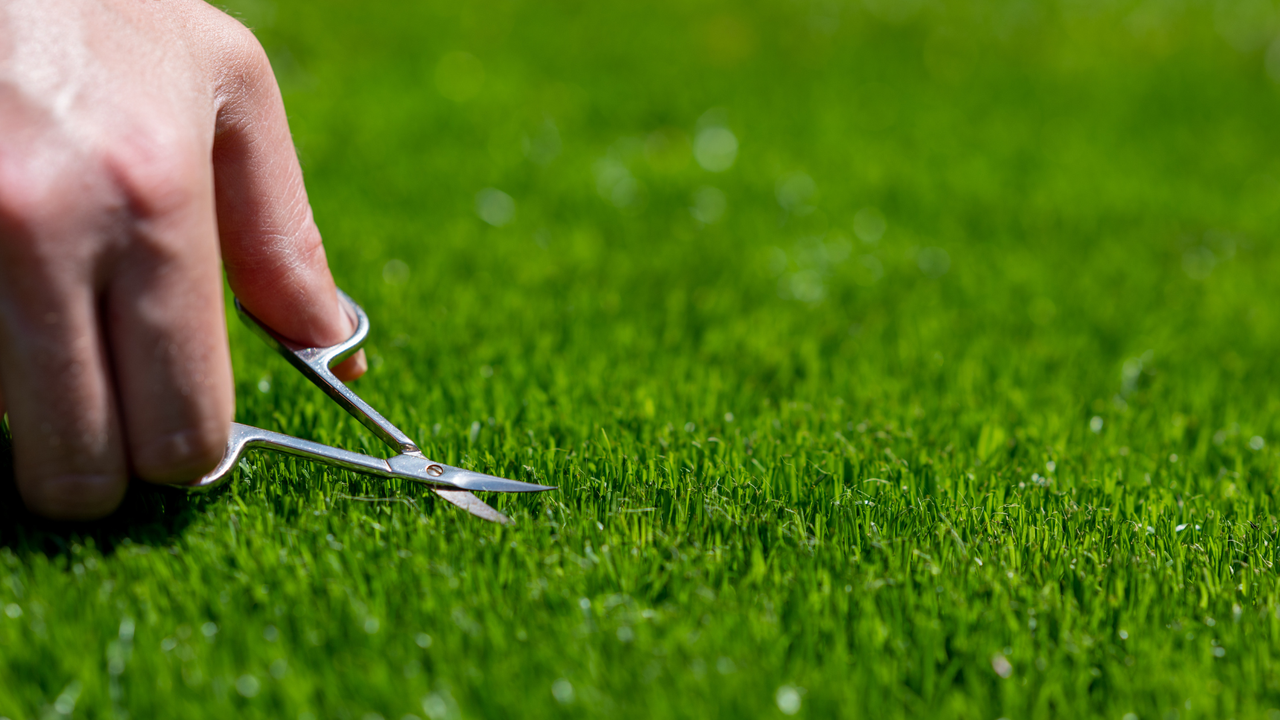
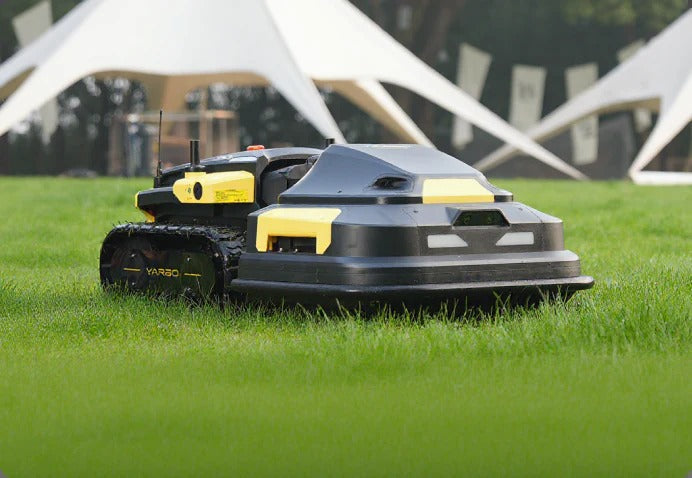
Consistency is key! Mow when the grass reaches 2.5 to 3 inches is the ideal height, adjusting for seasonal growth. For example, mow weekly in spring and less often during slower growth periods.
Proper Mowing Techniques
Setting the Right Mowing Height
Cutting your grass too short stresses it out. Most lawns thrive with grass heights of 2.5–4 inches.
Following the One-Third Rule
Never cut more than one-third of the grass blade length at once. This practice keeps your lawn healthy and reduces the risk of brown patches.
How to Alternate Mowing Patterns for Stronger Grass
Mowing in the same direction every time creates ruts and compacts soil. Instead, alternate mowing patterns. Try these:
-
Horizontal vs. vertical passes
-
Diagonal mowing every other week
-
Checkerboard patterns for aesthetics
Changing directions prevents grass from leaning, encourages upright growth, and reduces wear on your lawn.
Here’s an easy step-by-step way to start:
-
Week 1: Mow horizontally (Right to left)
-
Week 2: Mow diagonally, starting from one corner of the yard
-
Week 3: Mow vertically (Up and down the lawn)
-
Week 4: Mow diagonally in the direction opposite week 2
Post Mowing Care
-
Cleaning Your Equipment
Remove grass clippings from your mower to prevent rust and maintain performance.
-
Watering the Lawn
Water deeply and infrequently, preferably in the early morning, to keep your lawn hydrated without promoting disease.
-
Leave Clipping on the Lawn
Leaving grass clippings on your lawn, a practice known as grasscycling, offers numerous benefits, with the most important being a healthier, more vibrant lawn over time.
-
Edge and Trim
Use a string trimmer or edger to tidy up areas along sidewalks, driveways, and flower beds. Clean edges give your lawn a polished, professional look.
-
Aerate Compacted Areas
After mowing, identify spots that feel compacted or look patchy. Aerating these areas can improve airflow, nutrient absorption, and water penetration.
-
Fertilize Strategically
If you notice your lawn looks a little lackluster, consider applying a slow-release fertilizer. The nutrients will replenish the soil, promoting healthy, vibrant growth.
-
Monitor for Weeds and Pests
Post-mowing is a great time to look for weeds, pests, or diseases. Spot-treat problem areas to prevent them from spreading.
-
Avoid Heavy Traffic
Give your freshly mowed lawn some time to recover. Avoid walking or playing on it for at least a few hours to prevent compaction and stress.
-
Plan Your Next Mow
Observe how quickly your grass grows and plan the next mow accordingly. Mowing too soon or too late can affect the health and appearance of your lawn.
By incorporating these post-mowing care tips, you’ll keep your lawn in great shape and create a space that’s both beautiful and functional.
Seasonal Lawn Mowing Tips for Year-Round Lawn Health
Your lawn’s needs change with the seasons, so your mowing practices should adapt accordingly:
-
Spring: Start mowing once grass reaches 3–4 inches. Focus on gradual trims.
-
Summer: Avoid mowing during peak heat. Raise cutting height slightly to protect roots.
-
Fall: Keep mowing until growth stops; mulching leaves into the lawn adds nutrients.
-
Winter: Limit mowing, but clear debris to prevent mold and disease.
Each season presents unique challenges, but adjusting your mowing habits ensures grass stays healthy year-round.
Eco-Friendly Lawn Mowing Tips for Sustainable Care
Modern homeowners are increasingly eco-conscious, and mowing can be part of that effort. Consider:
-
-
Practicing grasscycling (leaving clippings as natural mulch).
-
Reducing mowing frequency during droughts.
-
Planting native grass species that need less maintenance.
Eco-friendly mowing not only saves energy but also enhances long-term lawn health.
Common Mistakes to Avoid
Even experienced homeowners make lawn care errors. Avoid these:
-
Scalping (cutting grass too short)
-
Mowing with dull blades
-
Mowing too quickly (causes uneven cuts)
-
Ignoring mower maintenance
-
Always mowing in the same pattern
Recognizing and correcting these mistakes keeps your lawn thriving.
Conclusion
A well-maintained lawn is more than just a pretty sight—it's a healthy, thriving ecosystem. By following these grass mowing tips, you'll enjoy a greener, healthier yard that becomes the envy of the neighborhood. Remember, consistency is key!
FAQs
1. How often should I mow my lawn for best results?
Most lawns thrive when mowed once a week during growing season, though fast-growing grass may need twice weekly mowing.
2. What’s the best height to cut grass for lawn health?
Generally, 2.5 to 3 inches works for most grass types. Taller grass protects roots and reduces weeds.
3. Can mowing wet grass damage my lawn?
Yes. Wet mowing can clump grass, leave uneven cuts, and spread disease. Wait until grass dries.
4. Should I bag or mulch my grass clippings?
Mulching returns nutrients to the soil, but bagging is better if grass is too long or diseased.
5. What’s the biggest mistake homeowners make when mowing?
Cutting grass too short (“scalping”), which weakens roots and encourages weeds.
6. Do I need to sharpen my mower blades every year?
Yes—ideally twice a season, or after 3-6 months , to keep cuts clean and grass healthy.
 Skip to content