 Skip to content






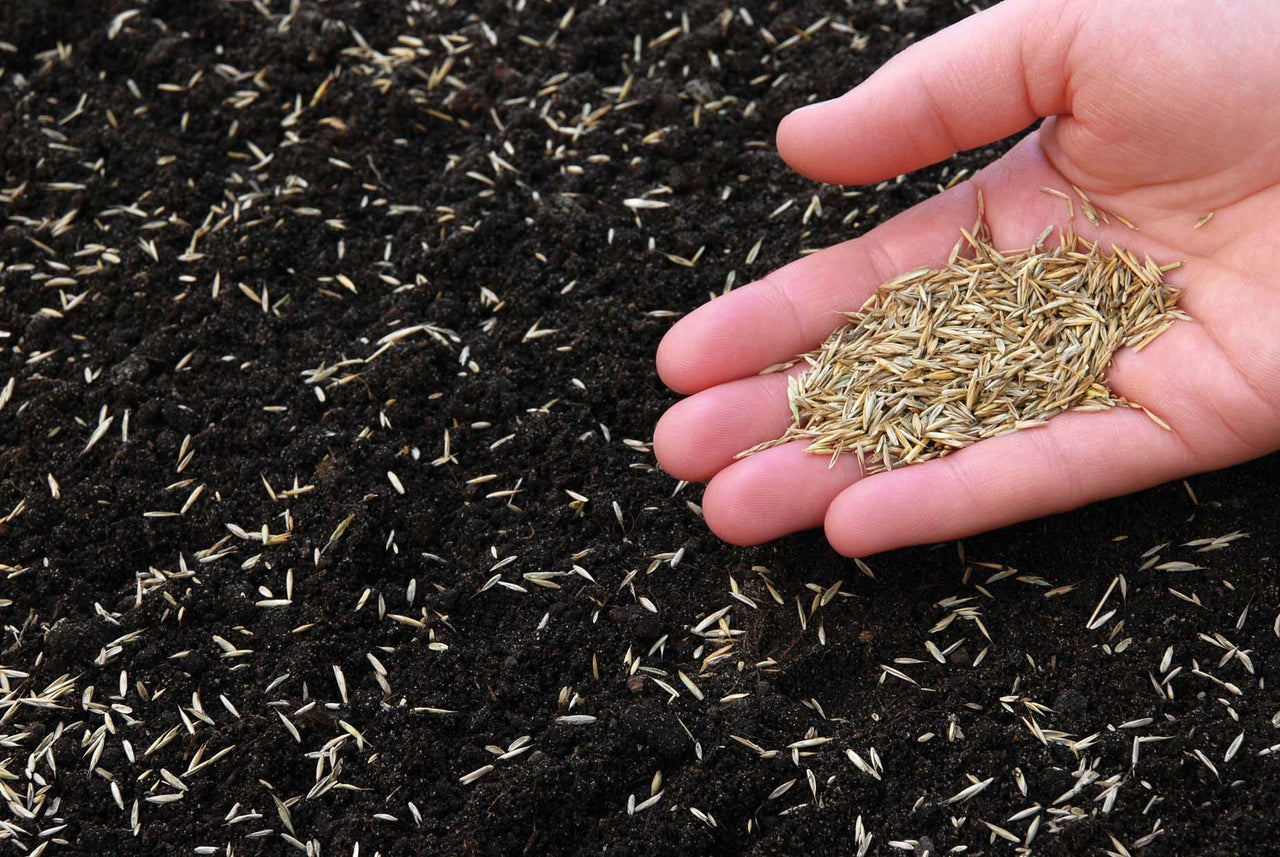
Table Of Contents
What Is Lawn Overseeding?
Lawn overseeding is the process of planting grass seed directly onto existing turf without tearing up the lawn or soil.
It’s one of the simplest and most effective ways to rejuvenate tired, patchy grass and achieve that thick, green carpet-like lawn you dream about.
This technique fills in bare spots, improves lawn density, and helps crowd out weeds—all without starting from scratch. If your lawn looks thin, patchy, or tired, overseeding is a cost-effective and straightforward solution.
Why Overseeding Is Important for Lawn Health
Over time, grass plants weaken, especially under stress from foot traffic, drought, heat, and disease. Overseeding introduces new, resilient grass varieties that are more resistant to pests, weeds, and environmental conditions.

Benefits of Overseeding:
-
Enhances lawn density
-
Improves lawn color and texture
-
Fills in bare or thin spots
-
Reduces weed growth by crowding them out
-
Increases drought and disease resistance
When Is the Best Time to Overseed Your Lawn?
Timing is everything when it comes to overseeding. The ideal overseeding window depends on your grass type and regional climate.
Overseeding Cool-Season Grasses (e.g., Fescue, Rye, Kentucky Bluegrass)
-
Best Time: Late summer to early fall (mid-August to October)
-
Why: Warm soil temps promote germination, and cooler air helps young grass thrive.
Overseeding Warm-Season Grasses (e.g., Bermuda, Zoysia, St. Augustine)
-
Best Time: Late spring to early summer (April to June)
-
Why: These grasses germinate best in warm soil and grow during summer months.
Essential Tools and Materials You’ll Need
Before you get started, make sure you’ve gathered everything you'll need:
| Tool/Material | Purpose |
| Lawn mower | Trim grass short before seeding |
| Dethatcher or rake | Remove dead grass and debris |
| Aerator | Loosen compacted soil |
| Grass seed | Choose based on your lawn’s needs |
| Broadcast spreader | Distributes seed evenly |
| Lawn fertilizer | Boosts growth post-seeding |
| Hose or sprinkler | Keeps the soil consistently moist |
Step-by-Step Lawn Overseeding Guide
Step 1: Mow and Dethatch
Mow your lawn shorter than usual (1.5 to 2 inches), then remove the thatch layer using a dethatcher or a stiff rake. This clears the path for seeds to reach the soil.
Step 2: Aerate the Lawn
Aerating creates holes in the soil to improve air, water, and seed penetration. Use a core aerator for best results.
Step 3: Choose the Right Grass Seed
Pick a high-quality seed that matches your existing lawn or enhances it. Look for blends labeled “overseeding mix” for best performance.
Step 4: Spread the Seed Evenly
Use a broadcast spreader and follow the recommended seeding rate. Overlapping slightly helps ensure full coverage.
Step 5: Water Regularly and Maintain Moisture
Water lightly but frequently—2 to 3 times per day for the first two weeks. Keep the soil moist but not soggy.
Comparison of 3 Overseeding Methods: Which One Delivers the Best Results?
When it comes to overseeding your lawn, the method you choose can make a big difference in how fast and how well your new grass grows. Let’s break down and compare three commonly used approaches:
1. Directly Adding Seeds to Soil
How it works: This is the most basic method where grass seeds are simply spread over the existing lawn or bare soil without any preparation.
Pros:
-
Easy and quick to apply.
-
No special tools or preparation needed.
Cons:
-
Seeds often remain on the surface and are vulnerable to being blown away or eaten by birds.
-
Germination rates are lower due to poor seed-to-soil contact.
-
Requires frequent watering and may still yield patchy results.
Result: This method is the least effective in terms of consistency and coverage. It often leads to thin or uneven grass growth.
2. Mixing Seeds with Tissue Paper or Paper Mesh
How it works: Seeds are embedded in moist tissue paper or biodegradable paper mesh, then placed on the lawn or soil surface. The paper holds the seeds in place and helps retain moisture.
Pros:
-
Provides better seed protection and moisture retention.
-
Minimizes seed displacement from wind or animals.
-
Encourages more even germination.
Cons:
-
Slightly more preparation time required.
-
Needs regular misting to prevent paper from drying out.
Result: This method shows more consistent germination and healthier early growth. It's especially helpful in preventing wash-away during watering or rainfall.
3. Aeration Followed by Overseeding
How it works: Core aeration is performed first—creating small holes in the lawn—followed by spreading the seeds. The seeds fall into the holes, giving them direct contact with soil.
Pros:
-
Maximizes seed-to-soil contact for higher germination rates.
-
Reduces soil compaction and improves oxygen and nutrient flow.
-
Great for established lawns needing rejuvenation.
Cons:
-
Requires renting or using an aerator.
-
Slightly more labor-intensive.
Result: This method is widely recommended by turf experts. It provides long-lasting and consistent lawn thickening, especially in compacted or older lawns.
What’s the Best Method?
While directly seeding the soil may be tempting for its simplicity, methods 2 and 3 consistently outperform it in terms of germination rates, seed protection, and long-term lawn health.
-
Choose method 2 (seed-paper combo) if you want an affordable and low-tech way to retain moisture and prevent seed loss.
-
Go with method 3 (aeration + overseeding) if your lawn is compacted or you want the most professional, high-success approach.
In short, methods 2 and 3 are the most reliable and effective for overseeding a healthy, thick lawn.
Common Overseeding Mistakes to Avoid
-
Overseeding without mowing or dethatching
-
Using the wrong type of grass seed
-
Underwatering or overwatering
-
Not aerating compacted soil
-
Applying too much fertilizer too soon
-
Overseeding in the wrong season
How to Prepare Your Soil Before Overseeding
Healthy soil is the foundation of a healthy lawn. Before overseeding, test your soil’s pH level (ideal range: 6.0–7.0). Add lime if it’s too acidic or sulfur if it’s too alkaline.
Then, loosen the top layer of soil using a rake or cultivator to give seeds a better chance of germinating.
Best Grass Seed Varieties for Overseeding
| Grass Type | Best For | Overseeding Season |
| Perennial Ryegrass | Fast germination | Fall |
| Tall Fescue | Drought resistance | Fall |
| Kentucky Bluegrass | Thick, lush lawn | Fall |
| Bermuda Grass | Heat tolerance | Spring/Summer |
| Zoysia Grass | Low maintenance | Late Spring |
Tip: Always choose certified seed to avoid weed seeds and ensure purity.
How Long Does It Take for Overseeded Grass to Grow?
On average, you’ll see germination in:
-
5–10 days for ryegrass
-
10–14 days for fescue
-
14–21 days for Kentucky bluegrass
Consistent watering and care are crucial during this time.
Post-Overseeding Care Tips
Fertilizing After Overseeding
Use a starter fertilizer rich in phosphorus to stimulate root development. Avoid high-nitrogen fertilizers immediately after seeding.
Mowing Schedule and Guidelines
Wait until the new grass reaches 3 inches before mowing. Use sharp blades and never cut more than 1/3 of the grass height.
How Overseeding Helps With Weeds and Bare Spots
A thick lawn is a natural weed deterrent. By filling in bare or thin spots with new grass, overseeding helps prevent crabgrass, dandelions, and other invaders from taking hold.
Overseeding and Lawn Renovation: What’s the Difference?
-
Overseeding adds seed to an existing lawn to improve density.
-
Lawn Renovation involves more intensive work—like dethatching, aeration, weed removal, and sometimes topdressing—to repair a severely damaged lawn.
FAQs About Lawn Overseeding
1. Can I walk on my lawn after overseeding?
Minimize foot traffic for at least 2–3 weeks to allow seeds to establish.
2. Do I need to fertilize before or after overseeding?
Fertilize after overseeding using a starter fertilizer.
3. How often should I water newly overseeded grass?
2–3 light waterings per day for the first two weeks, then gradually reduce frequency.
4. Can I overseed over weeds?
It’s better to remove weeds before overseeding to prevent competition for nutrients and sunlight.
5. How soon can I mow after overseeding?
Wait until the new grass is 3 inches tall—usually 3–4 weeks after seeding.
6. Do I need to cover the seed with soil or straw?
Light raking is usually enough. In windy or sunny areas, a thin layer of straw can help retain moisture.
Conclusion: A Lush Lawn Is Just a Few Seeds Away
Overseeding is a simple, budget-friendly way to breathe new life into your lawn. By following these best practices, timing your overseeding right, and caring for your new grass properly, you’ll enjoy a greener, thicker lawn in no time.
Whether you’re dealing with patchy spots or just want to upgrade your lawn’s look, overseeding offers a tried-and-true solution that works for all types of turf.



 Private group · 33.0K members
