Cart
0
Liquid error (snippets/sn-cart-drawer line 174): Could not find asset snippets/sn-cart-upsell.liquid
 Skip to content
Unable to load menu items. Please try again.
This collection is empty
Unable to load menu items. Please try again.
This collection is empty
Unable to load menu items. Please try again.
This collection is empty
Unable to load menu items. Please try again.
This collection is empty
Unable to load menu items. Please try again.
This collection is empty
Calculate your ROI
Unable to load menu items. Please try again.
This collection is empty
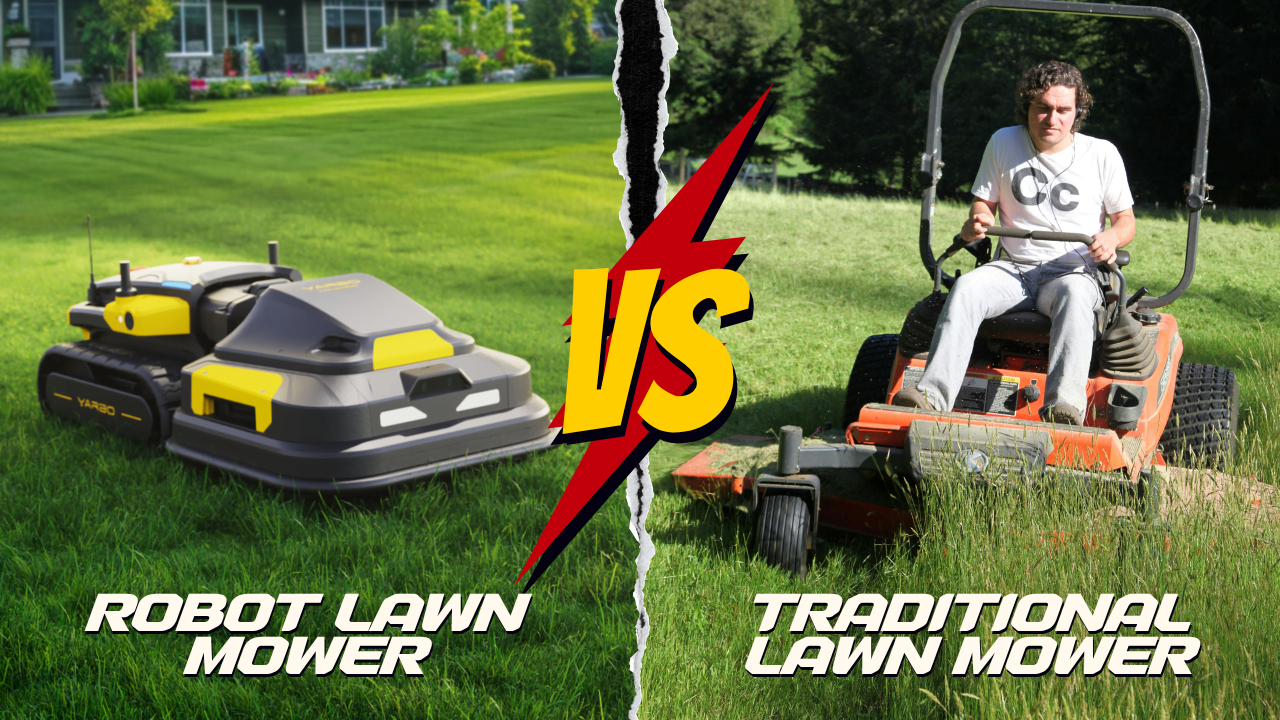
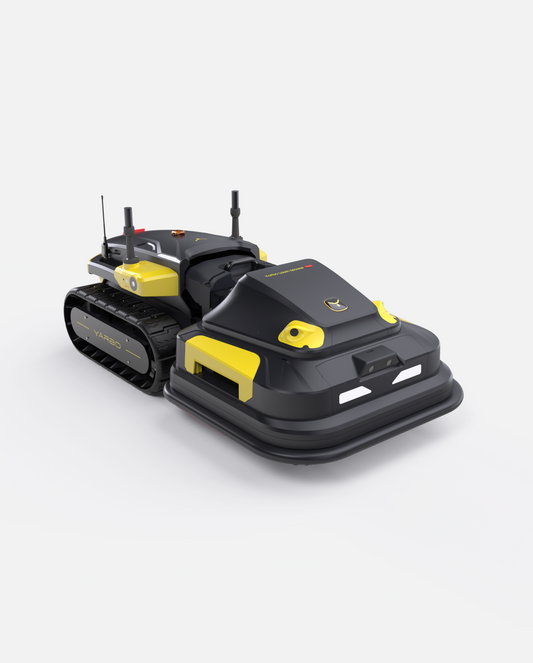
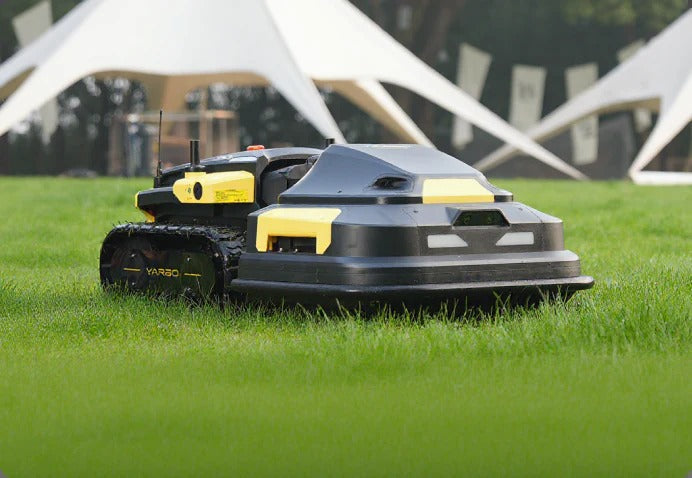
Example: Yarbo Robot Lawn Mower


| Aspect | Robot Mowers | Traditional Mowers |
| Initial Cost | $800 – $7,000 | $150 – $1500 |
| Operating Cost | Very low (electricity) | Moderate to high (fuel, oil, repairs) |
| Maintenance Cost | Minimal (blade replacement, software updates) | High (engine repairs, oil changes, blade sharpening) |
Robot Mowers: Ease To Use?
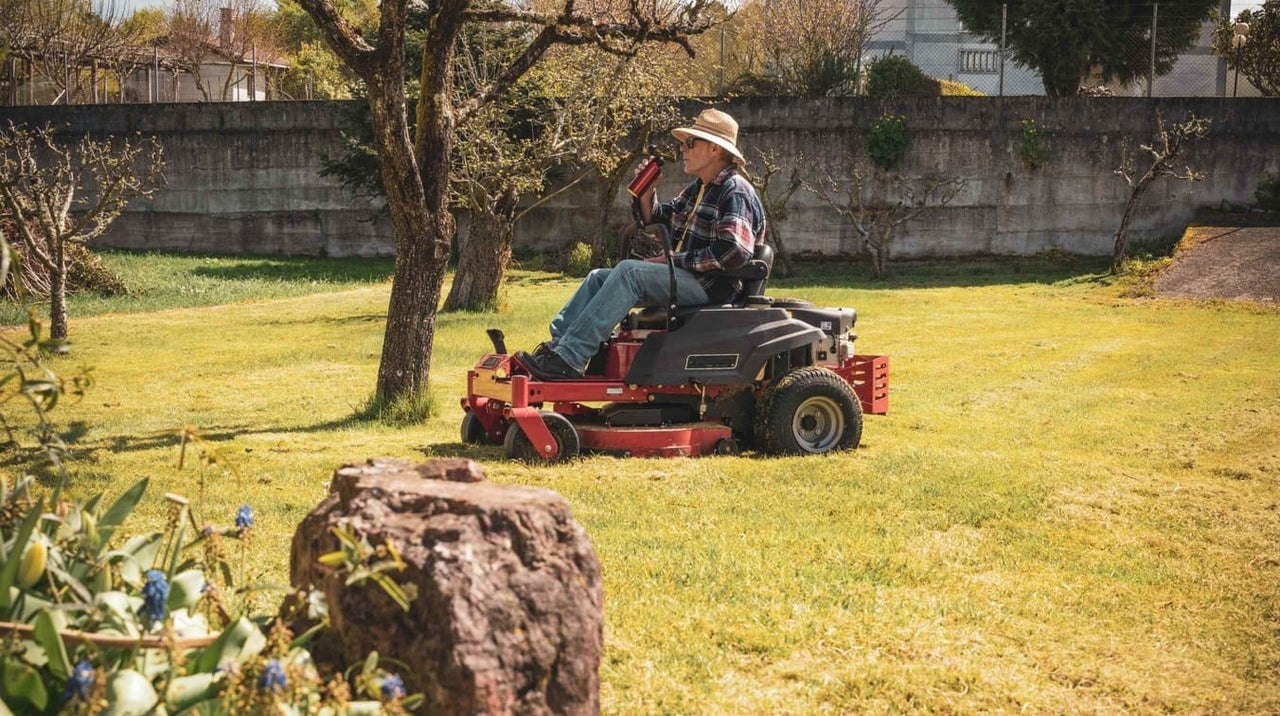
Traditional Mowers: Ease To Use?
| Feature | Robot Lawn Mowers | Traditional Lawn Mowers |
| Cutting Precision | High – Frequent trims ensure uniform cuts | Varies – Dependent on blade sharpness & care |
| Area Coverage | Best for small to medium lawns | Better for large or uneven yards |
| Mowing Pattern | Smart patterns via GPS and app | Manual mowing paths |
| Multizone Support | Yes – via app zones | Manual movement needed between zones |

Verdict: Robot mowers are safer thanks to built-in tech and automated shutoff.

| Criteria | Robot Lawn Mowers | Traditional Lawn Mowers |
| Rain Adaptation | Rain sensors pause mowing automatically | Can mow but unsafe in heavy rain |
| Winter Use | Not suitable for snow or frost | Still usable in most weather |
| Seasonal Settings | App-based adjustments | Manual adjustments for grass height & mulch |
| Feature | Robot Lawn Mower (e.g., Yarbo) | Traditional Lawn Mower |
| Effort Required | Minimal – Fully autonomous | High – Manual mowing |
| Setup Complexity | Moderate – Needs installation | Low – Ready to use |
| Noise Level | Quiet – ~60 dB | Loud – ~90 dB |
| Fuel Type | Rechargeable battery | Gasoline or electric |
| Safety Features | Sensors, auto-shutoff, GPS lock | None or basic |
| Multizone Capability | Yes – App controlled | Manual |
| Maintenance | Low – Software updates | High – Frequent servicing |
| Cost Over Time | Low – Fewer ongoing expenses | High – Fuel, oil, parts |
| Terrain Flexibility | Limited to smooth lawns | Ideal for rough and large yards |
| App Control | Yes | No |
Check your welcome email for exclusive discounts.
We are unable to verify your email address.
Please check if the email
is correct.
Featured in Article
Leave your email and we'll let you know as soon as this product is back in stock.
Check your welcome email for exclusive discounts.
We are unable to verify your email address.
Please check if the email
is correct.