Cart
0
Liquid error (snippets/sn-cart-drawer line 174): Could not find asset snippets/sn-cart-upsell.liquid
 Skip to content
Unable to load menu items. Please try again.
This collection is empty
Unable to load menu items. Please try again.
This collection is empty
Unable to load menu items. Please try again.
This collection is empty
Unable to load menu items. Please try again.
This collection is empty
Unable to load menu items. Please try again.
This collection is empty

Calculate your ROI
Unable to load menu items. Please try again.
This collection is empty
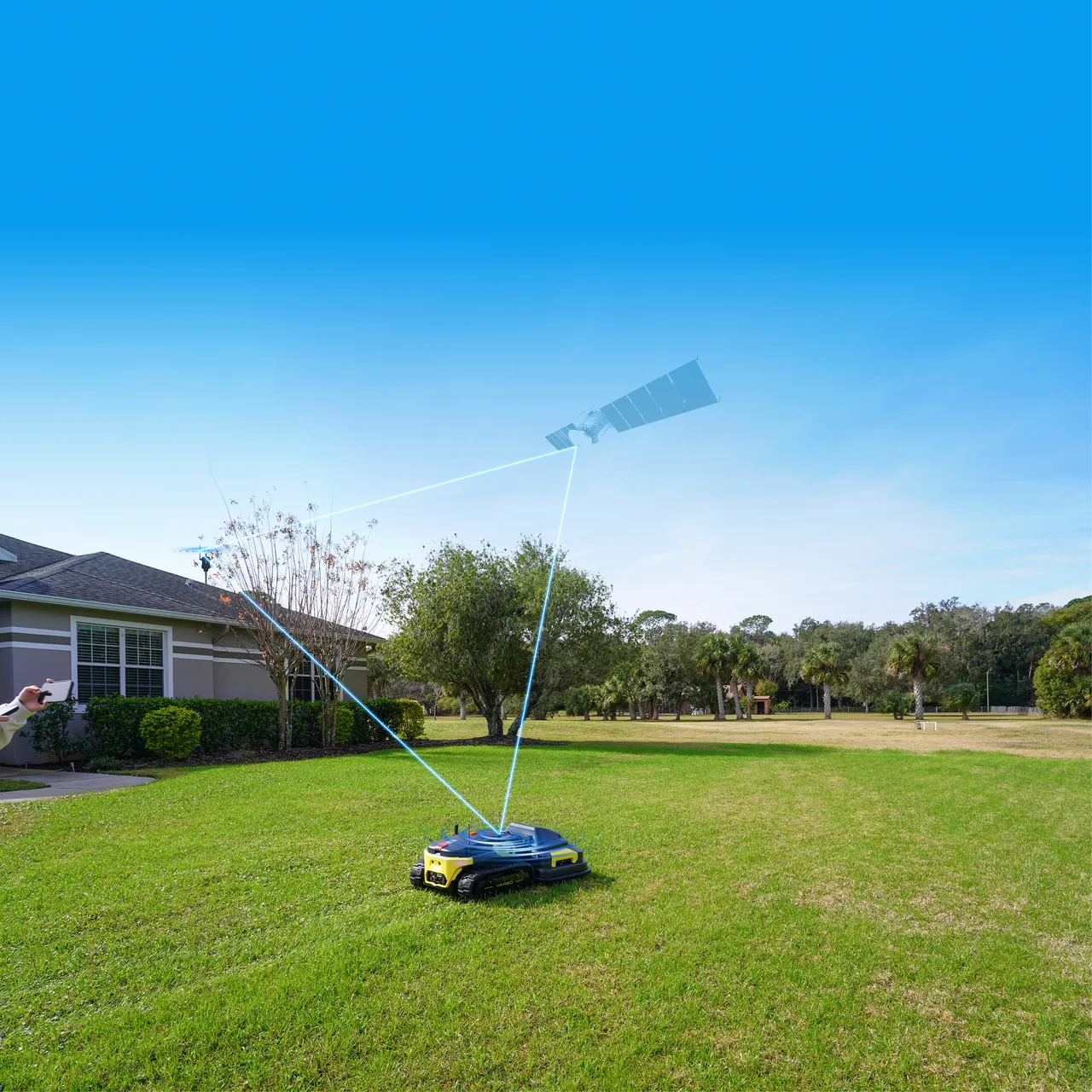
| Feature | Wired GPS Robot Mower | Wireless GPS Robot Mower |
| Setup | Requires boundary wire installation | Quick setup with no wires |
| Flexibility | Fixed mowing zones | Adjustable virtual zones |
| Navigation | Wire-based signals | GPS + AI navigation |
| Cost | Lower upfront | Higher investment |
| Maintenance | Wire repairs needed | Software updates only |
| Best For | Simple, small lawns | Large, complex yards |
| Aspect | Wired Mowers | Wireless Mowers |
| Initial Cost | $500–$1500 | $1000–$3000+ |
| Installation Cost | $100–$300 (wire and tools) | None (app-based setup) |
| Long-Term Costs | Higher (wire repairs) | Lower (minimal maintenance) |
| Feature | Wired Robot Mower | Wireless Robot Mower |
| Installation | Requires perimeter wire | No wire needed; virtual boundary via app |
| Navigation | Physical Wire-guided | GPS, AIor sensor-guided |
| Flexibility | Less flexible; physical boundary required | Highly flexible; easy to modify boundaries |
| Pricing | More affordable- $600 - $1,200 | More expensive, $1,500 - $4,000 |
| Maintenance | Occasional wire checks | Software updates & GPS calibration |
| Smart Features | Basic or limited | Advanced & app-controlled |
| Lawn Type | Recommended Mower Type | Why? |
| Small or Simple Lawns | Wired Mower | Affordable & effective |
| Large, Complex, or Multi-Zone Lawns | Wireless Mower | Easier management & smart navigation |
| Lawns with Frequent Layout Changes | Wireless Mower | Quick boundary adjustments |
| Poor GPS Signal Areas | Wired Mower | No dependency on connectivity |
"If your lawn layout stays consistent and you don’t mind installation, wired mowers give you great value for money." — Michael Greene, Lawn Care Specialist"For tech-savvy homeowners with larger or complex yards, wireless mowers offer incredible flexibility and smart control features you won’t get with wired versions." — Emily Richards, Smart Home Tech Consultant
Check your welcome email for exclusive discounts.
We are unable to verify your email address.
Please check if the email
is correct.
Featured in Article
Leave your email and we'll let you know as soon as this product is back in stock.
Check your welcome email for exclusive discounts.
We are unable to verify your email address.
Please check if the email
is correct.