Table Of Contents
What Are the Biggest Risks of Snow Removal?
-
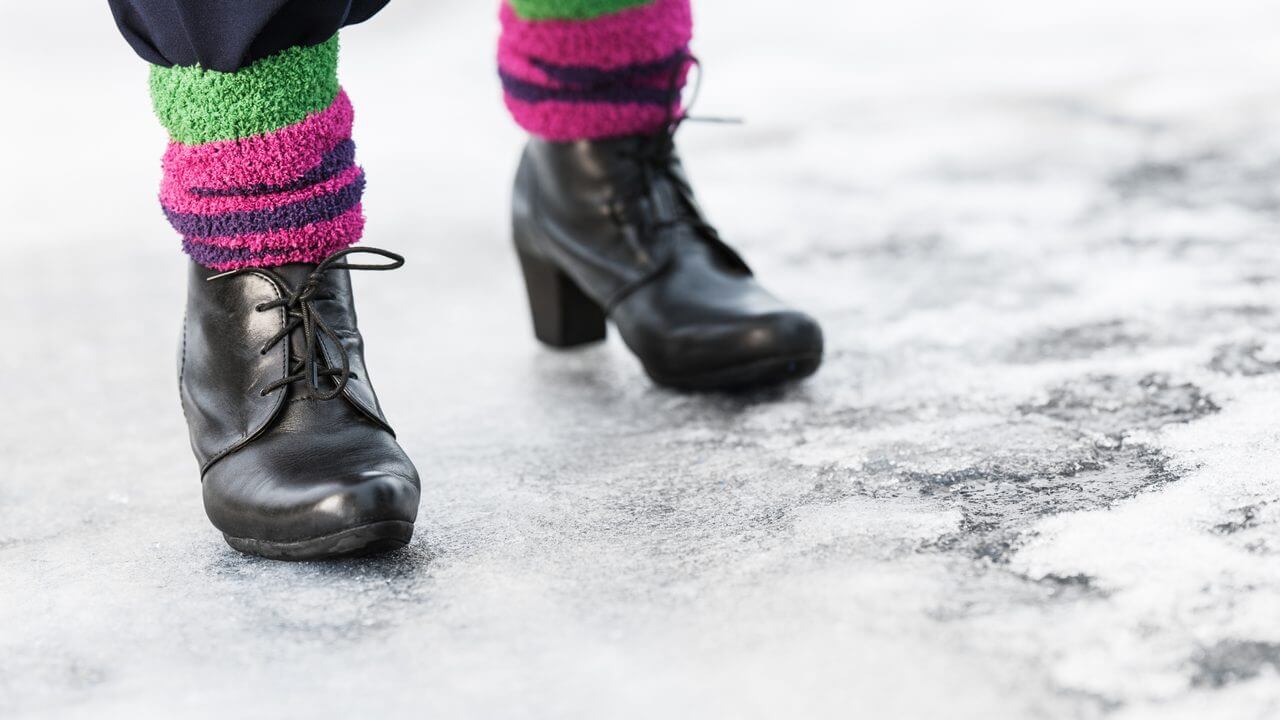
Slips and Falls: Icy surfaces are deceptively slippery and falling on ice is not only painful, it can also cause serious injuries as cold temperatures can make muscles and joints stiffer.
-
Overexertion: Lifting heavy snow improperly can strain muscles much quicker than usual as there is usually decreased circulation.
-
Cold Injuries: Frostbite and hypothermia can occur quickly in freezing temperatures.
-
Equipment Injuries: mishandling tools or machines can lead to accidents.
Essential Safety Tips for Snow Removal
-
Assessing the Weather and Conditions
-
Dress for Warmth and Protection
-
Warm Up Before Shoveling
-
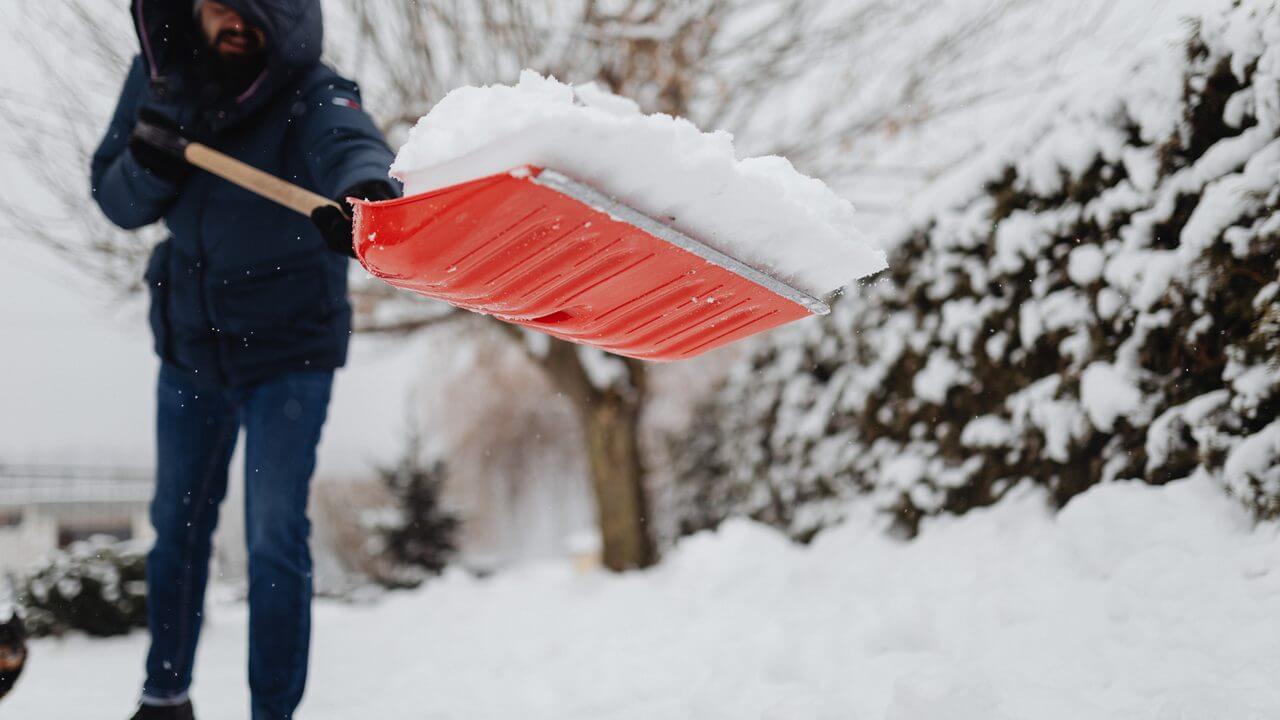
Maintain Proper Shoveling Posture
Protect Yourself from Cold Weather Risks
-
Watch Out for Ice
-
Listen to Your Body
-
Know the Signs of a Heart Attack
-
Recognizing Frostbite and Hypothermia Symptoms
Prepare Your Body For Snow Removal
-
Warm Up Before You Shovel
-
Stay Hydrated
-
Take Breaks Often
Shoveling Techniques for Maximum Safety
-
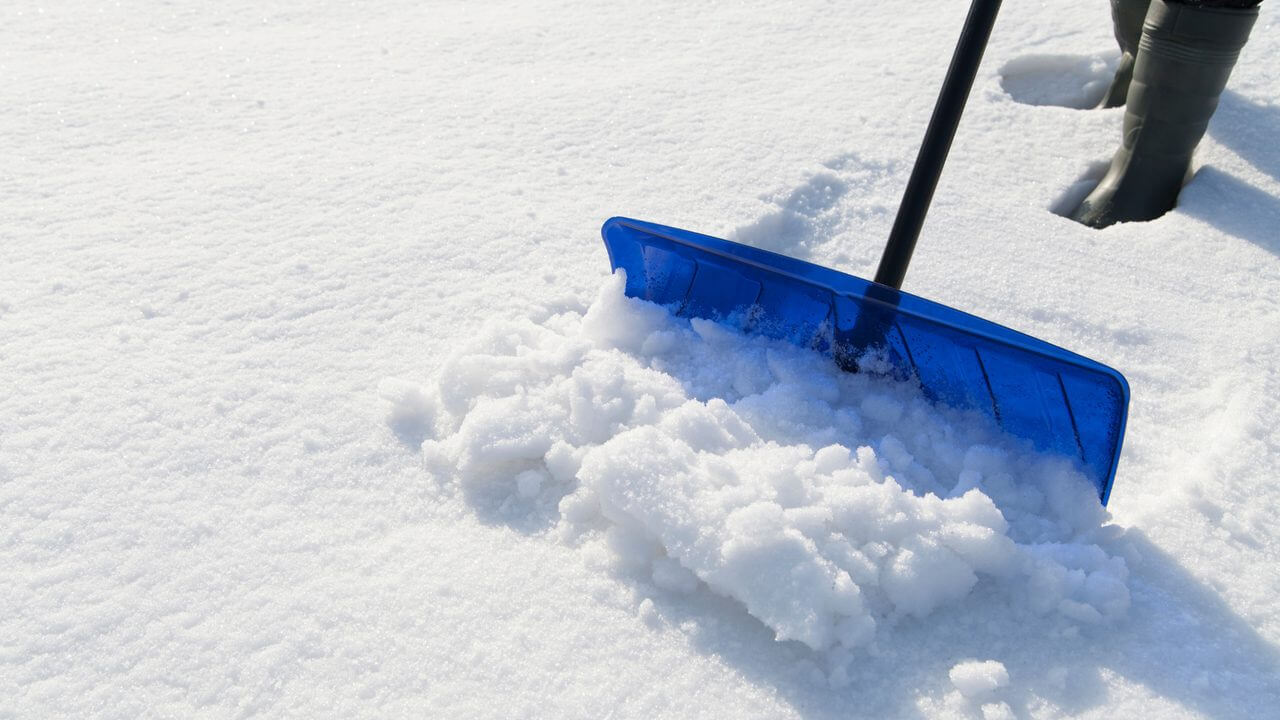
Use the Right Shovel
-
Push, Don’t Lift
-
Avoid Twisting Movements
Choosing the Right Snow Removal Tools
Best Manual Snow Shovels
Ergonomic Snow Shovels
Ice Scrapers and Snow Brushes
Using Snowblowers Safely During Winters
Best Practices for Efficient Snow Removal
-
Shovel Fresh Snow
-
Start Early and Clear Often
-
Using De-Icers Effectively
-
Breaking Ice Safely
-
Use a Snow Blower for Heavy Snow
Conclusion
FAQs
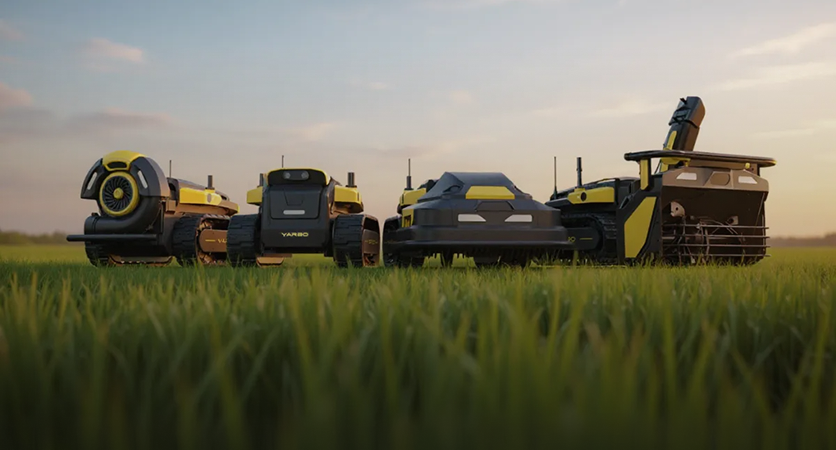
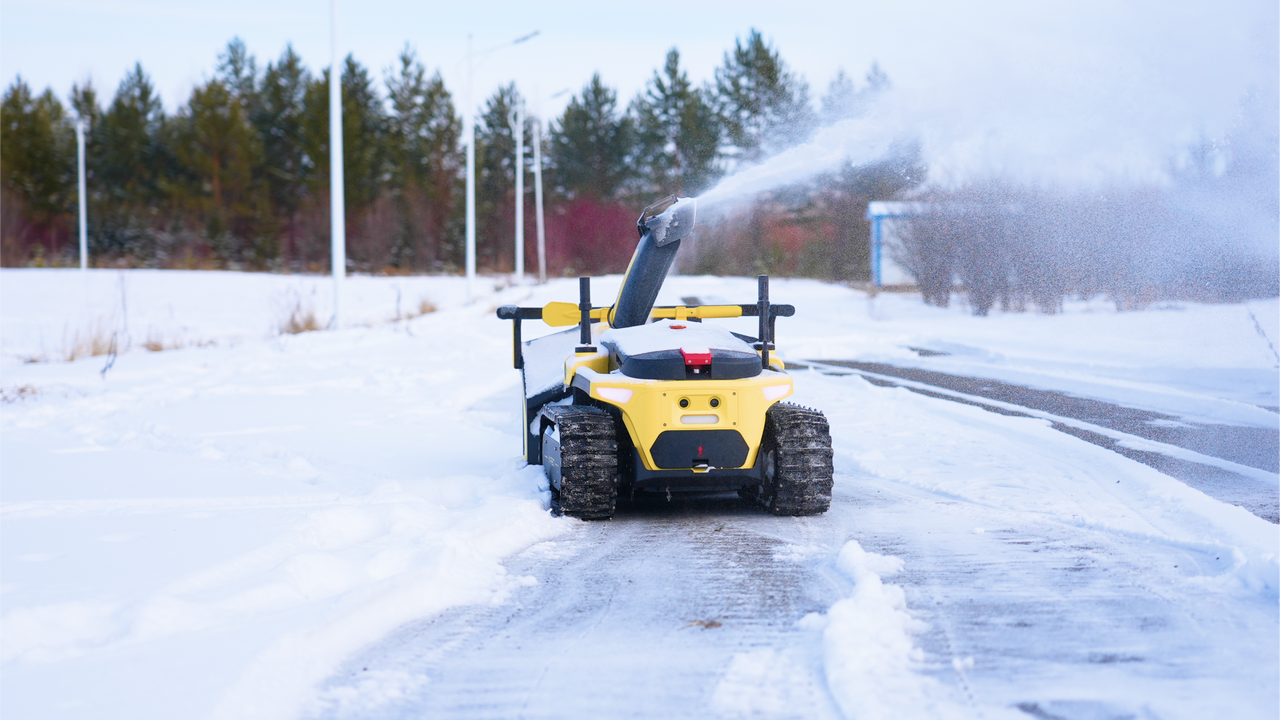
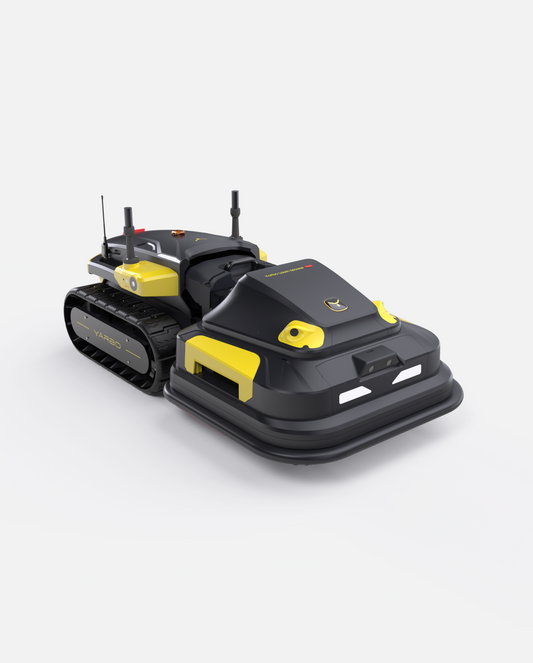
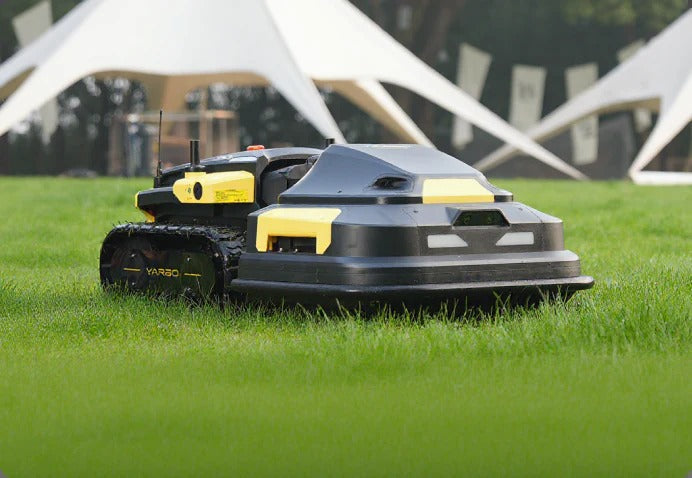
Using ergonomic shovels or robotic snow removal equipment like Yarbo minimizes physical strain and lowers injury risks.
2. Can I use regular tools instead of snow removal tools?
Household tools aren’t designed for snow. Specialized snow removal tools are safer and more effective.
Yes, snow blowers reduce physical exertion, but they still require safe handling to prevent accidents.
Bend at your knees, push snow instead of lifting, and use ergonomic snow shovels.
For large properties or frequent snowfalls, robotic options like Yarbo save time, reduce health risks, and ensure efficiency.
Waterproof boots with traction, gloves, layers of clothing, and face protection are essential.


Private group · 33.0K members