Noise Reduction Compared to Gas Mowers
Anyone who has used a traditional gas mower knows how disruptive they can be. The roar of the engine often disturbs family members, neighbors, and even pets. In fact, mowing at the wrong time can spark complaints or force you to rearrange your weekend plans.
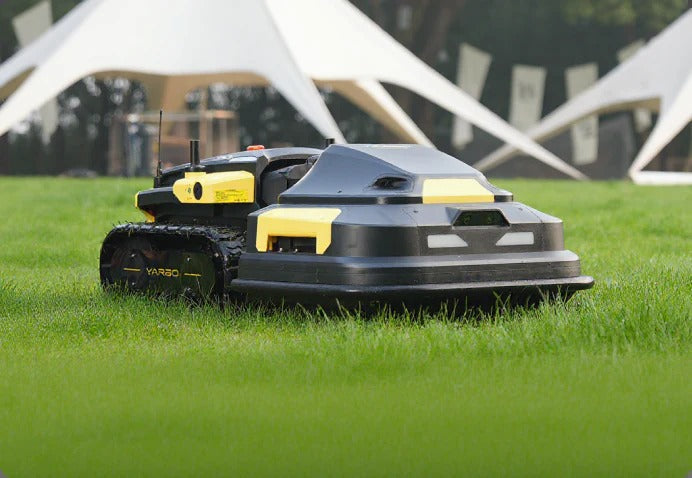
Lawn robots solve this problem entirely. Yarbo makes low noise compared to traditional lawn mowers while it operates, making it possible to mow early in the morning, late at night, or even while you’re away from home without bothering anyone. For those living in close-knit neighborhoods—or simply seeking more peace and quiet—the difference is remarkable.
Beyond Eco-Friendly: Reducing Strain, Stress, and Costs
While fuel and noise savings are compelling, the real emotional connection comes from addressing the physical and financial toll of traditional yard care. Homeowners with large yards know the struggle:
-
Hours of back-breaking labor every week.
-
Risk of injuries from lifting heavy machines or slipping in poor weather.
-
Unreliable contractors who show up late—or charge premium fees during peak seasons.
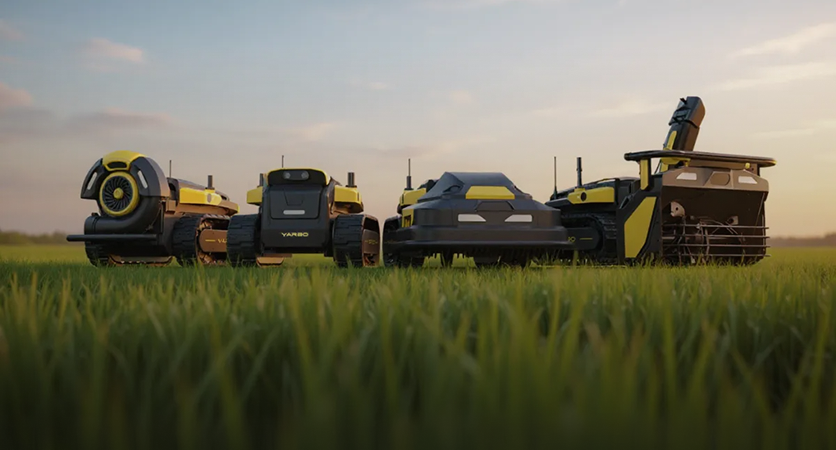
Yarbo eliminates all of this. By combining mowing, snow blowing, and leaf blowing into one modular system, it replaces three major pieces of equipment. That’s less storage space, fewer repairs, and no juggling between machines.
The Total Cost of Ownership (TCO) Advantage
Yes, Yarbo comes with a higher upfront price tag—but it’s a strategic investment that pays for itself quickly. Consider this:
-
Average lawn service for mowing: $150–$250 per month
-
Seasonal snow removal contracts: $400–$600 per winter
-
Leaf cleanup and seasonal yard prep: $200–$300 annually
Over 2–3 years, those costs add up to thousands of dollars—often exceeding the one-time cost of Yarbo. When you factor in the convenience, time savings, and eco-friendly performance, the ROI becomes undeniable.
For many homeowners, Yarbo isn’t just a lawn care tool—it’s the smarter, healthier, and more cost-effective way to maintain their property year-round.
Key Features of Self Mowing Lawn Mowers
Smart Navigation and Mapping
Robotic mowers use AI and GPS to chart the most efficient cutting path, ensuring no patch of grass is missed.
Blade Design and Cutting Efficiency
Instead of heavy rotating blades, most models use razor-sharp small blades that trim grass cleanly and encourage healthier growth.
Safety Features and Anti-Theft Systems
Safety sensors stop the blades when lifted, while anti-theft tech like GPS tracking and geofencing protect your investment.
Self Mowing Lawn Mower vs. Lawn Robot: What’s the Difference?
The terms are often used interchangeably. However:
-
Self mowing lawn mower describes the function.
-
Lawn robot is a broader term for robotic yard assistants (including mowers, snow blowers, and leaf sweepers).
Best Time to Buy Self Mowing Lawn Mower
Lawn mowers, traditional or modern are expensive. But there are always deals and seasonal discounts you can avail if you keep an eye out for them.
Seasonal Discounts and Promotions
Late summer and fall are often the best times to buy, as retailers clear out inventory for new models. Spring promotions also bring solid deals, especially when demand picks up. Holiday sales like Memorial Day or Labor Day can add extra savings.
Considering Battery and Tech Upgrades
Off-season shopping doesn’t just save money—it can also give you access to newer models with longer battery life, smarter features, and upgraded performance. This way, you get both value and the latest technology in one purchase.
Are Lawn Robots Worth the Investment?
At first glance, a self mowing lawn mower can seem expensive, especially compared to a traditional push or ride-on mower. However, when you break down the numbers, the investment becomes much easier to justify.

-
Fuel Savings: Traditional gas-powered mowers require constant refueling. A robotic mower runs on electricity, which is significantly cheaper per hour of use.
-
Maintenance Savings: Engines, belts, and oil changes all add up in conventional mowers. In contrast, a lawn robot has fewer moving parts, leading to far lower long-term maintenance costs.
-
Labor Savings: For those who hire landscapers, costs can run into hundreds—or even thousands—of dollars annually. A lawn robot eliminates that recurring expense.
Over a 3–5 year period, most homeowners find that the mower pays for itself. For those with large yards, orchards, or multiple acres, the savings are even more dramatic since the alternative is often hiring a full-service landscaping crew on a weekly basis.
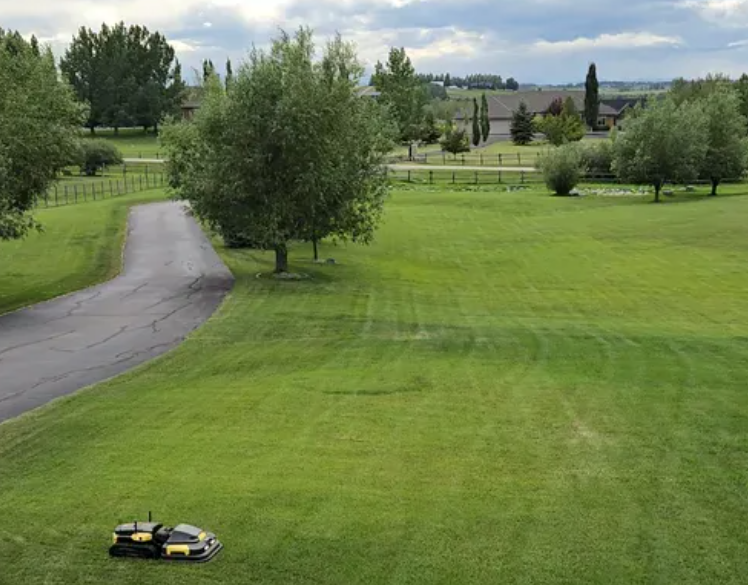
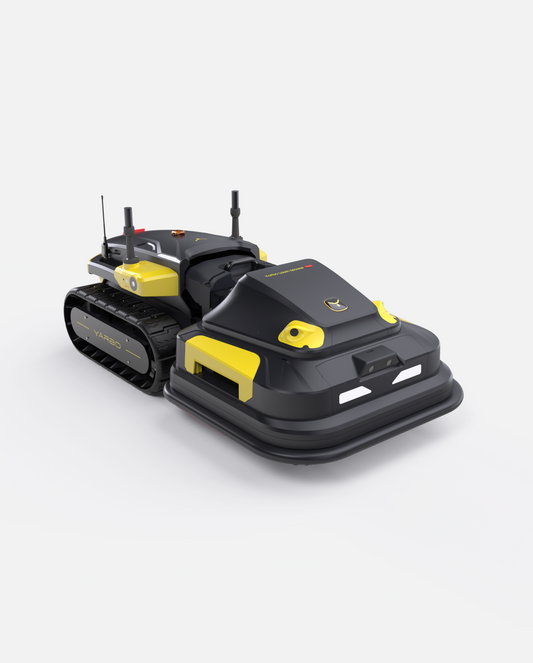
The Yarbo Mower can mow up to 6 acres, use RTK & Vision & IMU & ODOM for reliable, perimeter-free navigation even under tree cover, and the capability to conquer steep slopes up to 35° (70% grade) using tracks.
Environmental Benefits
Robotic mowers run on rechargeable batteries, which means they eliminate the constant need for gasoline and oil. This shift brings several eco-benefits:
-
Reduced Emissions: Gas-powered lawn equipment is a surprising contributor to urban air pollution. Switching to electric mowing cuts carbon output significantly.
-
Less Noise Pollution: A robot mower is whisper-quiet compared to the roar of a gas mower, improving quality of life for you and your neighbors.
-
Healthier Lawns: Because lawn robots mow more frequently, they leave behind tiny clippings that act as natural fertilizer. This reduces the need for chemical fertilizers and supports a stronger root system.
How to Choose the Right Self Mowing Lawn Mower?
Yard Size and Terrain Considerations
-
Small yards: Compact models with shorter battery life work fine.
-
Large/complex yards: Advanced GPS-enabled robots like Yarbo excel.
-
Slopes: Look for models with traction control.
Comparing Popular Brands and Models
Before purchasing, compare cutting width, runtime, warranty, and smart connectivity. External reviews, such as those on Consumer Reports, provide helpful insights.
For large and complex yards, generic robots are insufficient; performance and terrain mastery are paramount.
 Skip to content