| Feature |
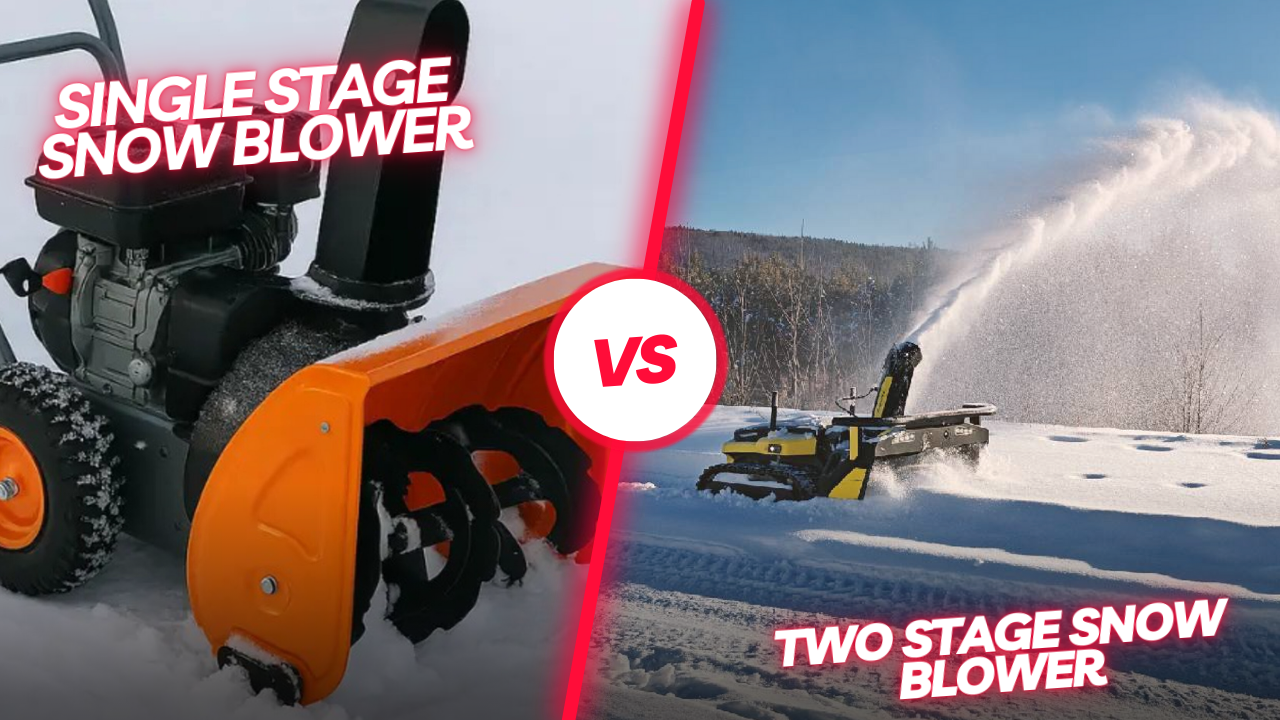
Single Stage Snow Blower |
Two Stage Snow Blower (Traditional / Autonomous) |
| Clearing Mechanism |
Single auger scoops and throws |
Auger gathers, Impeller throws (Two Steps) |
| Best Snow Depth |
Light to moderate snow (4–6 inches) |
Heavy, deep, wet, or compacted snow |
| Ground Contact |
Auger contacts the ground |
Auger does NOT contact the ground |
| Throw Distance |
Less power and distance |
Throws snow significantly farther (Yarbo: up to $40) |
| Maintenance & Cost |
More affordable; easy to maintain |
More expensive; traditionally higher maintenance (Gas) |
| Size & Maneuverability |
Light, maneuverable, easy to store |
Heavier and bulkier |
| Slope Handling |
Limited on uneven surfaces |
Better performance on slopes (Yarbo: up to $36%) |
When to Choose Single Stage: Ideal Scenarios
-
Small driveways or walkways If your driveway is short or you only need to clear sidewalks, a single stage snow blower is efficient and cost-effective.
-
Light or occasional snowfalls In areas with mild winters or seldom heavy snow, a single stage model is often enough.
-
Tight spaces and storage constraints It’s easier to maneuver around parked cars, narrow paths, or garden edges.
-
Budget-conscious buyers Offers a balance of function and affordability while still delivering solid performance for modest demands.
Imagine a homeowner in a temperate region with shallow snow and a compact driveway, a single stage snow blower is likely the best snow blower for their needs between the two choices single stage vs two stage snow blower.
When to Choose Two Stage: Ideal Scenarios
-
Long driveways, sidewalks, or property perimeters Large areas with substantial snowfall benefit from the power and reach of a two stage machine.
-
Heavy, wet, or packed snow If winters bring deep or icy snow, a two stage blower clears faster and more thoroughly.
-
Rough, uneven surfaces or gravel driveways Since the auger doesn’t scrub the ground, two stage blowers handle rough terrain without grabbing stones.
-
Frequent, heavy snowfalls For consistent heavy winters, investing in a good two stage blower provides long-term value.
For a suburban homeowner with a long driveway and frequent snowstorms, a two stage snow blower often becomes the best snow blower investment.
Factors to Consider Before Buying the Best Snow Blower
Property Size and Snow Volume
Your property size and typical snow load directly influence which blower is appropriate. For small patios and occasional snow, a single stage option may be enough. But for medium to large driveways, expecting frequent snow buildup, a two stage machine often wins in efficiency.
Snow Type and Climate Conditions
-
Powdery, light snow Single stage blowers handle this well.
-
Heavy, wet, compacted snow or ice Two stage blowers perform better under tough conditions.
-
Mixed climates with freezing rain or slush Added power from a two stage blower helps prevent clogs and keeps clearing smooth.
Budget, Maintenance, and Storage
Cost, maintenance requirements, and storage space often become deciding factors. Single stage models tend to be cheaper and easier to maintain. However, in snow-heavy regions, a two stage snow blower’s efficiency can justify the higher cost.
Comparing Costs: Long-Term Investment Value
Although a two stage blower costs more upfront than a single stage one, its efficiency can save you time and effort — often paying off over several winters. For example:
-
Single stage: Low cost, but may require multiple passes and more physical effort.
-
Two stage: Higher cost, but faster clearing, less strain, and longer lifespan.
If you factor in time savings, convenience, and reduced physical labor, the best snow blower for you might be the heavier-duty two stage type.
Real-World Examples: Scenario-Based Recommendations
-
Urban apartment owner, small walkway, 3–4 in snow: Single stage snow blower is logical cost-effective and easy to store.
-
Suburban home, 40-ft driveway, 6–10 in heavy snow: Two stage snow blower likely best efficient clearing and less effort.
-
Rural property with gravel driveway: Two stage blower preferred avoids picking up stones and ensures proper throwing.
-
Occasional snow in mild climates: Single stage may suffice affordable and low-maintenance.
These simple scenario-based decisions help you decide between the two popular snow blower types.
Conclusion
-
If you have a small, flat, paved driveway and experience only light, fluffy snow, the affordable Single Stage is suitable.
-
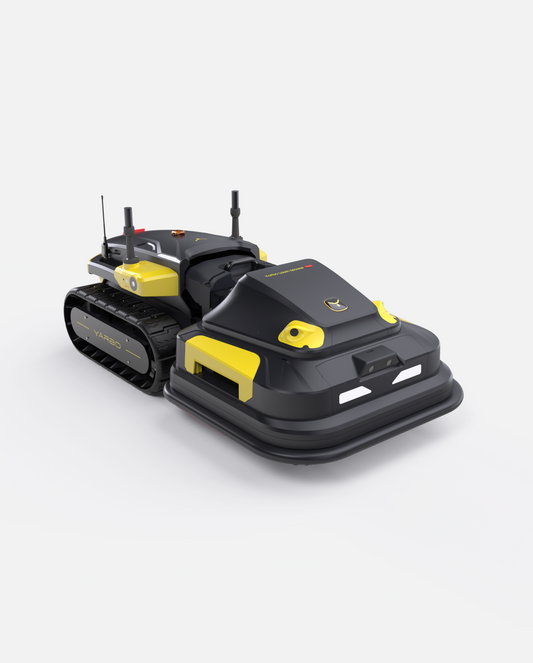
If you have a long, gravel, or sloped driveway in a region with heavy, wet, or frequent snow, a Two Stage is the correct investment. Consider an autonomous electric model, such as Yarbo, if you prioritize power and convenience without the hassle of gas maintenance.
FAQ’s
1.Do I always need a two stage snow blower for heavy snow?
Not always. If you live in an area where heavy snow is rare and the snow tends to be light or powdery a well-maintained single stage snow blower can suffice. But for consistent heavy snow, a two stage blower offers greater reliability and efficiency.
2.Can I use a single stage snow blower on gravel or uneven surfaces?
It’s not recommended. Single stage blowers have augers that contact the ground, which may dig into gravel or uneven terrain. In those cases, a two stage snow blower which avoids ground contact is generally safer and more effective.
3.Is a two stage snow blower worth the higher price?
Yes, if you deal with frequent, heavy, or wet snow over large areas. The speed, power, and long-term durability often justify the upfront cost, especially for larger properties.
4.How much maintenance do snow blowers require?
Both types require regular care: clearing debris after use, lubricating moving parts, checking bolts, and seasonal fuel management (for gas models). Two stage blowers might need slightly more maintenance due to additional components, but both can last many winters with proper upkeep.
5.Can electric models be single or two stage?
Most electric snow blowers are single stage due to power limitations; two stage models are generally gas-powered because they need more torque to power both auger and impeller.
6.How do I store my snow blower during the off-season?
Clean it thoroughly, remove any residual snow or moisture, drain or stabilize fuel (for gas models), lubricate moving parts, and store in a dry, sheltered space. Covering the machine helps prevent dust and moisture.
 Skip to content