Table Of Contents
Why Ice Removal Is Harder Than It Looks?
The Hidden Dangers of Improper Snow Clearing
-
Slip-and-fall accidents
-
Vehicle damage from ice buildup
-
Roof and gutter strain
-
Frozen walkways that increase liability risks
Traditional Ice Removal Tools vs Modern Robotic Solutions
The Shift Toward Autonomous Ice Removal
How Yarbo Removes Ice and Sludge Efficiently
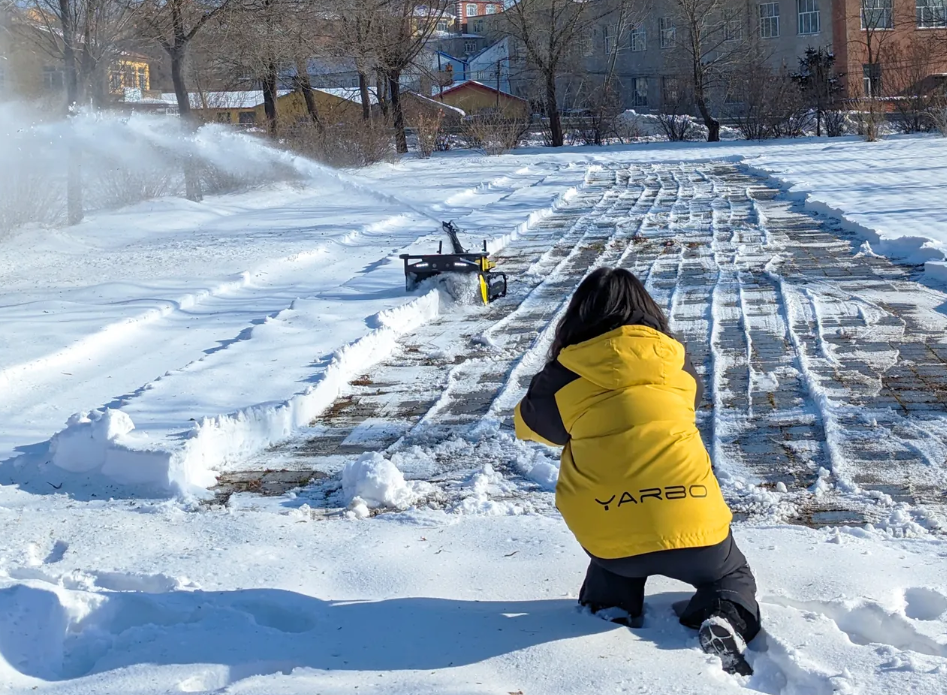
Yarbo manages ice removal through real-time surface analysis, precision control, and smart torque management. Instead of brute force, its intelligent sensors detect compacted ice or sludge and adjust the auger’s power output to dislodge the material gradually.

Unlike traditional snow blowers that can slip or skid on icy ground, Yarbo’s adaptive traction control monitors ground feedback in real-time and redistributes weight or adjusts motor torque when needed. This makes it exceptionally stable, safe, and capable of clearing thick icy sludge without getting stuck or losing control.
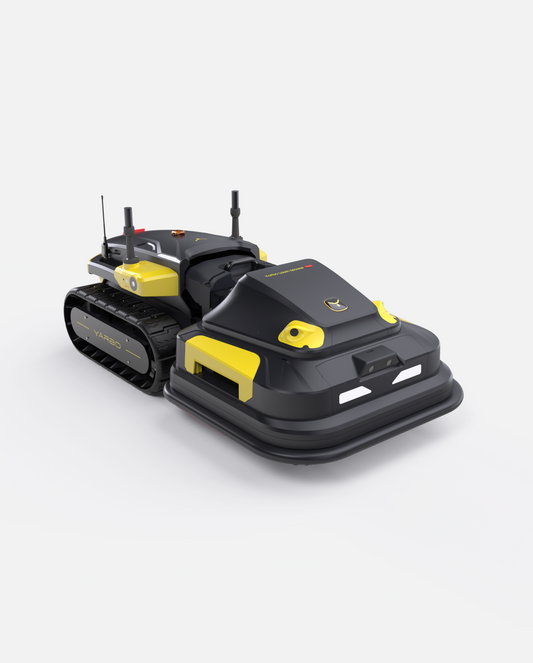
Plow Attachment for Dense or Frozen Snow Layers
This attachment works particularly well after initial snow removal when thin ice or re-frozen layers remain. With the plow connected, Yarbo can scrape off the upper surface and create a clear path for safer movement.
Smart Movement: Handling Stuck or Tough Spots
This methodical approach ensures steady progress without excessive strain on the motor or traction system. It mimics the instinctive “rocking motion” a human operator would use but automated, consistent, and much more efficient.
Together, these innovations adaptive traction, smart power control, and plow-assisted clearance—make Yarbo one of the most capable autonomous machines for snow and ice removal, offering smoother operation and better handling than most competitors in the same category.
Key Technologies Behind Yarbo’s Superior Ice Removal
All-Terrain Tracks and Adaptive Traction Control
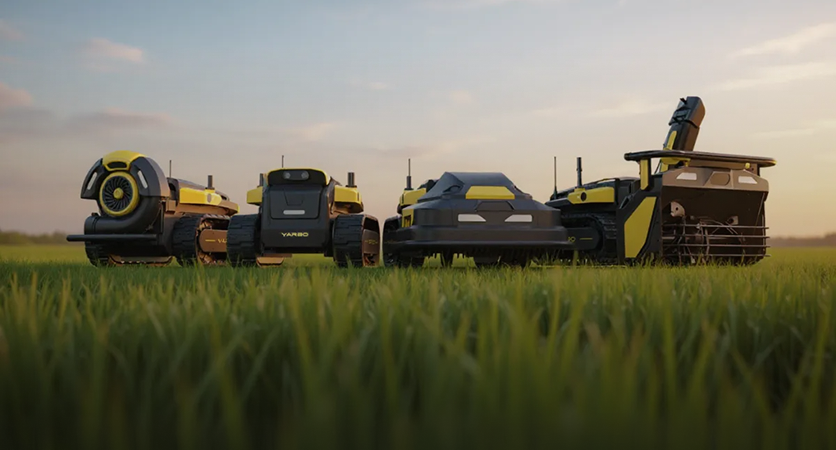
Modular Design for Multi-Functional Use
Performance Comparison: Yarbo vs Conventional Snow Blowers
| Feature | Yarbo Snow & Ice Removal Robot | Traditional Snow Blower |
| Operation | Fully autonomous | Manual |
| Power Source | Electric (battery) | Gasoline |
| Noise Level | Ultra-quiet | Loud |
| Snow Type Handling | Wet, icy, deep snow | Limited to dry snow |
| Maintenance | Minimal | Frequent |
| Cost Efficiency | Long-term savings | High recurring costs |
Cost-Benefit Analysis: Is Yarbo Worth It?
Over five years, the cost per season averages lower than traditional blowers when factoring in repairs, gas, and time saved. Environmentally, it produces zero emissions, aligning with sustainable living goals.
Real User Reviews: What Customers Say About Yarbo’s Ice Removal
Users consistently highlight Yarbo’s efficiency, traction, and reliability as standout features compared to traditional equipment.
Safety Tips for Snow and Ice Removal
-
Keep pets and children away during operation
-
Avoid overloading with wet snow thickness beyond 10 cm
-
Use Yarbo’s safety zone feature to restrict access
-
Always inspect the chute and blades after use

Conclusion: Achieving Unmatched Winter Efficiency
FAQs
-
Can Yarbo remove thick ice layers?
Yes. Yarbo can break down and push away compacted ice or sludge efficiently, depending on the snow thickness. -
How long does Yarbo’s battery last in heavy snow?
Yarbo can operate for up to 2–3 hours of continuous clearing, though actual battery life depends on snow density and temperature. -
Is Yarbo suitable for commercial properties?
Absolutely. It’s designed for large courtyards, parking lots, and long driveways.
-
Does Yarbo require Wi-Fi to operate?
Not necessarily. It can function autonomously via RTK-GPS even without constant Wi-Fi.
-
Can I use Yarbo year-round?
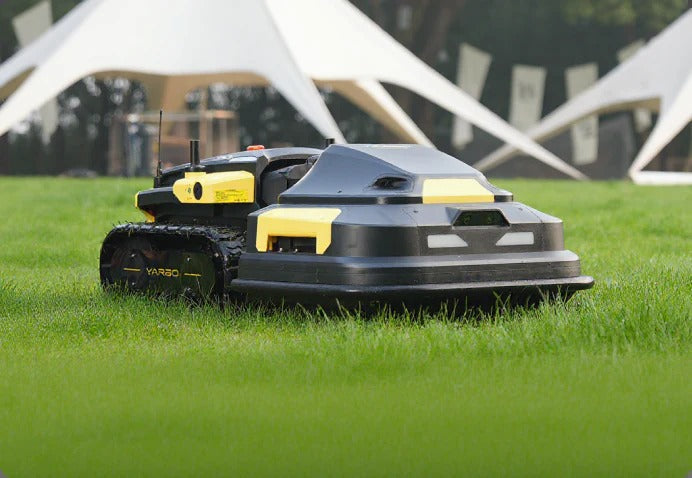
Yes. The modular design allows you to easily swap modules to transform the Core Unit into a lawn mower, trimmer, or blower for other seasons, offering a single, year-round smart investment. -
Is Yarbo safe to use on uneven terrain?
Yes. Its all-terrain track system and sensors ensure stable operation even on slopes and rough surfaces.


Private group · 33.0K members