-
Opt for a clean, dry, well-ventilated shed, garage, or storage area. Avoid damp basements, unventilated metal sheds, or outdoor areas exposed to moisture.
-
Maintain stable temperature — avoid spaces that get extremely hot or cold, or have high humidity. Extreme temperature swings degrade rubber and plastic parts, and accelerate rust.
-
If possible, designate a dedicated winter-gear corner or zone in your storage area to keep your snowblower and accessories organized.
A proper “snowblower shed” environment is one of the most reliable ways to ensure long-term health of your equipment.
Covering and Elevating Your Snowblower
Even in a good shed, it’s smart to take extra protective steps:
-
Use a breathable cover (not plastic tarp) to shield the snowblower from dust, debris, and light moisture. Plastic covers trap condensation and can promote rust.
-
Elevate the snowblower off the ground use wooden blocks, a mat, or pallet to avoid direct contact with concrete or moisture-prone floors, especially if the shed is unheated or might get damp.
These extra precautions help prevent rust and moisture-related issues during months of inactivity.
Why Storing Yarbo Properly Saves Time and Money
Proper snow blower storage isn’t just “doing chores.” It’s:
-
Preventing engine problems and expensive repairs — avoiding gum buildup, carburetor issues, or rust-related failures.
-
Extending equipment lifespan — well-maintained machines last many seasons longer.
-
Ensuring reliability — no surprises when snow strikes; quick start, smooth operation.
-
Saving time and hassle — fewer maintenance headaches, less downtime, lower replacement costs.
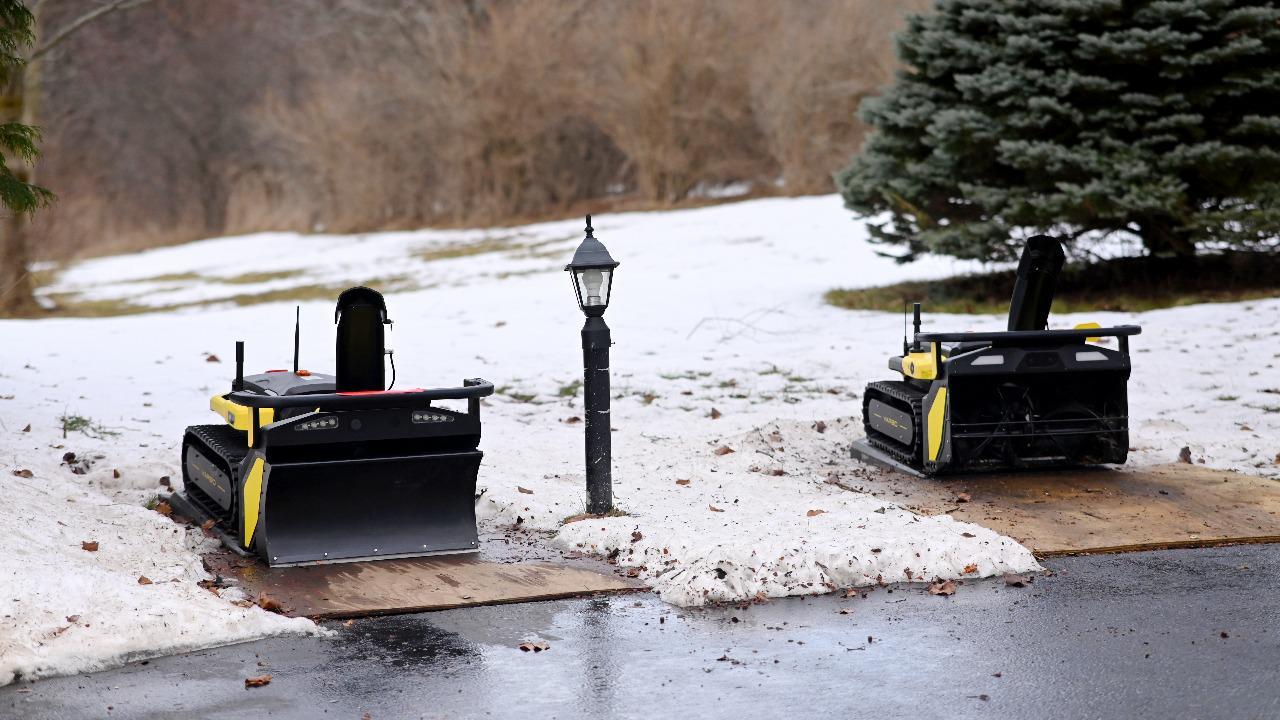
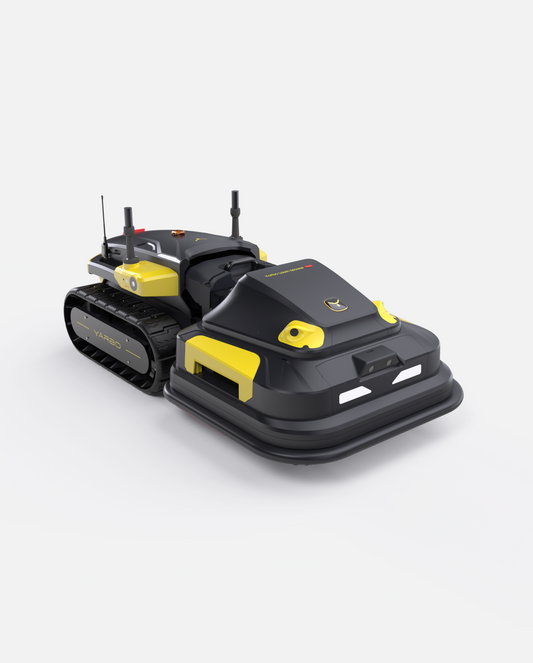
For owners of high-end equipment like Yarbo, proper storage is part of protecting your investment and ensuring it delivers value year after year.
Conclusion
Storing your
snowblower especially a quality one like Yarbo isn’t as simple as “just park it until next winter.” Proper snow blower storage involves cleaning, fuel care, lubrication, rust prevention, and smart storage space selection. Follow the seasonal checklist above, avoid common mistakes, and treat storage as essential maintenance.
Your next steps? As winter wraps up: clean the snowblower, decide on fuel strategy (drain or stabilize), do the maintenance, and move it to a dry, ventilated shed under a breathable cover. Then relax your blower will be ready for the next season.
FAQs
Q1: Can I store my snowblower outside under a tarp?
A1: It’s not recommended. Outdoor storage even under a tarp exposes the blower to moisture, temperature swings, and pests. A breathable cover in a dry, ventilated shed or garage is far safer.
Q2: Should I drain the gasoline or use a fuel stabilizer?
A2: Both are valid draining fuel removes risk of gum formation; using a stabilizer and running the engine ensures smoother startup later. Pick the method compatible with your owner’s manual and local storage conditions.
Q3: Is it necessary to change the oil before storage?
A3: Yes, especially if the blower will be stored for months. Changing oil removes old degraded oil that might cause corrosion and ensures fresh lubrication for next use.
Q4: What happens if I store the snowblower on a damp concrete floor?
A4: Moisture from concrete may lead to rust on metal parts, especially the auger housing and underside potentially damaging components over time.
Q5: How often should I check the snowblower during storage?
A5: It’s wise to check at least once every month: make sure the space is dry, the cover is secure, and there are no signs of rust, pests, or moisture buildup.
Q6: My storage shed is unheated is that okay?
A6: As long as it's dry, well-ventilated, and doesn't get extremely damp, unheated storage is fine. Just ensure you elevate the machine off the floor and use a breathable cover to minimize moisture exposure.
 Skip to content