Table Of Contents
What Counts as Snow Clearing Equipment?
-
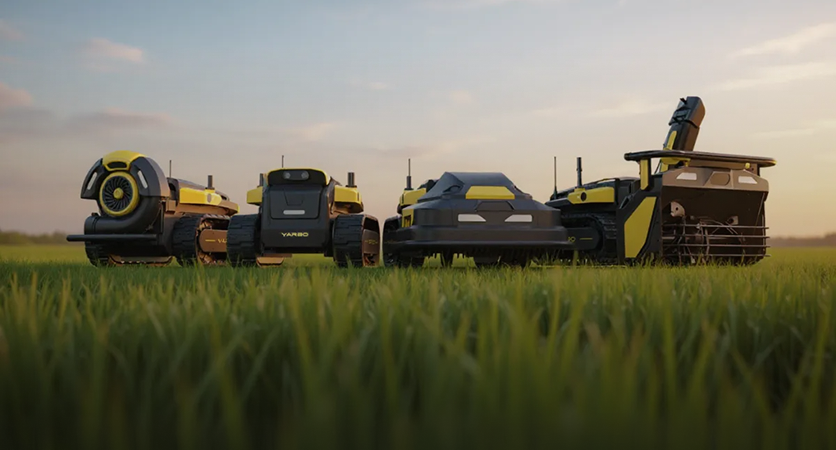
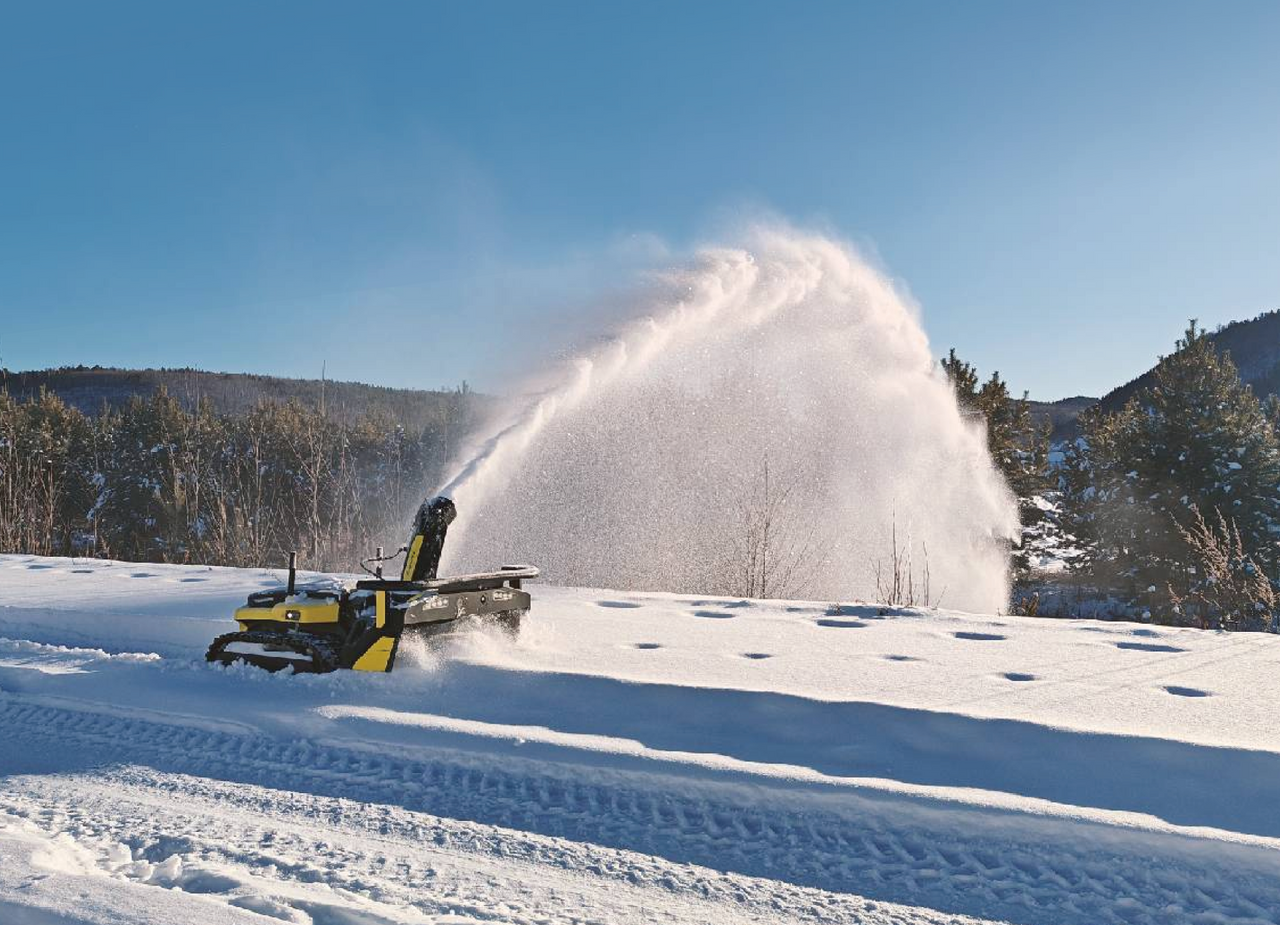
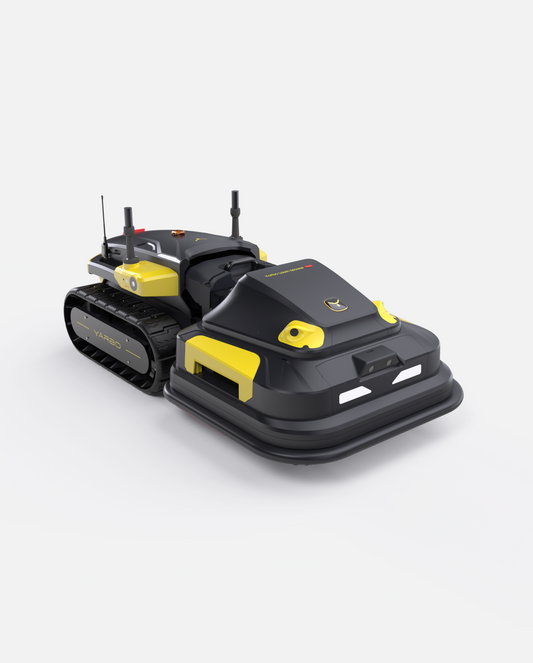
Automatic snow cleaner (robotic or semi-robotic units)
-
Snow blowing machine (electric or gas-powered blowers)
-
Two-stage and three-stage blowers
-
Electric pushers
-
Walk-behind snow throwers
-
Automatic Snow Cleaners
-
Manual Snow Removal (shovel, manual tools, labor-based clearing)
How Automatic Snow Cleaners Work?
-
Scoops or blows snow through an auger mechanism
-
Throws snow several feet away to clear paths
-
Runs on electricity or battery power
-
Some robotic units can be controlled via mobile apps
-
Capable of clearing driveways, sidewalks, patios, and walkways
Pros & Cons of Automatic Snow Clearing Equipment
-
Massive time savings during peak winter
-
No physical strain — no back injuries or slips
-
Consistent, high-quality cleaning even after multiple storms
-
Cost-effective long term compared to hiring workers
-
Works well for larger properties
-
Reduced dependency on salt and chemicals
-
Easy to operate compared to manual tools
-
Higher upfront cost
-
Some machines require routine maintenance
-
Battery units may struggle in extreme cold
-
Not ideal for steep driveways
-
Needs dedicated storage space during off-season
What Does Manual Snow Removal Really Cost?
-
Back injuries
-
Muscle strain
-
Wrist and shoulder damage
-
Risk of slip-and-fall injuries
-
Heart strain during heavy exertion
-
30–90 minutes per session
-
10–30 sessions per winter (depending on region)
-
10–40+ hours of labor per season
Detailed Cost Breakdown: Automatic vs Manual Removal
| Cost Factor | Manual Snow Removal (Shovel/Hired Labor) | Automatic Snow Cleaner (Electric/Robotic) |
| Initial Equipment Cost | Low (Shovel: $10-$50) | High ($1,200-$3,500+) |
| Annual Operating Costs | Labor Fees (if hiring service) or Zero | Low ($5-$20 for electricity per winter) |
| Time Investment (Labor) | 10-40+ hours per season | Near Zero (Fully autonomous operation) |
| Maintenance/Fuel | None (Shovel); High (Hired Labor) | Low (Battery maintenance, cleaning residue) |
| Health Risks | High (Heart strain, back injuries) | Low (No physical strain required) |
| Long-Term ROI | Negative (High cost in health/time) | Positive (Often pays for itself within 1–3 seasons) |
-
Electric snow blowing machines: $250–$900
-
Gas-powered blowers: $700–$1,800
-
Automatic snow cleaners: $1,200–$3,500+
-
Electricity: $5–$20 per winter
-
Fuel (for gas blowers): $10–$40 per winter
-
Maintenance: occasional oil, belts, or lubrication
-
Doctor visits
-
Chiropractic treatments
-
Missed workdays
-
Injury-related expenses
-
Significant time loss
Performance Comparison: Which Method Works Best?
-
Faster clearing
-
More uniform cleaning
-
Better performance in deep snow
-
Stronger snow throwing power
-
Risk of slipping on ice
-
Backbreaking labor
-
Need to shovel late at night or early morning
-
Painful cold exposure
Why Investing in Snow Clearing Equipment Makes Sense
-
Prevents injuries
-
Saves 30–40+ hours per season
-
Boosts property accessibility
-
Works for several winters in a row
-
Adds convenience that manual tools never offer
When Manual Snow Removal Is Still Practical
-
You live in a low-snowfall area
-
You have a small walkway or short driveway
-
You enjoy the physical activity
-
You are on a tight budget
-
Storage space is limited
How to Choose the Right Snow Clearing Equipment?
-
Snowfall frequency
-
Driveway length
-
Budget
-
Machine weight
-
Terrain
-
Storage space
-
Electric vs gas vs robotic units
Tips for Maximizing Your Automatic Snow Cleaner
-
Store indoors during the off-season
-
Clean snow residue after each use
-
Lubricate moving parts before winter
-
Charge batteries properly
-
Avoid overloading the auger
-
Clear obstacles ahead of time


Private group · 33.0K members