Table Of Contents
Introduction to Yarbo’s Steel Snow Chute Technology
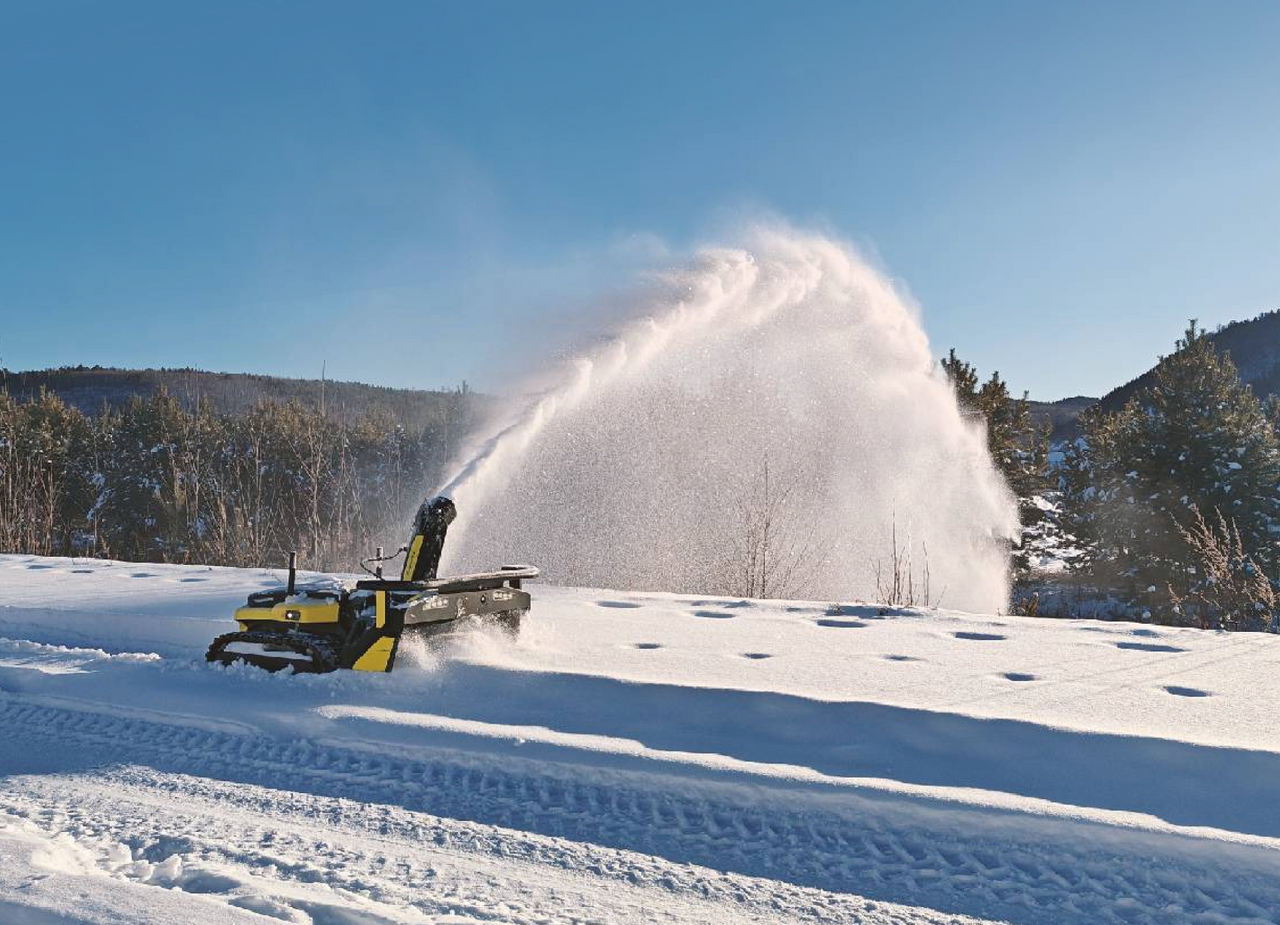
This steel chute ensures that snow is expelled cleanly and reliably, reducing clogging, minimizing downtime, and improving the overall flow of your clearing process. In short: if you’re searching for the best snowblower for heavy wet snow or a snow blower for deep,wet snow, Yarbo’s steel chute solution addresses the core pain point.
Key Features of Yarbo Snowblowers for Wet Snow
-
Steel Snow Chute Construction: Built using Q355 steel, a high-strength material rated for durability and heavy loads. This chute is part of an overall industrial-grade structure featuring a 200+ lb Q355 steel frame, ensuring maximum stability and control.
-
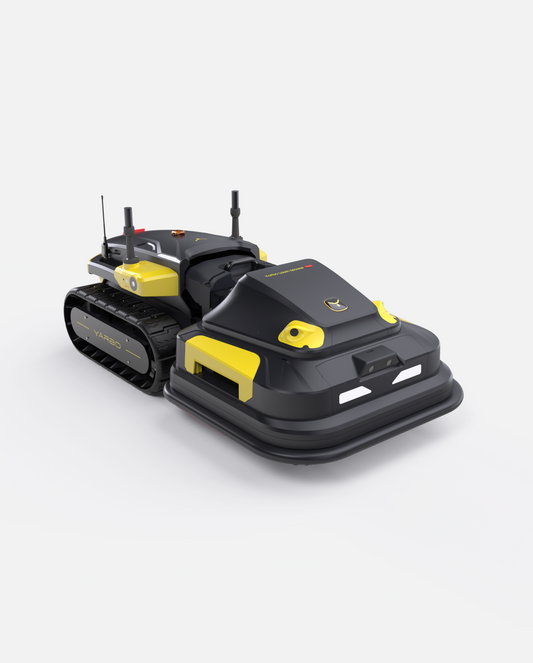
Specialized Wet Snow Response: For challenging conditions like icy slush or snow that becomes heavy after rain, Yarbo offers an optional solution: the Plow Blade Module. This module efficiently tackles slush scenarios and is highly energy efficient, sometimes consuming only 6% of the battery to complete the task.
-
Dual-Stage Power: Yarbo utilizes a two-stage design that breaks up heavy or wet snow, icy sludge, and packed snow efficiently before expelling it far away.
-
Precision Chute Control: One model offers chute rotation from -10° to 190° and deflector angle control from -5° to +50°. This gives you precise control via the app to direct snow exactly where you want it, preventing it from being tossed back onto cleared paths or neighbor’s yards, which avoids rework and potential disputes.
-
Automated Anti-Freeze Function: The chute is designed for cold-weather endurance, featuring an automatic function where the chute rotates periodically to prevent ice build-up and freezing, ensuring the mechanism is always ready to operate.
-
Throwing Distance: The throwing distance reaches up to 40 feet in the specifications of certain Yarbo models, enabling you to clear out wider areas and avoid piling snow where it's in the way.
-
Clog-Resistant Chute Geometry: The steel chute, combined with its specialized geometry and coating, actively reduces sticking and build-up, which is essential when working with wet snow that tends to accumulate and clog lesser machines.
How Steel Snow Chute Enhances Snow Removal Efficiency?
-
The snow flows more smoothly through the system less drag, less build‑up.
-
You get farther throw distance, which means fewer passes and less time clearing.
-
The robust chute resists deformation or damage, so you’ll have consistent performance across many seasons.
-
Because the chute doesn’t become a weak point, you avoid bottlenecks in the clearing process especially when clearing deep snow. For a deep snow blower, that’s a major plus.

Choosing the Right Snow Blower for Heavy Wet Snow
| Consideration | Why It Matters | Yarbo Alignment |
| Construction materials | Wet snow adds weight and pressure; weaker materials may fail or warp. | Yarbo uses Q355 steel for chute and heavy‑duty components. |
| Throw distance and clearing width | Wider clearing and farther throw reduce passes and leave space for snow piles. | Yarbo’s specs show throw up to 40 ft and clearing widths suited for residential driveways. |
| Chute control / direction | You need to direct snow safely and avoid blowing into unwanted areas. | Yarbo offers chute rotation from –10° to 190° and deflector angle adjustability. |
| Power and two‑stage capability | Tough, wet snow often requires a more powerful system to break through. | Yarbo models mention “2‑stage” and heavy‐duty design. |
| Maintenance and durability | It should perform season after season with minimal downtime. | Steel chute and robust build suggest lasting value. |
- Is the chute durable?
- Is it steel or a weaker material?
- How far can it throw snow?
- How much power does it bring?
Comparing Steel vs Plastic Snow Chutes
-
Steel chute: High durability; resists bending or cracking under heavy loads; better heat dissipation (important if your equipment runs for long periods); less likely to accumulate waxy wet‑snow residue because it keeps its structural tolerance.
-
Plastic chute: Often less expensive, but more prone to warping or breaking when challenged by heavy wet snow; may flex under load, which reduces throw efficiency; could degrade faster under UV or cold conditions.
Safety Considerations for Using Snowblowers
-
Ensure the area is clear of debris or hidden objects wet snow can mask hazards.
-
Always use the machine according to manufacturer instructions and wear protective gear (gloves, eyewear, sturdy boots).
-
Regularly inspect the chute and discharge path; because wet snow is heavier, misdirection or blockage can lead to sudden shifts or mechanical strain.
-
Never attempt to clear a clogged chute while the machine is running. Stop the device, disconnect power, then safely remove any build‑up.
-
Especially with steel chutes, ensure that any deflector adjustments are locked or secure before operation.
Troubleshooting Common Snowblower Issues
-
Chute clogging despite steel construction: Clear any residual snow or ice accumulation after each pass, adjust deflector angle to increase throw, and check that the chute rotation mechanism is moving freely.
-
Uneven throw or mis‑direction: Ensure that the chute rotation angle and deflector are set properly; re‑align if necessary.
-
Machine struggles in wet snow: Verify that the auger and impeller (or equivalent mechanism) are not worn; heavier load may require slower passes and multiple passes.
-
Excess vibration or abnormal noise: Inspect steel chute and surrounding mounts for damage or looseness steel doesn’t guarantee “no maintenance,” it just gives a stronger foundation.
-
Reduced clearing width or capacity: Clean off ice build‑up around auger, chute entrance and wheels/tracks; inspect drive system if the machine seems tired.

Maintenance Tips for Yarbo Snowblowers
-
Clear the chute after use: Wet snow tends to stick. After each use, turn off the machine and remove any build‑up from the chute and deflector.
-
Lubricate moving parts: Even with durable materials, hinges and rotation mechanisms for the chute should be greased to avoid rust or stiffness.
-
Inspect for damage: Because you're working with heavy loads, periodically check the steel chute for any dents or warping. Addressing damage early keeps clearing performance high.
-
Store sheltered: When winter is over, store your equipment in a dry place to prevent corrosion or rust on the steel chute.
-
Use the correct settings: If your model allows, adjust the chute deflector and rotation to optimize throw distance—this avoids unnecessary load and prolongs life.
-
Regular service: Ensure belts, augers and other components are in good condition. A solid chute doesn’t make up for a degraded powertrain.


Private group · 33.0K members