Potential Drawbacks of Robot Lawnmowers
No product is perfect, and robot lawnmowers come with a few limitations worth considering.
Upfront Cost Considerations
Robot lawnmowers can be more expensive than standard push or riding mowers. However, when factoring in fuel, maintenance, and time saved, the cost balances out over several years.
Performance on Different Terrains
While many robot lawnmowers can handle slopes and uneven ground, very complex terrains with obstacles may require high-end models.
Limitations in Handling Wet Grass
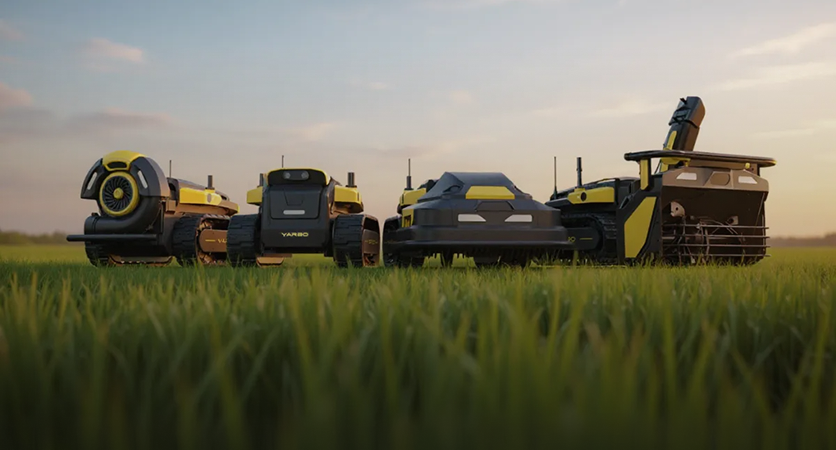
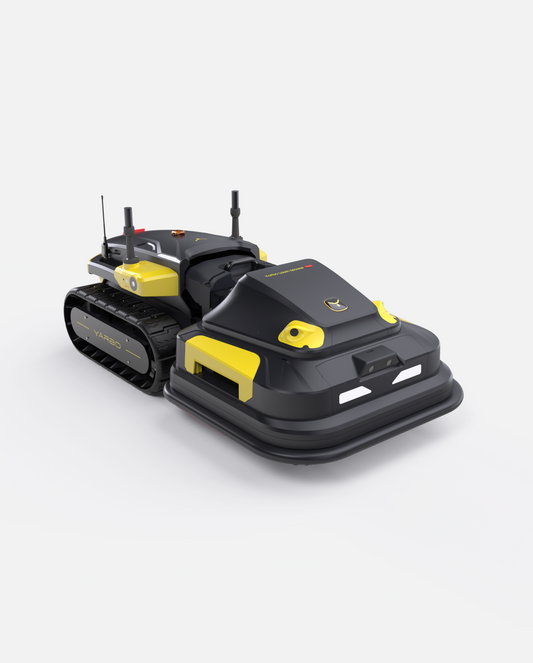
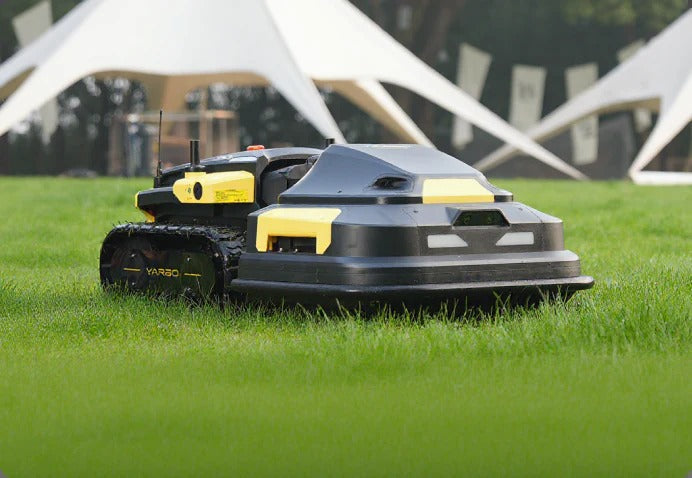
One of the biggest questions is: can you mow a wet lawn with a robot lawnmower? While some models can attempt it, mowing wet grass often leads to clogging, uneven cuts, and potential damage to both the mower and your lawn. However, the Yarbo Lawn Mower Pro is specifically designed to handle tall, thick, wet, or overgrown grass with ease, preventing clogging and providing efficient, clean trims even in challenging conditions.
Can You Mow a Wet Lawn With Robot Lawnmowers?
This is one of the most common concerns among homeowners.
Risks of Cutting Wet Grass
-
Grass clumps together, leaving uneven patches.
-
Wet clippings stick to blades, reducing efficiency.
-
Lawn roots can be damaged due to soil compaction.
-
Increased risk of slipping or mower malfunction.
Best Practices for Wet Lawn Mowing
-
Wait until the lawn is dry before operating your robot lawnmower.
-
Install rain sensors that stop mowing when it rains, or rely on Yarbo's smart automation with weather sensors and an IPX5/IPX6 waterproof rating for operation in diverse conditions.
-
Raise blade height slightly if the grass is damp. "In short, while some robot lawnmowers may attempt mowing wet grass, it’s best to avoid it whenever possible with standard models. For optimal results and reliability in less-than-ideal conditions, investing in a robust system like the Yarbo Lawn Mower Pro, built to handle such challenges, is recommended."
In short, while some robot lawnmowers may attempt mowing wet grass, it’s best to avoid it whenever possible.
Choosing the Right Robot Lawnmower for Your Yard
Yard Size and Complexity
Small to medium yards work well with entry-level models, while large or complex lawns benefit from advanced models with GPS navigation.
Smart Navigation and Mapping Features
Look for robot lawnmowers that create maps of your yard, ensuring no section is left unmowed.
Safety and Security Options
PIN codes, alarms, and GPS tracking help protect your investment.
Comparing Robot Lawnmowers vs Traditional Lawn Mowers
Cost over time
robot lawnmowers have higher initial costs but lower operating expenses compared to gas mowers. A fully equipped Yarbo (Core + mower, snow, blower modules) can range from $6,999 to $9,700, but it replaces at least three major machines and can recoup its cost within 2-3 years through savings on contractor fees or multiple separate equipment purchases. This makes it a long-term economical solution:
Manual Effort vs Automation
Traditional mowers require physical work, while robot lawnmowers handle the task automatically, saving energy and time.
Cost Comparison With Professional Services
-
Professional Lawn Care Services typically cost between $50–$100 per visit, depending on yard size and frequency. Over a full mowing season, this can add up to $2,000–$3,500 annually.
-
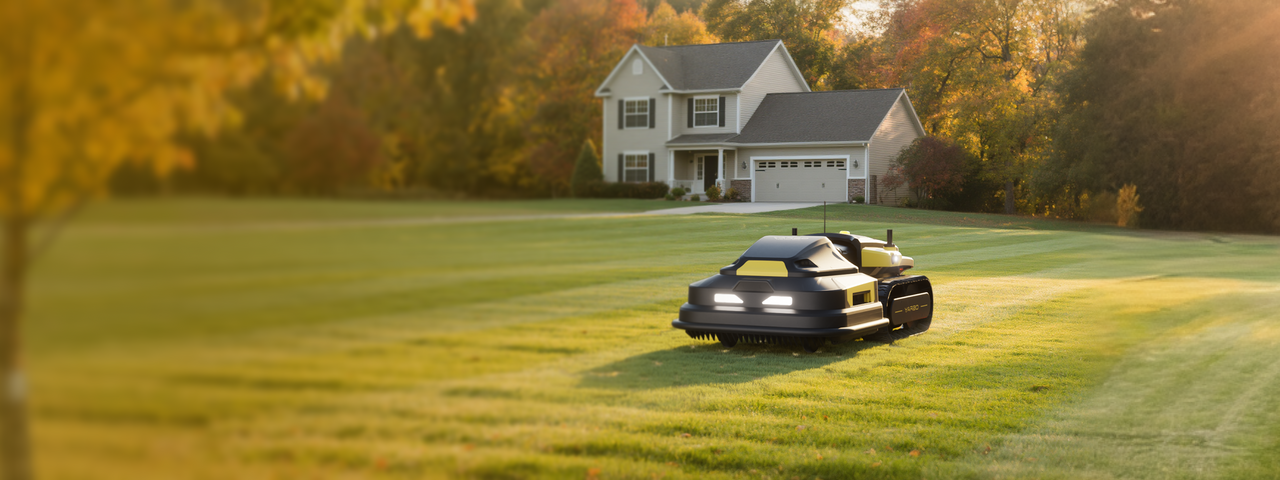
A robot lawnmower, like Yarbo, involves a higher upfront investment but can replace these recurring costs, paying for itself within 2–3 years.
-
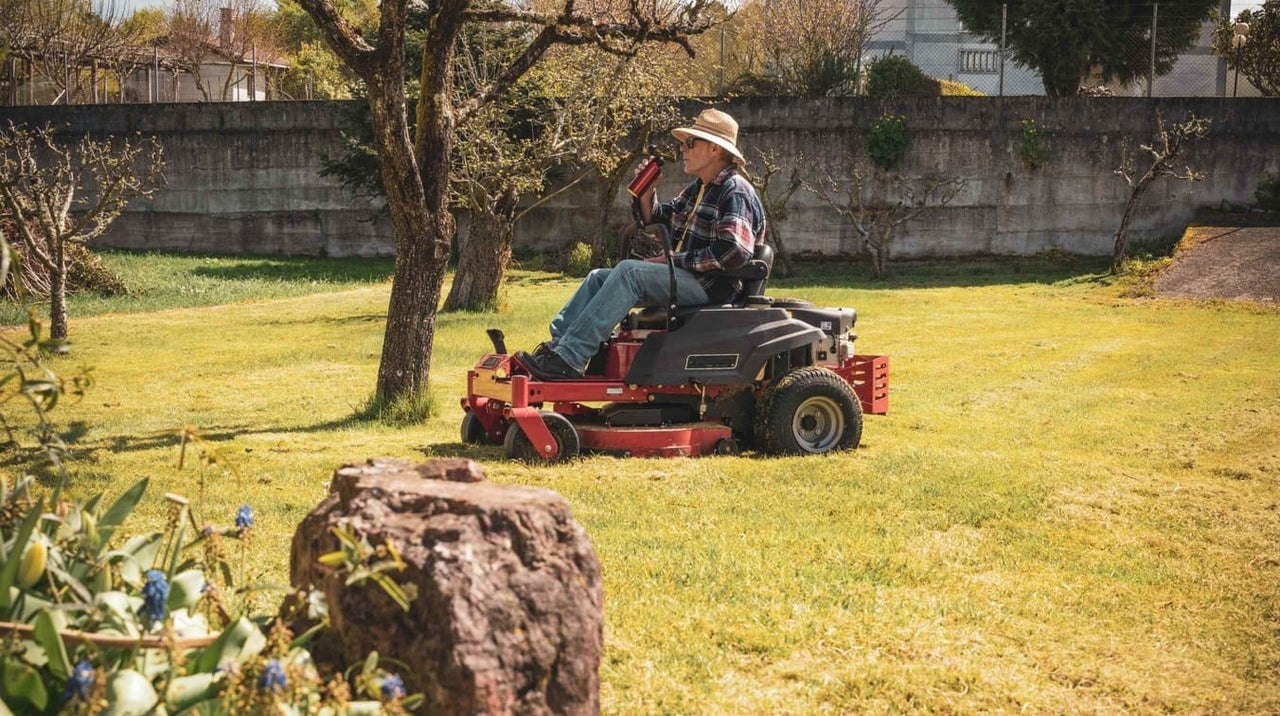
Traditional mowers are cheaper upfront but still require fuel, maintenance, and personal time — and if the homeowner doesn’t want to mow, they’ll end up hiring a service anyway.
Cutting Precision and Edge Handling
With professional services, you’re dependent on their schedule, which may not always align with your needs.
Robot mowers give you the freedom of a perfectly maintained lawn 24/7, on your terms, without waiting for a crew.
Traditional mowers require you to dedicate time and effort every week.
Quality and Precision
-
Professionals often deliver clean cuts and handle edges and trimming with skill.
-
Robot mowers, especially advanced ones like Yarbo, deliver consistent, frequent mowing that keeps grass healthier. Some edge work may still need manual attention, though robotic edging solutions are emerging.
-
Traditional mowers depend on the user’s skill, effort, and consistency — which can vary.
Conclusion
A
robot lawnmower is an excellent investment for homeowners who value convenience, consistency, and eco-friendly lawn care. While they may struggle with wet grass and require an upfront investment, the time saved and long-term cost benefits make them a strong choice.
If you’re wondering whether to upgrade, consider your yard size, terrain, and lifestyle. For most households, a robot lawnmower isn’t just a gadget—it’s a game-changer.
FAQs About Robot Lawnmowers
Q1: Do robot lawnmowers work on uneven ground?
Yes, most can handle mild slopes, though extreme terrains may need premium models. Yarbo, with its patented all-terrain tracks, can easily climb slopes up to 35° (70%) and navigates uneven ground, bumps, and roots effectively.
Q2: How long do robot lawnmowers last?
With proper maintenance, robot lawn mowers typically last 8–10 years. Usage frequency affects parts like the battery (usually 2–4 years) and blades, but the main unit itself is built for long-term durability.
Q3: Can I leave a robot lawnmower outside?
Yes, but it’s better to keep it in a docking station with a shelter.
Q4: Do robot lawnmowers need Wi-Fi?
Not always. Many models run offline, but Wi-Fi enhances remote control. Yarbo uses RTK-GPS navigation which does not strictly require internet for signal reception, but connectivity (4G, Wi-Fi, Bluetooth) enhances remote control, updates, and communication with the cloud.
Q5: How much does a good robot lawnmower cost?
Prices range from $800 to $4,000 depending on features and yard size.
Q6: Can you mow a wet lawn with a robot lawnmower?
Technically yes, but it’s not recommended due to potential grass and mower damage. However, the Yarbo Lawn Mower Pro is specifically designed to handle tall, thick, wet, or overgrown grass with ease, preventing clogging.
 Skip to content