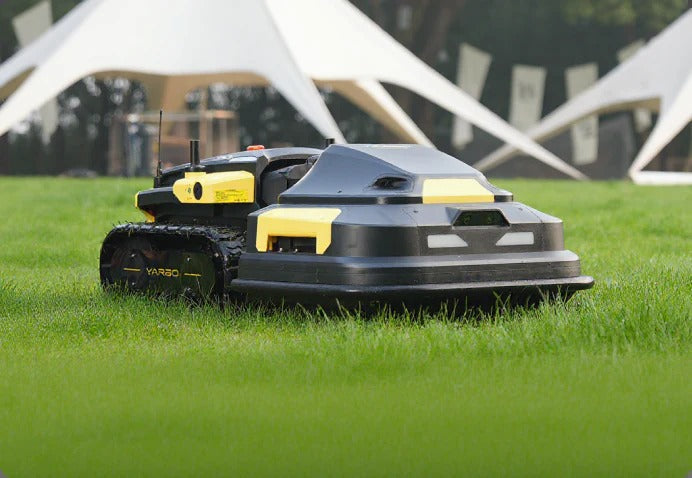
Yarbo’s Smart Alternative: The Future of Snow Clearing
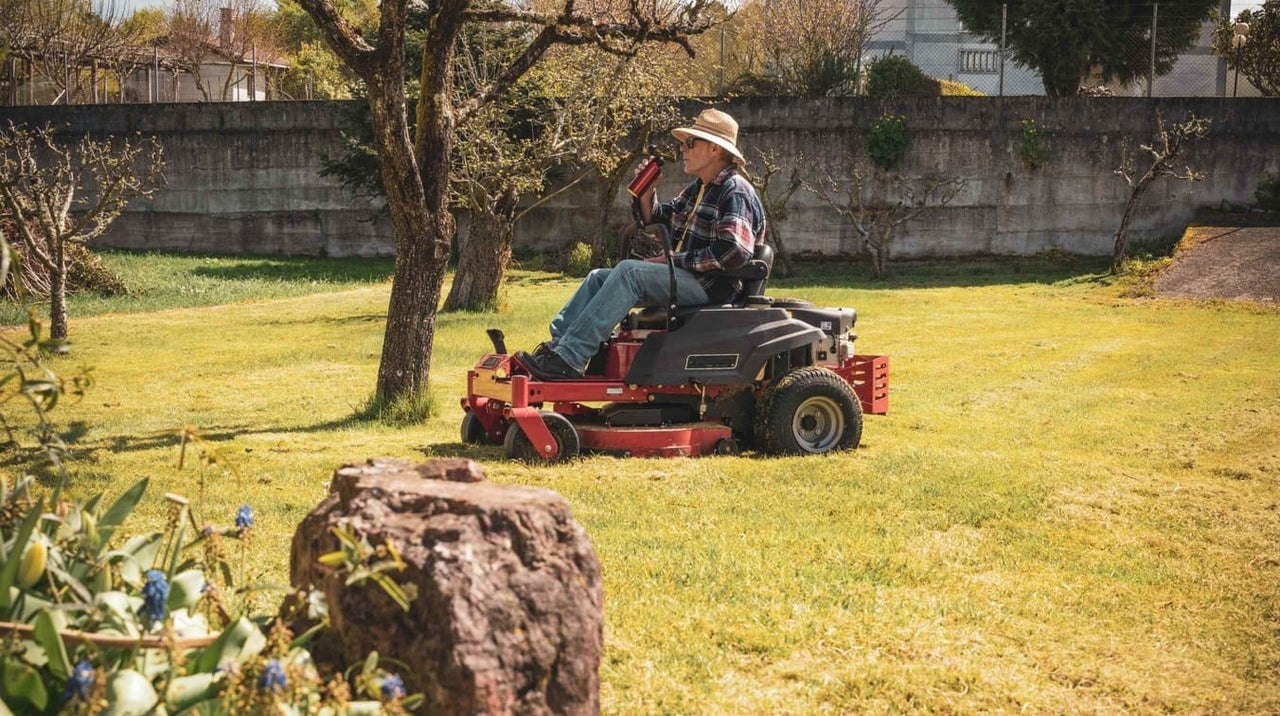
Traditional machines require regular snowblower maintenance, fuel, and repairs. For homeowners with large driveways and complex yards, this becomes time-consuming and costly.
Yarbo’s Smart Alternative: The Future of Snow Clearing
Traditional machines require regular snowblower maintenance, fuel, and repairs. For homeowners with large driveways and complex yards, this becomes time-consuming and costly.
No manual pushing or pulling. Yarbo uses RTK-GPS, binocular cameras, IMU, and ultrasonic sensors for centimeter-level precision navigation and 360° obstacle detection, even in complex terrains like slopes up to 35° (70% grade). It automatically creates snow-clearing plans based on real-time weather updates and scheduling functions, allowing it to start cleaning immediately as snowfall begins to prevent accumulation, ensuring roads remain clear. No perimeter wires are needed, simplifying setup and operation.
Electric-powered, with fewer moving parts, and no gas or oil. This means no fuel stabilizers, no carburetor issues, and significantly reduced routine maintenance compared to gas models. Its IPX5 waterproof rating and extreme temperature resilience (-25°C to 45°C), with heating modules enabling operation as low as -40°C when powered on, ensure durability in harsh winter conditions. The wireless auto-charging system further simplifies its operation and enhances safety, avoiding direct contact and reducing the risk of electric shock.
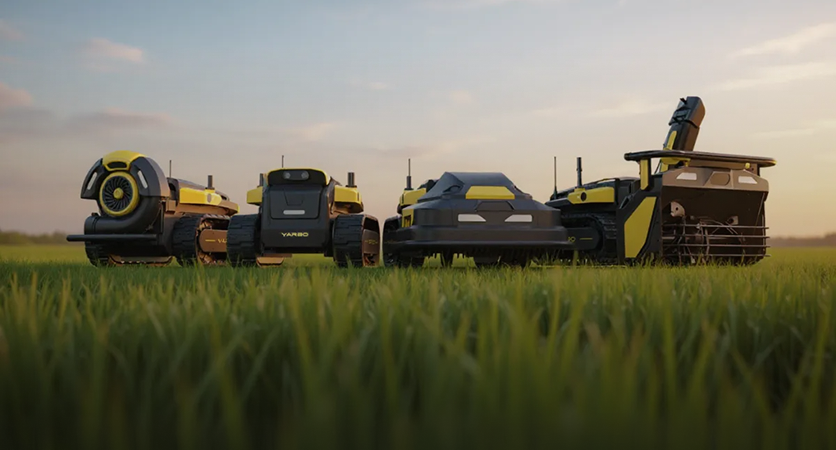
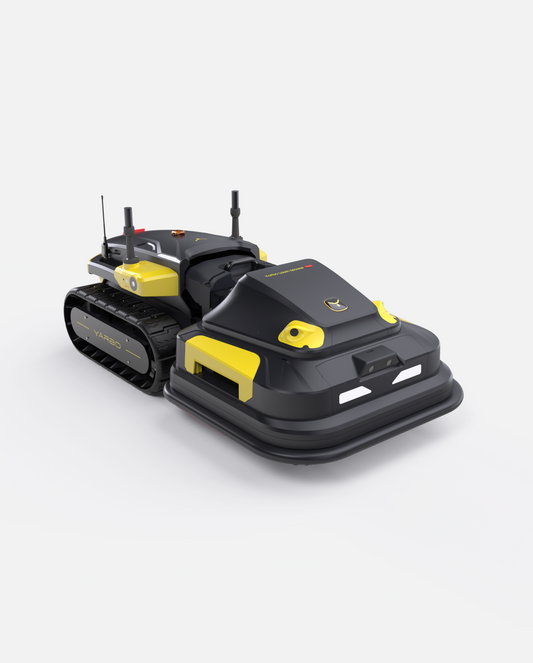
Switch between snow blowing, lawn mowing, and leaf blowing with one base unit. The Yarbo Core is the central hub, seamlessly integrating with various functional modules for year-round yard maintenance. This modular design not only reduces equipment purchase costs but also saves storage space, offering multiple uses with one machine, eliminating the need for multiple standalone tools.
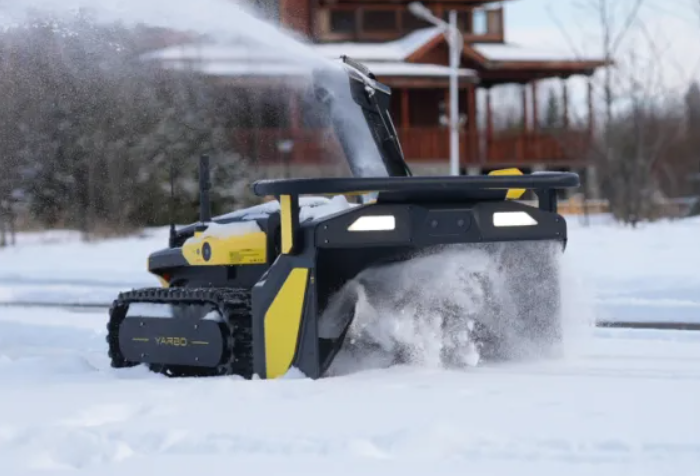
Built for the kind of snow clearing ride-on blowers are used for, but without the manual effort. The Yarbo Snow Blower module is a two-stage snow thrower capable of clearing up to 12 inches of snowfall in a 21-24 inch wide path, throwing snow up to 40 feet away. Its unique Slope Pattern algorithm and snow track design optimize angles, reduce slippage, and enhance traction on steep driveways up to 36% (21°). It can also cope with various complex driveways and snow conditions, including gravel driveways with customizable height (maximum ground clearance of 2 inches) and a durable metal snow chute that can effectively withstand accidentally entering gravel. It efficiently handles fluffy dry snow, heavy wet snow, and compacted snow.
Yarbo incorporates up to eight protection mechanisms, including automatic identification and avoidance of people, pets, and vehicles through app notifications. It is also equipped with an Emergency Stop Button, binocular rear camera, bumper, voice notification, side camera, warning light, and binocular front cameras, providing all-round safety during use, even in low-light environments.
While a premium investment, Yarbo can pay for itself in a few years by eliminating contractor fees and consolidating multiple seasonal tools into one system. It offers significant savings compared to purchasing separate commercial-grade equipment or hiring services for large properties.
By choosing Yarbo, you’re not just avoiding constant snow blowers repair—you’re upgrading to a smarter, all-season yard solution.
By choosing Yarbo, you’re not just avoiding constant snow blowers repair—you’re upgrading to a smarter, all-season yard solution.
Final Thoughts on Snow Blower Maintenance
A snow blower is an investment, and like any machine, it needs care to deliver peak performance all winter. With regular
snowblower maintenance, quick fixes, and smart storage habits, you can avoid breakdowns and extend
lifespan of a snow blower.
But if you’re tired of constant servicing and heavy labor, Yarbo offers a next-generation alternative—turning yard care into a fully automated, hassle-free experience.
FAQs
1. How is Yarbo better than a traditional snow blower?
Yarbo eliminates manual work, fuel maintenance, and repair hassles associated with traditional snow blowers by offering a fully robotic, low-maintenance, electric solution. Its modular design also provides year-round yard solutions, seamlessly transitioning between snow blowing, lawn mowing, and leaf blowing with a single base unit. It is designed for large and complex yards, offering superior safety, all-terrain adaptability, and convenience for homeowners.
2. How often should I perform snowblower maintenance?
Do a full inspection before the season, light checks every 5–6 uses, and a post-season tune-up.
3. What is the most common snow blowers repair issue?
Starting problems, usually from stale fuel or spark plug issues.
4. Can I use old gas in my snow blower?
No—old gas leads to carburetor clogs and poor performance. Always use fresh fuel with stabilizer.
5. How long do snow blowers last with proper maintenance?
On average, 10–15 years, depending on usage and upkeep.
6. How is Yarbo better than a traditional snow blower?
Yarbo eliminates manual work, fuel maintenance, and repair hassles while offering modular, year-round yard solutions.
 Skip to content