Check tire pressure before storage, since deflated tires can crack over time. If your blower has a battery, disconnect and store it indoors in a climate-controlled environment. Finally, spray the auger housing with a rust-preventive coating or silicone spray. This not only protects against rust but also prevents snow from sticking during use.
These small details often separate a blower that starts instantly from one that requires hours of troubleshooting.
Common Pitfalls When Storing Snowblower
Even seasoned homeowners make mistakes with snow blower maintenance. Some of the most common include:
-
Leaving untreated fuel in the tank
-
Storing the blower uncovered in damp areas
-
Neglecting oil changes for multiple seasons
-
Using hands to clear clogs instead of a clean-out tool
-
Forgetting to lubricate moving parts before storage
Each of these errors shortens your machine’s lifespan and makes it less reliable. Avoiding them ensures your investment lasts for many winters.
Yarbo's Year-Round, Hands-Free Yard Care
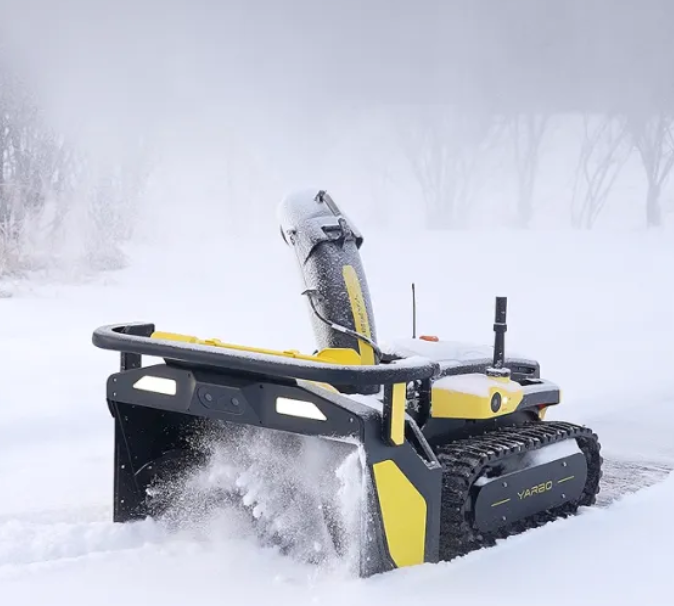
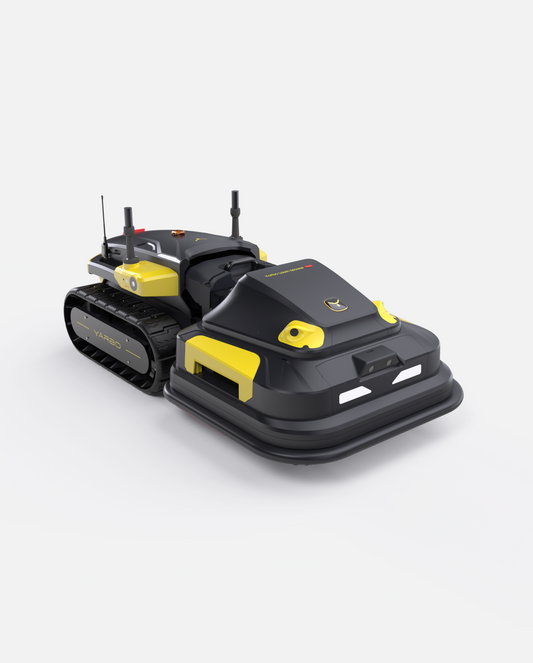
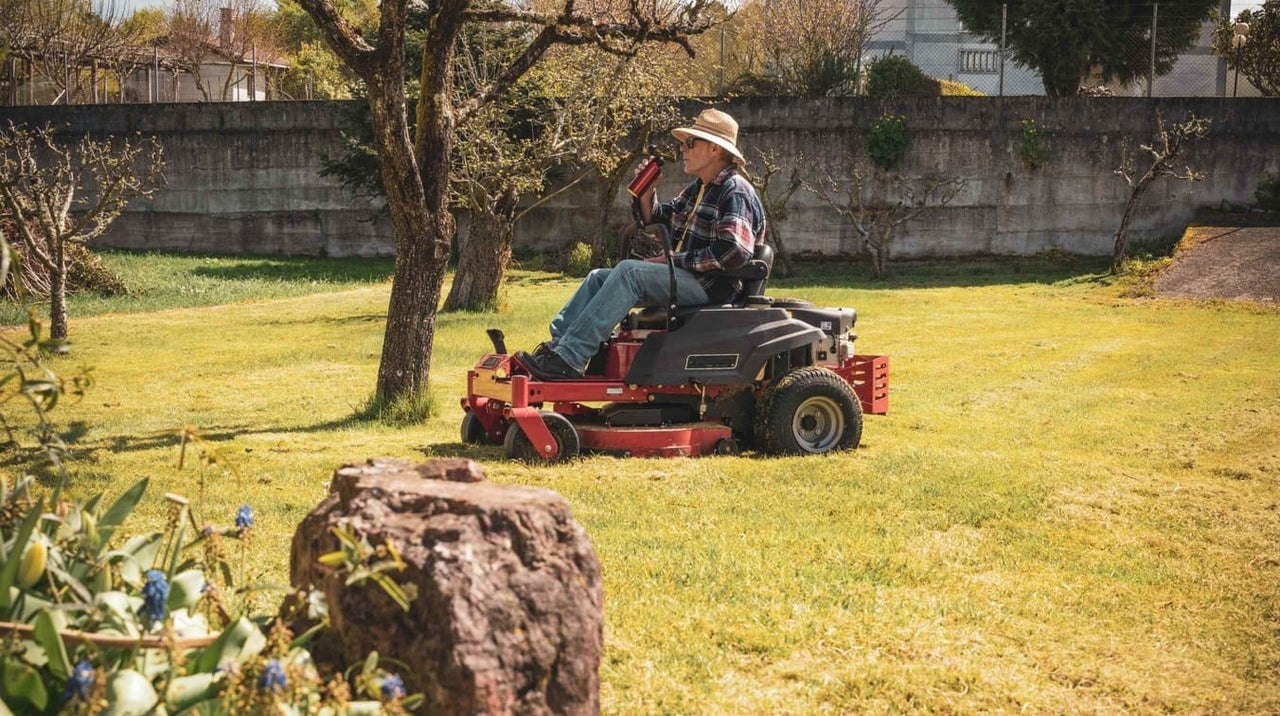
Beyond just simplifying winter storage, Yarbo is engineered for intelligent automation and year-round versatility. Its wireless automatic charging system avoids direct contact, enhancing safety and efficiency. Once the snow blower module is stored, you can quickly switch to the lawn mower or leaf blower module on the same Yarbo Core unit. This means your investment works for you across all seasons, from clearing snow and leaves to meticulously mowing up to 6 acres.
Users like @RCSparks Studio have noted, 'The Yarbo Snow Blower doesn't just clear snow - it redefines what's possible. Its advanced design and chilling intelligence are equal parts inspiring and eerie...'.
With Yarbo, you're not just buying a tool; you're investing in peace of mind, independence, and efficiency for your property.
Conclusion
Learning
how to use a snow blower, understanding storing snowblower best practices, and knowing how to winterize a snow blower are three essential skills for every homeowner. When done right, your machine will last longer, start faster, and perform more efficiently when the next snowstorm hits.
Instead of struggling with clogs, dead batteries, or stale fuel, you’ll enjoy peace of mind knowing your snow blower is well-prepared. Proper care today ensures smooth, hassle-free winters tomorrow.
Frequently Asked Questions (FAQs)
Q1. How do you use a snow blower correctly?
To use a snow blower effectively, start by clearing obstacles, setting the proper chute direction, walking firmly behind the machine, and moving at a consistent pace.
Q2. What’s the best way to storing snowblower during off-season?
Store your snowblower in a dry, covered area, draining or stabilizing fuel, cleaning components, and using a breathable protective cover.
Q3. How do you winterize a snow blower before storing it?
Winterizing involves cleaning off salt and debris, draining or stabilizing fuel, changing oil, checking spark plugs, belts, auger, and skid shoes, then storing with care.
Q4. Can improper winterizing affect how to use a snow blower next season?
Yes—neglecting winterizing can cause clogging, hard starts, wear on engine components, and reduced performance, impacting safe and efficient use.
Q5. How often should you check and replace belts and spark plugs when storing a snow blower?
Check them before storing each season; replace if cracked, frayed, corroded, or worn to ensure easy operation next winter.
Q6. Is there a recommended order among using, storing, and winterizing tasks?
Yes—first use the snow blower normally; after final use, clean it, then winterize using systematic steps before storing.
 Skip to content