| Tool |
Purpose |
| Rake |
Removes debris and thatch |
| Aerator |
Relieves soil compaction |
| Lawn Spreader |
Evenly applies seeds and fertilizer |
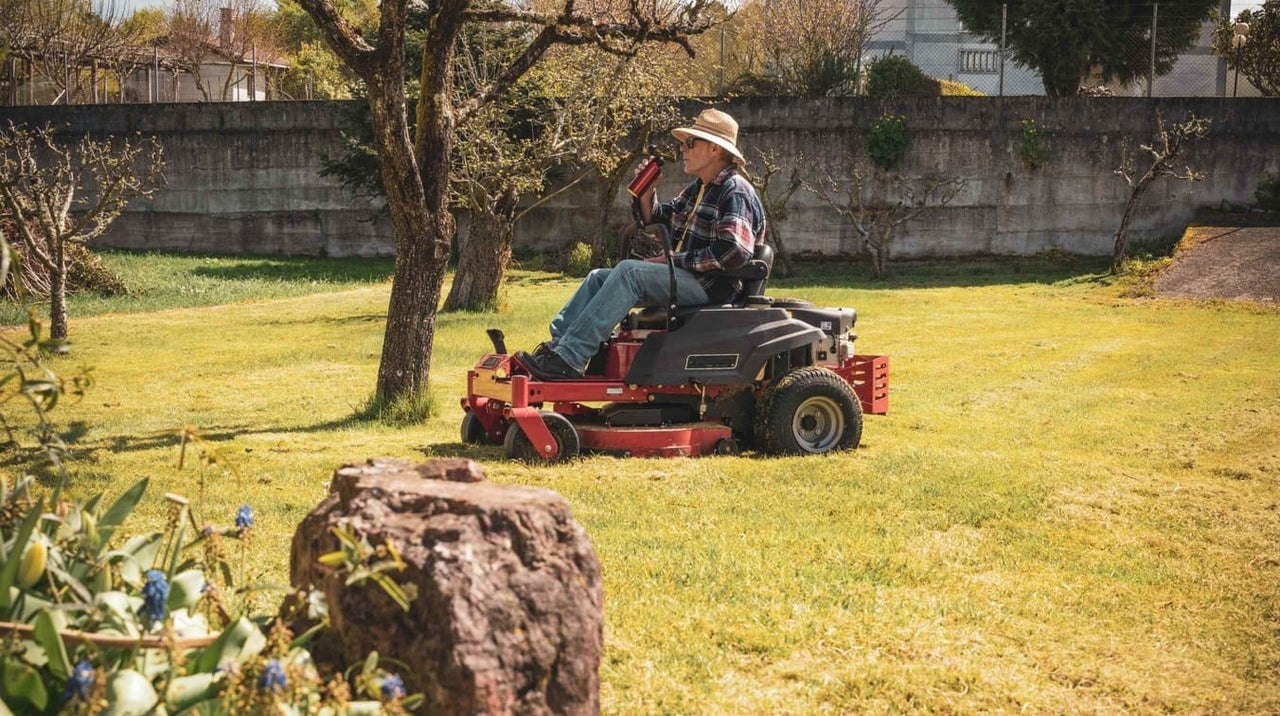
| Mower |
Maintains grass height |
| Sprinkler |
Ensures consistent watering |
| Soil Test Kit |
Determines pH and nutrient needs |
Common Mistakes to Avoid During Spring Treatment
Spring is the perfect time to bring your lawn back to life but it’s also when small missteps can lead to long-term lawn problems. Avoiding these common mistakes can make a major difference in how healthy, green, and resilient your grass becomes throughout the growing season.
-
Starting too early when soil is still wet: Many homeowners are eager to get started, but working the soil too soon after winter can cause compaction and root damage. Wait until the ground has fully thawed and dried enough that footprints don’t leave deep impressions.
-
Over-fertilizing or double-applying herbicides: More isn’t always better. Excess fertilizer can burn your grass and cause nutrient runoff, while overlapping herbicide applications may harm beneficial plants. Always follow label directions and use balanced, slow-release fertilizers for even growth.
-
Skipping aeration in compacted soils: After months of foot traffic or snow cover, soil often becomes dense, restricting oxygen and nutrient flow to the roots. Aeration relieves compaction, encourages root expansion, and helps fertilizers absorb more effectively.
-
Ignoring drainage or shaded spots: Uneven growth, patchy grass, and moss buildup are signs that certain areas aren’t getting enough light or proper drainage. Address these issues by trimming nearby trees, improving soil grading, or adding drought- and shade-tolerant grass varieties.
-
Using dull mower blades: Dull blades tear grass instead of cutting it cleanly, leading to frayed tips that turn brown and make your lawn more prone to disease. Sharpen blades at least twice per season to ensure a precise cut and a healthier appearance.
-
Neglecting soil testing before treatments: Without a soil test, you’re guessing what nutrients your lawn actually needs. A quick test helps you identify pH imbalances and nutrient deficiencies so you can tailor fertilizer applications effectively.
-
Failing to water deeply after treatments: Fertilizer and weed control products work best when followed by proper watering. Shallow watering encourages weak roots, while deep, infrequent watering promotes stronger, drought-resistant grass.
Learning from these mistakes ensures that each spring season builds upon the last, giving your lawn a stronger root system, better color, and long-lasting vitality.
Conclusion
Rejuvenating your lawn in spring is a rewarding ritual that sets the tone for a beautiful yard year-round. With the right
spring treatment for lawns, including aeration, overseeding, fertilization, and consistent care, your grass will thrive with renewed vigor and color.
FAQs
1. When should I start spring lawn treatment?
Begin once soil temperatures stay above 50–55°F, and the grass shows early growth signs.
2. Can I fertilize and overseed at the same time?
Yes—but only with a mild, starter fertilizer designed for new grass.
3. How often should I mow in spring?
Mow weekly, but frequency depends on grass growth. Never cut more than one-third of the height at once.
4. What’s the best fertilizer ratio for spring?
Use a balanced mix (10-10-10) for general health or high-nitrogen formulas for rapid green-up.
5. How can I prevent weeds naturally?
Thick turf, regular mowing, and compost topdressing reduce weed competition.
6. Should I water newly seeded areas differently?
Yes—keep soil consistently moist but not soggy until seeds sprout.