Table Of Contents
Table of Contents
Why Weed and Pest Control Is Essential for a Healthy Lawn?
-
Weeds compete for nutrients, sunlight, and water with your grass.
-
Pests attack roots, causing hidden damage.
-
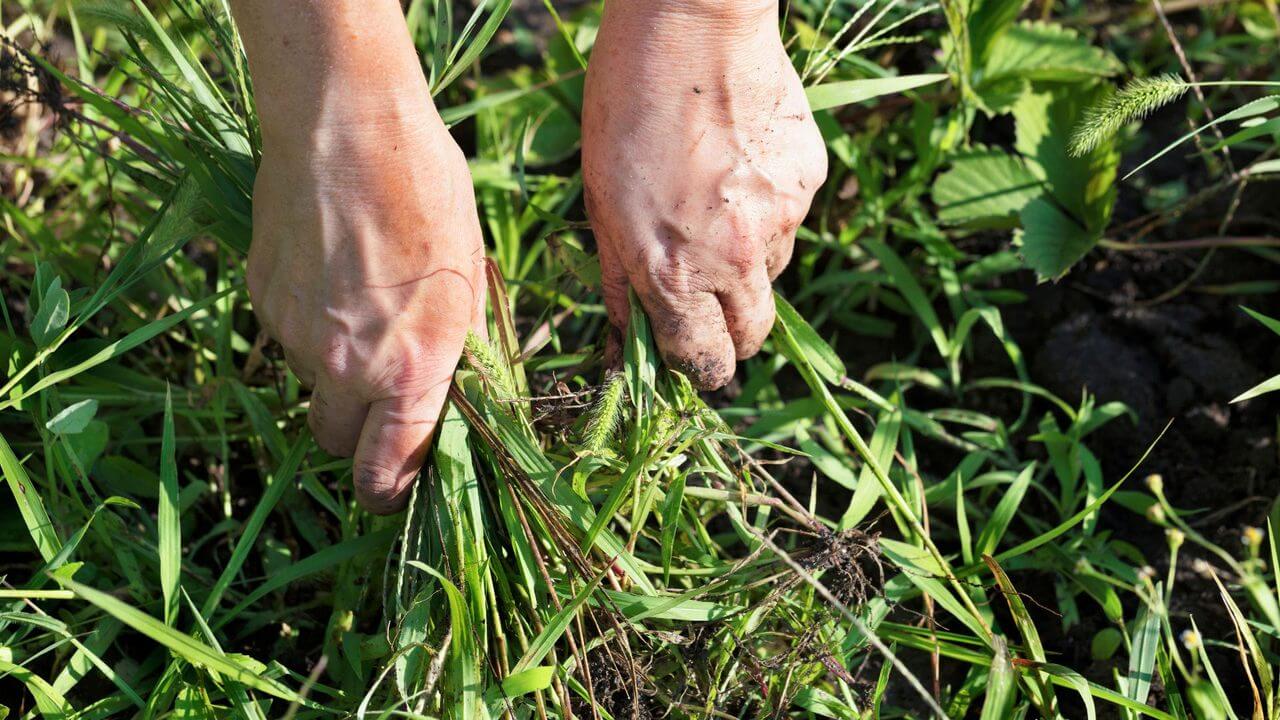
Manual weed removal becomes impractical in large lawns.
What Types of Weeds Threaten Your Lawn?
| Type | Common Examples | Impact on Lawn |
| Broadleaf | Dandelions, Clover | Compete for nutrients, spread fast |
| Grassy | Crabgrass, Foxtail | Blend with grass, harder to identify |
| Sedge | Nutsedge, Kyllinga | Thrive in moist soil, rapid spread |
How Weeds Spread So Quickly?
-
Wind, rain, and animal activity
-
Dormant seeds germinating in poor soil
-
Mowing without bagging clippings
-
Bare patches and compacted soil
Best Weed Control Methods
Pre-Emergent Herbicides: Stop Weeds Before They Start
| Best Time | Product Types |
| Spring | Prodiamine, Pendimethalin |
| Fall | Dithiopyr for winter weed control |
These pre-emergent herbicides are available at garden centers, home improvement stores, and online retailers.
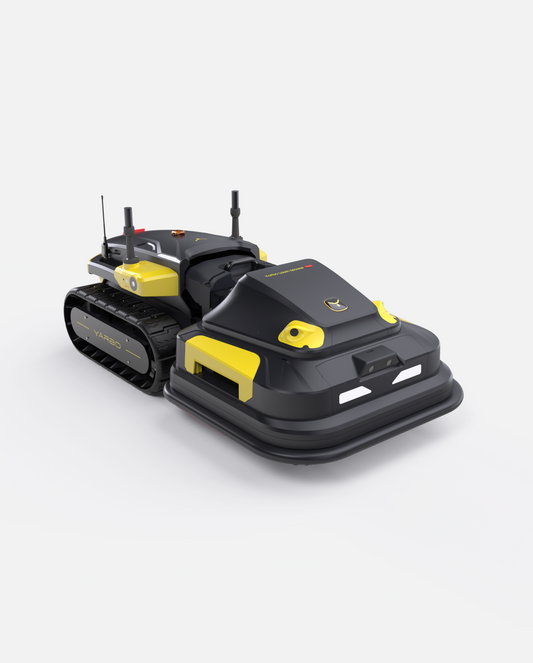
Yarbo Pro Tip: Apply before Yarbo mows, giving time for the herbicide to settle.
|
Pro
|
Cons
|
|
Prevents weeds before they start
|
Ineffective on existing weeds
|
|
Reduces overall weed population
|
Needs precise timing for effectiveness
|
|
Saves time on manual weeding
|
Can inhibit grass seed germination if applied improperly
|
Post-Emergent Weed Control: Kill Weeds After They Appear
| Target Use | Ingredients |
| Broadleaf weeds | 2,4-D and dicamba |
| All vegetation | Glyphosate |
Best Time to Apply
-
Best applied when weeds are actively growing, typically spring through early fall.
-
Use on a warm, dry day with no rain forecast for at least 24 hours.
|
Pros
|
Cons
|
|
Effective on existing weeds
|
May require multiple applications
|
|
Selective options available for targeted control
|
Can damage desirable plants if misapplied
|
|
Works well in combination with pre-emergents
|
Chemical options may pose environmental concerns
|
Natural Weed Control for Eco-Friendly Lawn Lovers
-
Vinegar and salt spray (sunny days)
-
Corn gluten meal (as a pre-emergent)
-
Manual weeding (spot-treatment)
Pros and Cons
|
Pros
|
Cons
|
|
Environmentally friendly
|
Often require repeated applications
|
|
Safe for pets and children
|
May not be as fast-acting as synthetic herbicides
|
|
Readily available and affordable
|
Can harm beneficial plants if applied incorrectly
|
Choosing the Right Weed Control Strategy for Large Yards
| Strategy Type | Best For | Compatible with Yarbo |
| Pre-emergent | Prevention | Yes |
| Post-emergent | Visible weed outbreaks | Yes |
| Natural methods | Small patches, eco homes | Yes |
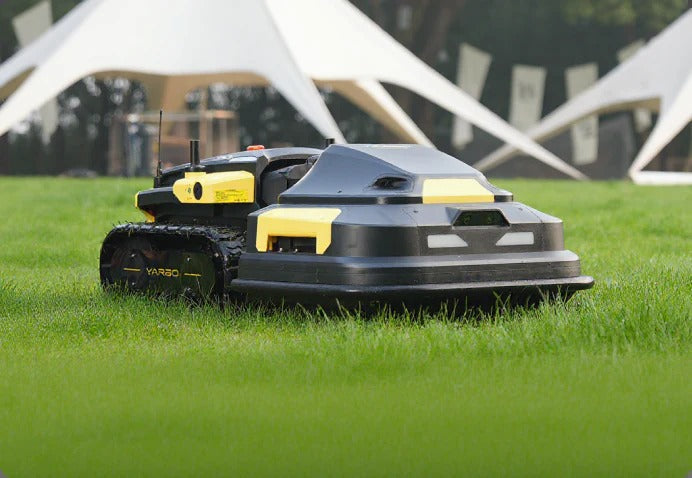
Recommendation: Combine pre- and post-emergents + Yarbo mowing for full-season protection.
What are Common Lawn Pests?
|
Pest
|
Damage Description
|
|
Grubs
|
Eat grass roots, cause brown patches
|
|
Chinch Bugs
|
Suck moisture from blades, leave dry areas
|
|
Armyworms
|
Chew blades, creating bald patches
|
|
Moles
|
Disrupt soil and roots while tunneling
|
What Signs Indicate a Pest Infestation?
-
Brown or yellow patches
-
Thinning grass or sudden die-off
-
Raised soil or molehills
-
Increased bird or animal activity in one area

Effective Pest Control Strategies

Biological Pest Control Methods for Sustainable Lawn Health
Best Biological Control Methods
-
Beneficial Nematodes: Microscopic worms that target soil-dwelling pests like grubs and beetles. Apply during early spring or fall when soil moisture is high.
-
Ladybugs and Lacewings: Feed on aphids and soft-bodied insects. Purchase from garden stores and release them in the affected areas.
-
Encourage Natural Predators: Birds, frogs, and bats help keep pest populations in check. Installing bird feeders and bat houses can attract these helpful creatures.
Where to Get Biological Controls
-
Available at online garden retailers, local nurseries, and pest control suppliers.
-
Can also be naturally encouraged by planting flowers that attract beneficial insects.
Pros and Cons
| Pros | Cons |
| Environmentally friendly | Takes time to see results |
| Safe for pets and kids | May not work on large infestations |
| Supports biodiversity | Requires knowledge of beneficial species |
Chemical Pest Control: Quick but Strategic Applications
Types of Chemical Pesticides
-
Insecticidal Soaps: Effective against soft-bodied insects like aphids and spider mites.
-
Granular Pesticides: Applied to soil for grub control, best used in early spring and fall.
-
Systemic Pesticides: Absorbed by grass and kill pests when they feed on it. Useful for persistent infestations.
Where to Get Chemical Pesticides
-
Available at home improvement stores, garden centers, and online retailers.
-
Look for eco-friendly and pet-safe formulations when possible.
Best Time to Apply
-
Spring: Apply granular treatments before pests become active.
-
Summer: Use sprays to target visible infestations.
-
Fall: Treat for grubs to prevent damage over winter.
Pros and Cons
| Pros | Cons |
| Fast-acting and effective | Can harm beneficial insects |
| Available in various formulations | May require protective gear |
| Provides immediate relief from infestations | Risk of chemical runoff into waterways |
Preventive Pest Control Measures
Top Preventive Strategies
-
Maintain Proper Mowing Height: Taller grass shades the soil, reducing pest habitat.
-
Improve Drainage: Standing water attracts mosquitoes and fungus gnats. Aerate soil to enhance drainage.
-
Remove Thatch and Debris: Thatch provides hiding spots for insects. Rake your lawn regularly.
-
Overseed Bare Patches: Thin lawns are more susceptible to pest invasions. Overseed in the fall for thicker grass.
Where to Get Preventive Lawn Care Products
-
Lawn care retailers and garden centers offer aerators, fertilizers, and organic pest deterrents.
-
Natural solutions like diatomaceous earth can be found online or in specialty stores.
| Pros | Cons |
| Long-term, sustainable results | Requires ongoing maintenance |
| Reduces need for chemical treatments | Not effective for severe infestations |
| Improves overall lawn health | Some methods take time to show results |
The Role of Soil Health in Pest and Weed Control
-
Test your soil to determine pH and nutrient levels
-
Aerate your lawn to improve root growth and water absorption
-
Add compost and organic matter to enrich the soil
Lawn Watering Best Practices
-
Water deeply but infrequently (1-2 inches per week)
-
Water early in the morning to prevent fungal diseases
-
Avoid overwatering, which attracts pests like grubs
Organic vs. Chemical Lawn Treatments
| Feature | Organic | Chemical |
| Effectiveness | Slower but sustainable | Fast but temporary |
| Environmental Impact | Eco-friendly | Potential runoff issues |
| Safety | Safe for pets and kids | Requires caution |
Companion Planting: A Natural Way to Repel Lawn Pests
-
Marigolds: Repel nematodes and aphids
-
Lavender: Deters moths and mosquitoes
-
Chives & Garlic: Discourage lawn grubs and beetles
Seasonal Lawn Care Guide for Year-Round Health
Conclusion
FAQs About Weed and Pest Control in Lawns
Use automated systems like Yarbo to mow consistently, apply treatments seasonally, and prevent overwatering.
Natural solutions like vinegar sprays and corn gluten meal are pet-safe alternatives.
Look for brown spots that peel up like a carpet and increased bird digging.
Yes, but it also depends on the type of herbicide you have used. Generally, you should allow herbicides to settle for 24–48 hours before resuming mowing, but the product label will provide the most accurate guidance for your specific herbicide.
Yes, if left untreated. Use preventive steps like nematodes and mowing.
Best in early fall to encourage strong root systems before winter.
.


Private group · 33.0K members