Winter often feels like a “resting” season for your yard, but that’s far from reality. Grass may go dormant, yet its root system continues to function. If ignored, your lawn becomes vulnerable to snow mold, compacted soil, frost damage, and suffocated roots. Winter lawn care is important; ignoring it can result in unhealthy lawns when spring arrives, you’ll find yourself dealing with patchy, thin, and weak grass that takes longer to recover.
By applying smart winter lawn care tips, you safeguard the turf, protect root systems, and set the stage for a greener, fuller lawn when temperatures rise again.
Common Winter Lawn Care Mistakes to Avoid
Even well-meaning homeowners can make these winter lawn care mistakes, leading to weaker grass, disease, and long-term damage. Avoid these errors to ensure your lawn stays strong through the cold months.
-
Cutting Your Grass Too Short Before Winter
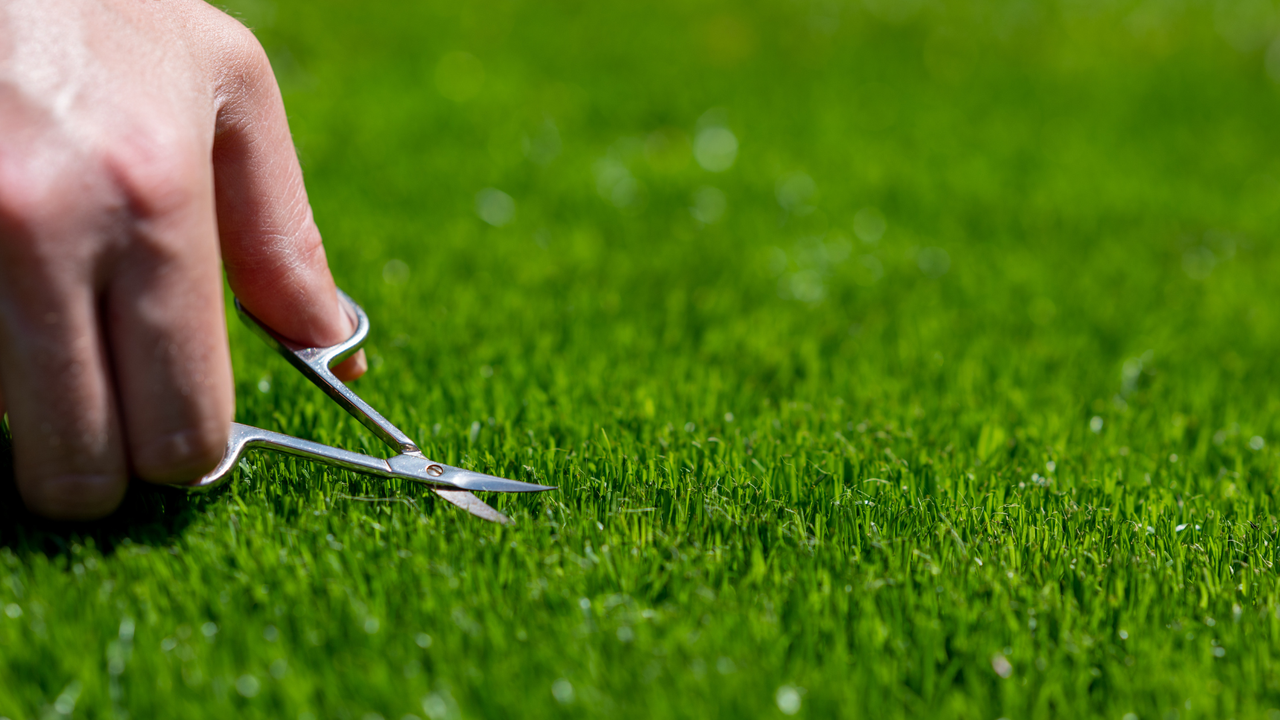
Many homeowners mow their lawns too short in late fall, thinking it prevents excessive growth in winter. However, cutting grass too low removes its natural insulation, exposing the roots to frost damage.
Best practice:
-
For cool-season grasses (like fescue, ryegrass, and Kentucky bluegrass), maintain a height of 2.5–3 inches.
-
For warm-season grasses (like Bermuda or Zoysia), keep it at 1.5–2 inches before dormancy.
-
Skipping Lawn Aeration in Fall
A compacted lawn suffocates roots, making it harder for grass to recover in spring. Aerating before winter improves oxygen flow and prevents excess thatch buildup, reducing the risk of snow mold and disease.
According to lawn experts, aeration can increase root growth by up to 50%, helping grass absorb nutrients more efficiently.
Best practice:
-
If you didn’t aerate in early fall, consider light aeration before the first frost in mild winter climates.
-
Avoid aerating frozen soil, as this can damage the roots.
-
Overwatering Your Lawn in Winter
Grass needs significantly less water in winter, as cooler temperatures slow down evaporation. Overwatering can lead to frozen water pockets, suffocating grass and promoting fungal diseases like snow mold.
Best practice:
-
Water only if your area experiences dry winter conditions with no snow cover.
-
For warm-winter regions (Zones 8–10), water your lawn every 3–4 weeks to prevent dehydration.
-
Using the Wrong Fertilizer
Applying high-nitrogen fertilizers before winter encourages weak, frost-sensitive growth, leaving your lawn more vulnerable to freezing temperatures.
Best practice:
Lawns treated with winter fertilizers have a 30% faster recovery rate in spring compared to those without.
-
Ignoring Heavy Snow Pile-Up
While snow insulates your lawn, large piles can create compacted ice, suffocating the grass beneath.
Best practice:
-
Gently remove excess snow from high-traffic areas using a shovel or snow blower.
-
Avoid walking on frosty grass, as frozen blades can break easily.
-
Leaving Leaves and Debris on the Lawn
A thick layer of leaves, twigs, and organic debris can trap moisture, leading to snow mold and fungal infections.
Best practice:
Winter lawn care requires some attention, but it’s easy to make mistakes that can affect your lawn’s health. Here are a few common errors to avoid:
-
Cutting Grass Too Short Before Winter: Cutting your lawn too short before winter can expose it to frost damage. Always leave enough length to protect the grass.
-
Neglecting to Aerate: Aeration helps to prevent compacted soil, especially in areas with heavy snow or ice. Aerating your lawn in fall will allow it to breathe through the winter.
-
Overwatering: During the winter, your lawn’s water needs decrease. Overwatering can lead to root rot and other issues.
-
Not Using the Right Fertilizer: Ensure you’re using a slow-release fertilizer designed for winter use. Using the wrong kind of fertilizer can harm your lawn’s health.
-
How to Tailor Your Winter Lawn Care to Your Climate
Winter lawn care calls for very different approaches depending on the climate you live in. Winter care may mean more snow removal and guarding against ice if you don’t live in a milder climate. But if snow clearing is a zero carbon activity, then warmer regions will need less of that, but probably more of this: maintaining grass height and spending more time trying not to damage frosts.
-
Cold Climates: Be sure to spend your time removing the snow and using a snow blower to rush the snow away as quickly as possible, and protect your lawn from ice. A winter specific fertilizer can help your grass retain nutrients in the harsher season.
-
Milder Climates: You don't have to worry about serious snow the way you may have in a previous decade in much of the country, but you do need to pay attention to proper grass height and avoiding foot traffic on frost covered lawns.
-
Get Your Lawn Ready for Spring
Winter lawn care doesn’t require hours of work, but it’s essential to follow these simple tips to protect your grass. By
clearing snow, trimming your lawn, applying the right fertilizer, and keeping traffic off your lawn, you’ll ensure your turf is ready to grow strong and healthy when the weather warms up.
Start taking care of your lawn this winter, and it will pay off when the first signs of spring appear. The healthier your lawn is during the colder months, the more vibrant and lush it will be once the growing season begins.
 Skip to content