Cart
0
Liquid error (snippets/sn-cart-drawer line 174): Could not find asset snippets/sn-cart-upsell.liquid
 Skip to content
Unable to load menu items. Please try again.
This collection is empty
Unable to load menu items. Please try again.
This collection is empty
Unable to load menu items. Please try again.
This collection is empty
Unable to load menu items. Please try again.
This collection is empty
Unable to load menu items. Please try again.
This collection is empty
Calculate your ROI
Unable to load menu items. Please try again.
This collection is empty
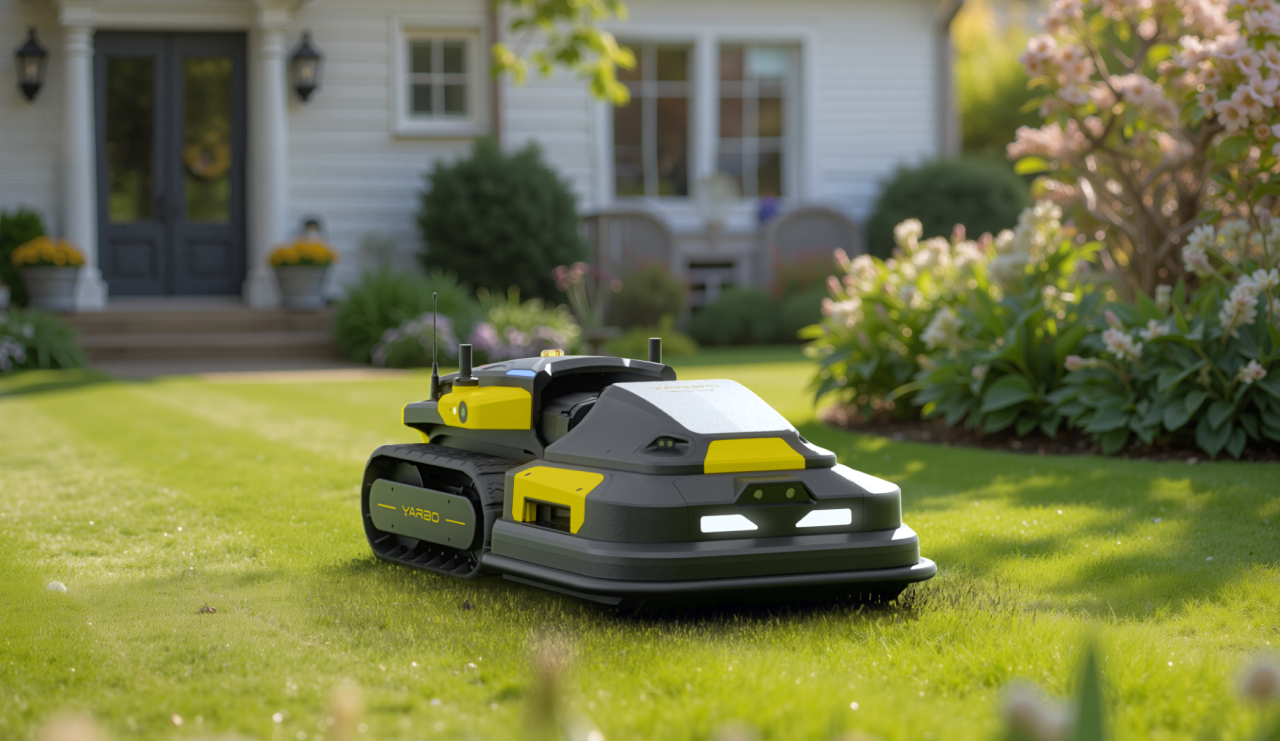
Zero-turn vs. riding mower: Compare speed, maneuverability, cost & efficiency to find the best lawn mower for your yard. Make the right choice today!

| Feature | Zero-Turn Mowers |
| Maximum Speed | Up to 7 mph (11 km/h) |
| Turning Radius | Zero-degree |
| Time Savings | 60-75% reduction in mowing time |

| Terrain Type | Best Mower Type |
| Flat and detailed | Zero-turn mower |
| Hilly and uneven | Riding mower |
| Wet lawns | Riding mower |
Got steep hills, tight corners, or random obstacles? Riding mowers are built to handle these quirks, making mowing less of a hassle and more of a smooth ride.
| Lawn Size | Recommended Mower Type |
| ¼ to 2 acres | Rear-engine riding mower, light-duty lawn tractor, residential-duty zero-turn mower |
| More than 2 acres | Commercial-duty zero-turn mower |
| Deck Size | Ideal Lawn Size | Efficiency | Maneuverability |
| 30" - 36" | Small yards (up to 1 acre) | Moderate | High |
| 42" - 48" | Medium yards (1.5 to 3 acres) | High | Moderate |
| 54" - 60" | Large yards (over 3 acres) | Very High | Low |
| Lawn Size (Acres) | Recommended Engine Size (hp) | Recommended Deck Size (inches) |
| 0.5 - 1 | 10 - 16 | 32 - 42 |
| 1 - 1.5 | 16 - 20 | 42 - 48 |
| 1.5 - 3 | 20 - 25 | 48 - 60 |
| Over 3 | 25+ | 60+ |
| Mower Type | Safety on Uneven Surfaces | Best Use Conditions |
| Zero-Turn Mower | Risky on slopes >10° | Flat, smooth lawns |
| Riding Mower | More stable on bumpy ground | Hilly or rough areas |
| Mower Type | Steering Mechanism | Learning Curve |
| Zero-Turn Mower | Two steering handles | Moderate to high |
| Riding Mower | Steering wheel | Low |
Check your welcome email for exclusive discounts.
We are unable to verify your email address.
Please check if the email
is correct.
Featured in Article
Leave your email and we'll let you know as soon as this product is back in stock.
Check your welcome email for exclusive discounts.
We are unable to verify your email address.
Please check if the email
is correct.