Cart
0
Liquid error (snippets/sn-cart-drawer line 174): Could not find asset snippets/sn-cart-upsell.liquid
 Skip to content
Unable to load menu items. Please try again.
This collection is empty
Unable to load menu items. Please try again.
This collection is empty
Unable to load menu items. Please try again.
This collection is empty
Unable to load menu items. Please try again.
This collection is empty
Unable to load menu items. Please try again.
This collection is empty

Calculate your ROI
Unable to load menu items. Please try again.
This collection is empty
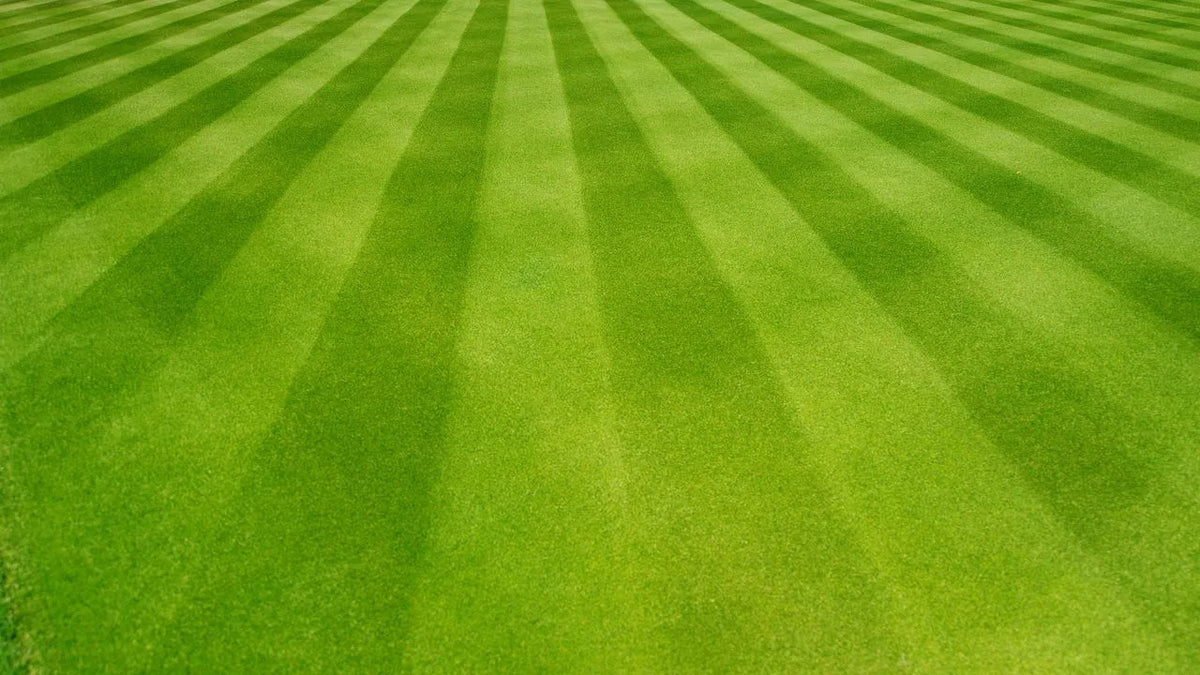
Let’s dive into some captivating lawn mowing patterns and learn how to achieve them.
Table Of Contents:
What Are Lawn Mowing Patterns?
Preparing Your Lawn for Mowing Patterns
Basic Lawn Mowing Patterns
Advanced Lawn Mowing Patterns
Expert Tips for Perfect Patterns
Maintaining Your Lawn Mowing Patterns
Conclusion
FAQs
Definition and Basics
Lawn mowing patterns are designs created by altering the direction in which grass is mowed. The patterns form because grass blades reflect light differently depending on the way they’re bent.
Benefits Beyond Looks
Beyond aesthetic appeal, mowing patterns can actually contribute to a healthier lawn by encouraging even growth and preventing soil compaction.
1. Tools You’ll Need
To create stunning patterns, you’ll need a reliable lawn mower with adjustable height settings and a roller attachment for bending the grass.
Keep your mower blades sharp for clean cuts. Dull blades can tear grass, leading to a ragged appearance and increased vulnerability to disease.
2. Choosing the Right Grass Type
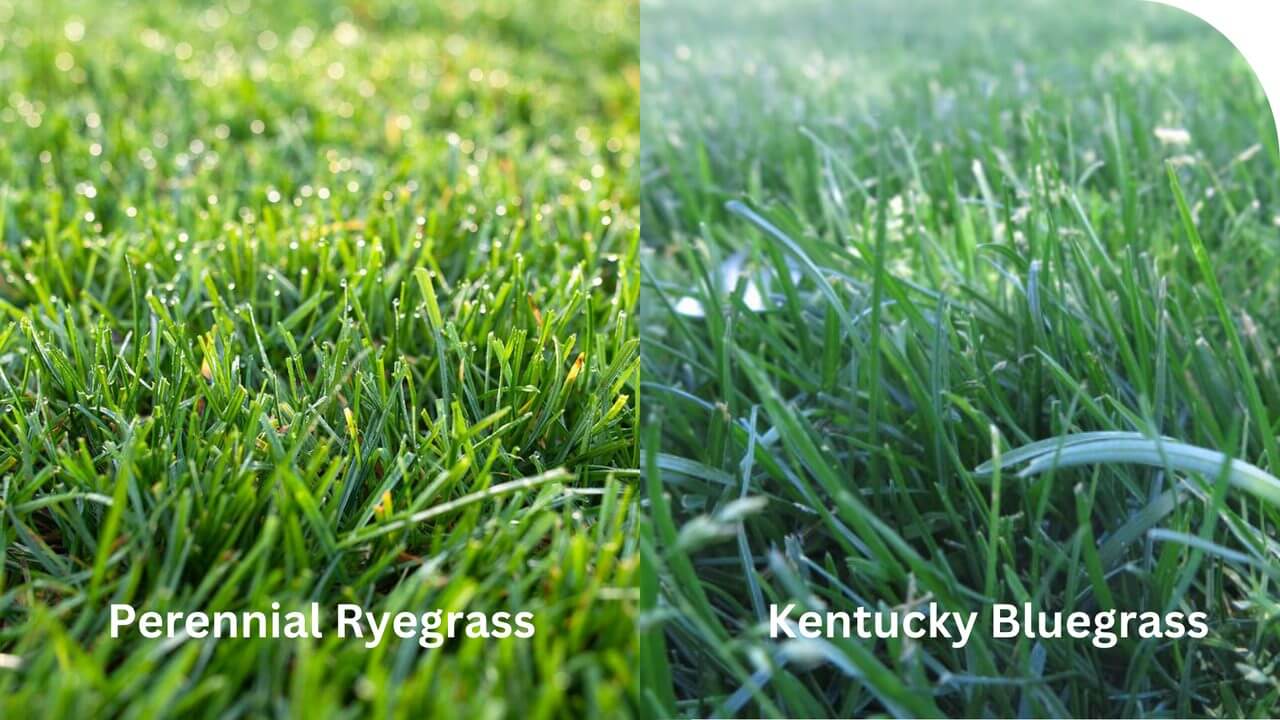
Patterns show best on cool-season grasses like Kentucky bluegrass or perennial ryegrass because of their flexibility and color.
3. Grass Height
Mow your grass at a taller height, around 3 to 3.5 inches. Taller grass bends more easily, enhancing the visibility of your patterns.
4. Importance of Healthy Grass
Ensure your lawn is free of weeds and well-watered. Healthy grass bends more easily and retains patterns longer.
Regular watering, fertilization, and weed control are essential. A lush, uniform lawn provides the best canvas for mowing patterns.
1. Straight Lines
Straight lines are the simplest pattern to master. Start by mowing parallel to a straight edge, such as your driveway.
How to Achieve: Mow in straight lines from one end of your lawn to the other. On the return pass, mow in the opposite direction adjacent to your previous pass.
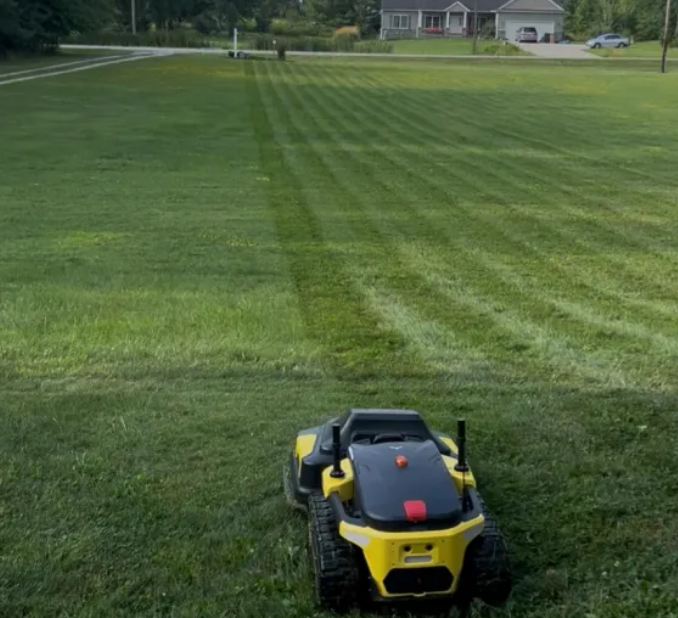
Tip: Use a fixed point, like a tree or fence post, to guide your path and maintain straight lines.
2. Checkerboard Mowing Pattern
Alternate horizontal and vertical lines to create a checkerboard effect. This classic pattern is a crowd-pleaser and surprisingly easy to achieve.
How to Achieve: Start by creating straight stripes. Once completed, mow another set of straight stripes perpendicular to the first set, forming a grid pattern.

Tip: This pattern is particularly effective on rectangular lawns and adds a professional touch.
1. Circular Mowing Patterns
Circular patterns are all about creating flow. Start at the center of your lawn and work outward in concentric circles.
How to Achieve: Begin mowing in a small circle at the center of your lawn. Gradually expand the circle outward, maintaining consistent spacing between each pass.
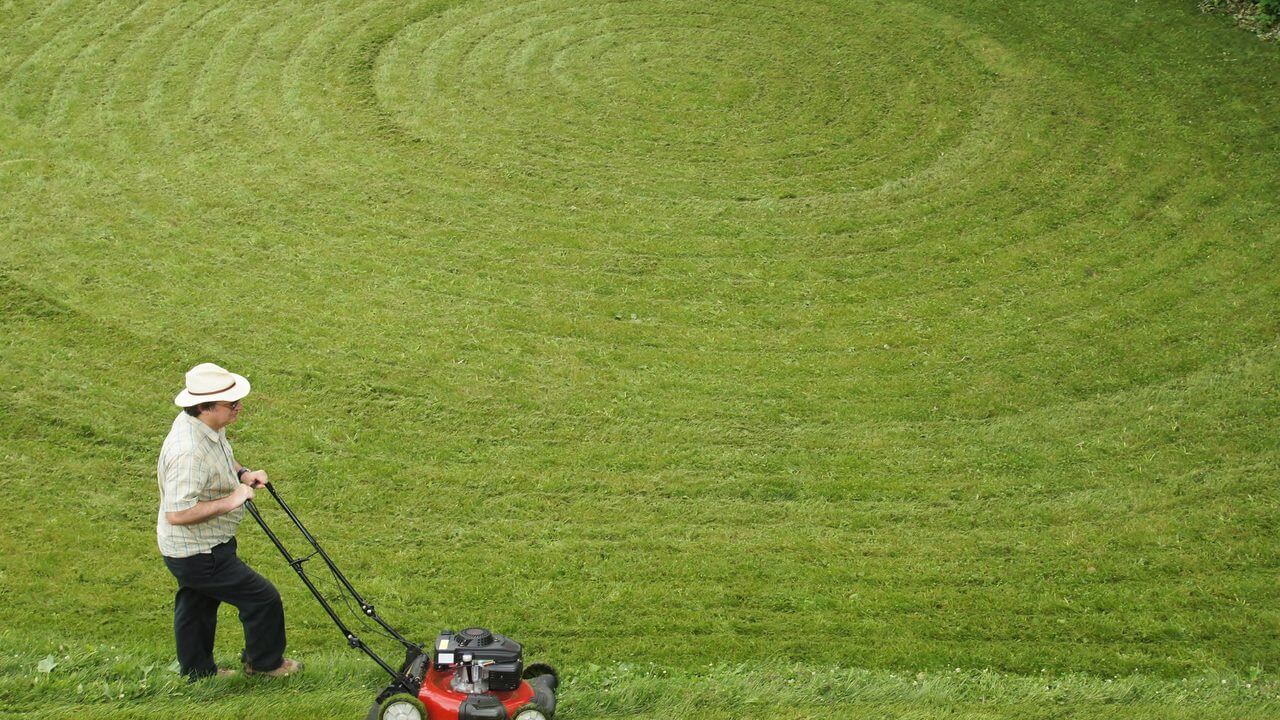
Tip: This pattern works best on open, unobstructed lawns and can create a mesmerizing effect.
2. Diamond Patterns
Diamond patterns take diagonal stripes to the next level by intersecting them. This design is ideal for formal settings or impressing guests.
How to Achieve: Mow diagonal stripes across your lawn. Then, mow another set of diagonal stripes perpendicular to the first set, creating a diamond pattern.
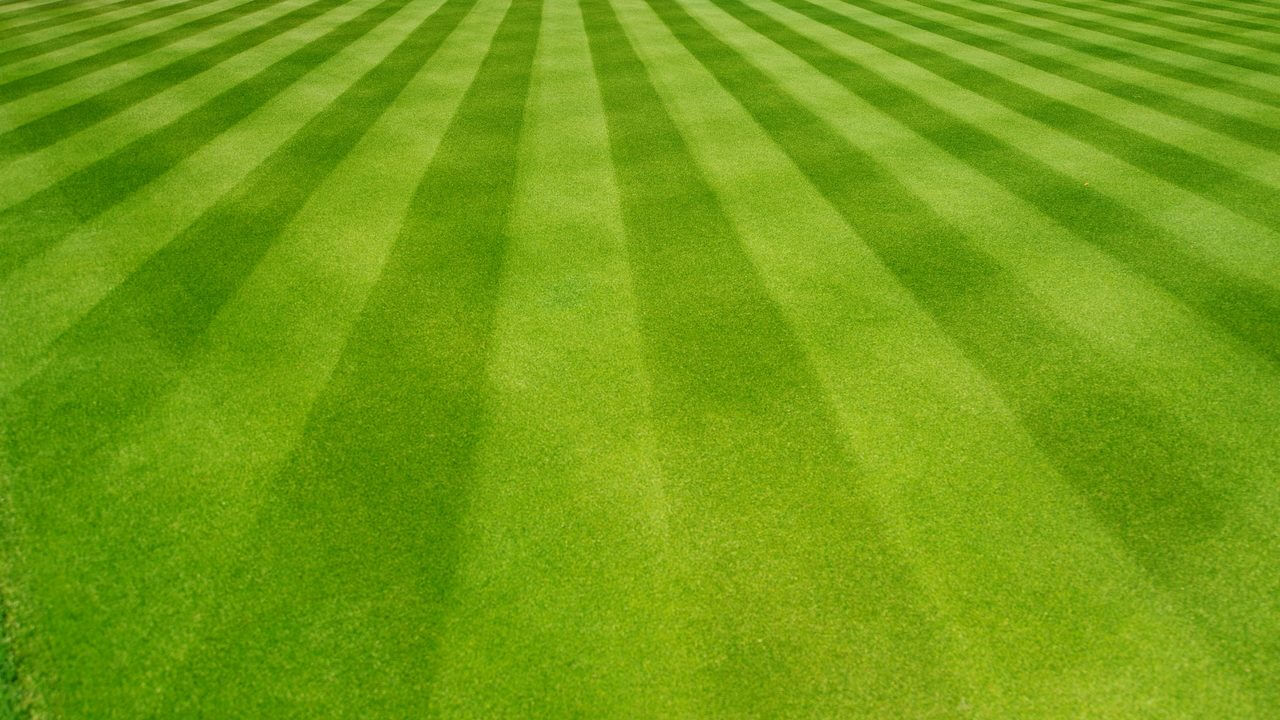
Tip: Align your initial diagonal stripe with a corner of your lawn to ensure symmetry.
3. Wave Patterns
Add a whimsical touch with wave patterns. Alternate curving lines across your lawn for a playful vibe.
How to Achieve:
To create a stunning wave mowing pattern:
• Mow in smooth, curving lines starting at one side of your lawn.
• For the next pass, mirror the curves in the opposite direction, keeping the waves flowing naturally.
• Continue alternating the curves with each pass until the entire lawn is covered.
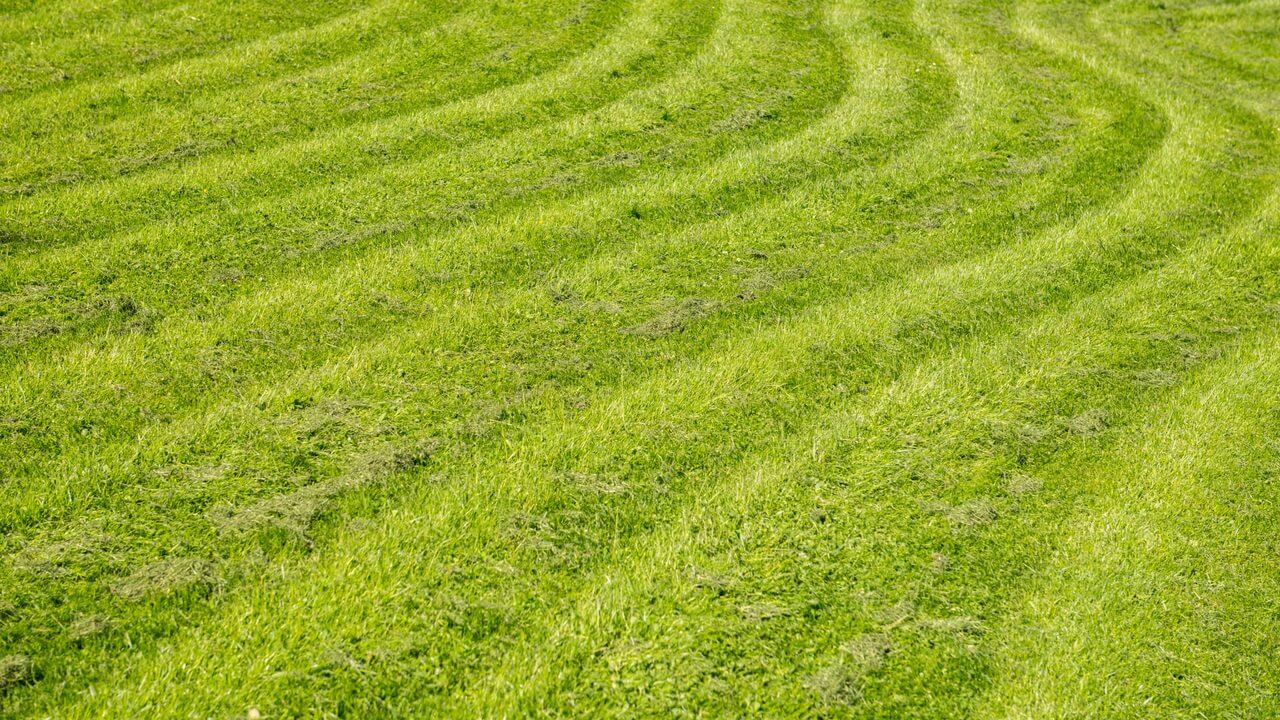
Tip:
Visualize the wave shape before you start. Align the first curve with the lawn’s edge for a balanced and symmetrical appearance. If needed, use a guide like a garden hose or chalk line to outline the waves before mowing.
• Adjust Mower Height: Keep the blades high enough to avoid damaging the grass.
• Alternate Directions Each Time: This avoids rutting and helps grass grow upright.
• Mow When Dry: Wet grass bends inconsistently and can look patchy.
• Use a Roller or Striping Kit: This enhances the contrast of light and dark lines.
• Plan Around Sunlight: Patterns look best when the sun casts shadows to highlight the bends in the grass.
• Light and Shadow: Plan patterns to maximize the light and shadow effects for a bolder look.
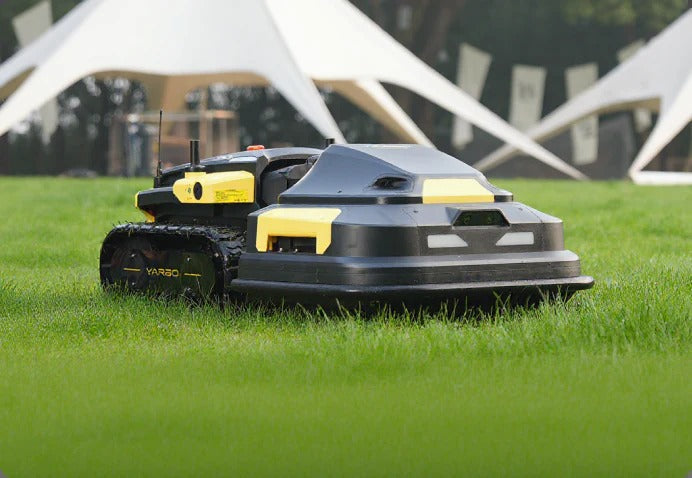
Yarbo’s lawn mower comes with an intelligent height adjustment feature that lets you easily customize the cutting height to suit different grass types and seasonal needs.
With adjustable settings ranging from low, clean cuts to higher trims for thicker turf, Yarbo ensures a healthy, well-maintained lawn without the hassle of manual adjustments.
Its precision control makes it easy to adapt mowing height across varying yard conditions, giving you a consistently even and professional-looking finish.
• Over-mowing or scalping (cutting too short) weakens the turf and harms growth.
• Repetitive patterns lead to compacted soil and worn tracks.
• Mowing wet grass causes clogs, uneven cuts, and potential disease
Mow regularly to keep patterns visible, and adjust for the season. Cool-season grasses may require more frequent care in spring and fall.
For expansive lawns, focus on patterns that balance creativity with efficiency, like wide diagonal stripes or checkerboards.
Environmental Benefits of Mowing Patterns
Patterns can improve soil aeration and water retention, contributing to a healthier lawn ecosystem.
Using Technology to Enhance Patterns
Robotic mowers and pattern-inspiration apps can help you achieve professional-looking designs effortlessly.
Inspiring Examples of Lawn Mowing Patterns
From sports fields to personal lawns, the possibilities are endless. Research iconic designs for inspiration, or let your imagination run wild.
Check your welcome email for exclusive discounts.
We are unable to verify your email address.
Please check if the email
is correct.
Featured in Article
Leave your email and we'll let you know as soon as this product is back in stock.
Check your welcome email for exclusive discounts.
We are unable to verify your email address.
Please check if the email
is correct.