Cart
0
Liquid error (snippets/sn-cart-drawer line 174): Could not find asset snippets/sn-cart-upsell.liquid
 Skip to content
Unable to load menu items. Please try again.
This collection is empty
Unable to load menu items. Please try again.
This collection is empty
Unable to load menu items. Please try again.
This collection is empty
Unable to load menu items. Please try again.
This collection is empty
Unable to load menu items. Please try again.
This collection is empty
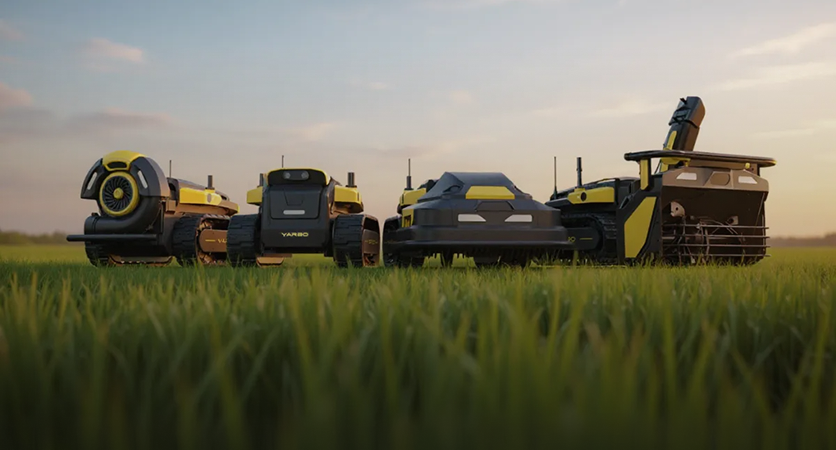
Calculate your ROI
Unable to load menu items. Please try again.
This collection is empty
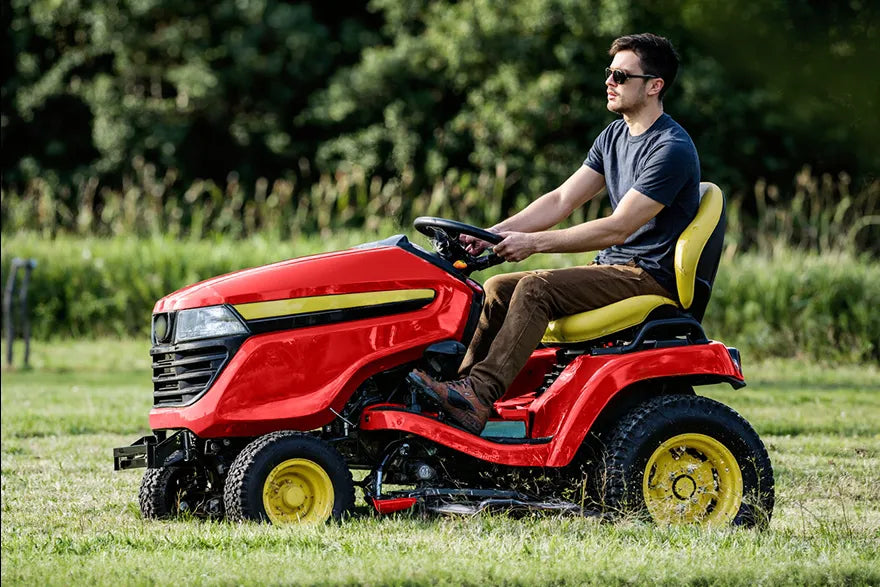
• Rear-Engine Riders – Compact and budget-friendly, perfect for small to medium lawns.
• Lawn Tractors – Versatile with attachments for mulching, bagging, or towing.
• Garden Tractors – Built for heavy-duty tasks, suitable for large and uneven terrain.
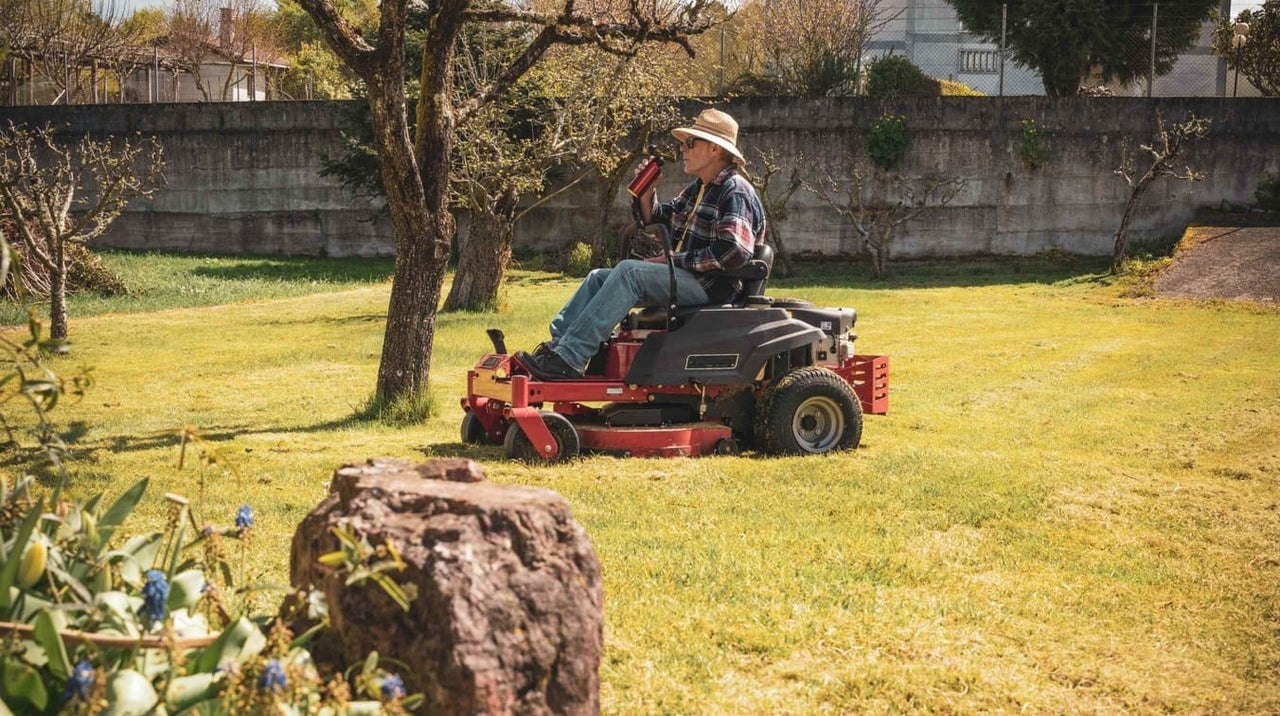
• Zero-Turn Mowers – Ultra-precise and fast, best for maneuvering around obstacles.
• Comfort: Padded seats and ergonomic controls reduce fatigue.
• Efficiency: Wide cutting decks cover more ground in less time.
• Ease of Use: Steering is simple, even for first-time users.
• Versatility: Attachments allow mowing, mulching, bagging, and hauling.
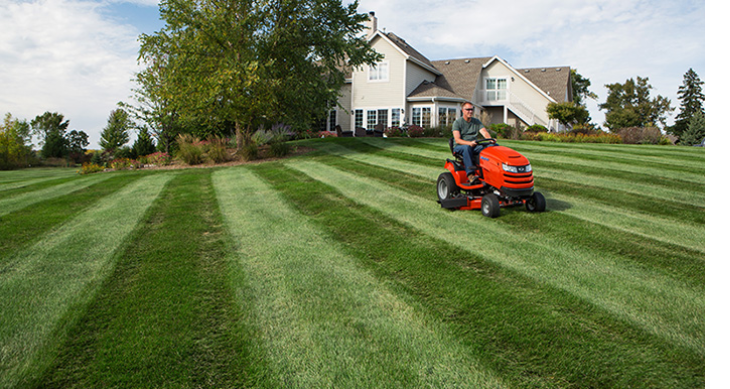 Understanding your lawn’s size and terrain helps you balance the cost of a riding lawn mower and performance.
Affordable Option:
• Rear-Engine Riders: Typically start around $1,200–$2,500.
• Small Lawn Tractors: Mid-range options for $2,000–$4,000.
• Hydrostatic Transmission for smooth speed changes.
• Adjustable Cutting Heights for different grass types.
• Comfortable Seating to reduce fatigue.
• Easy Maintenance with accessible parts and blades.
• Dual Hydro Drive for precise control.
• Full Suspension Systems for comfort on uneven ground.
• Powerful Engines reaching speeds of up to 13 mph.
• Durable Construction built to last years.
A key part of riding lawn mower cost isn’t just the purchase—it’s the maintenance. Regular care extends your mower’s life and keeps performance top-notch.
Neglecting upkeep can lead to costly repairs and shorter lifespan. Essential tasks include:
• Oil changes
• Blade sharpening
• Belt replacements
Air filter cleaningTips to Extend Lifespan
1. Clean after use to prevent rust.
2. Store in a dry space to protect from weather damage.
3. Check tire pressure regularly for smoother operation.
4. Use quality fuel for gas-powered mowers.
• Small to Medium Lawns: Rear-engine or compact tractors work well.
• Large Yards: Wide-deck tractors or zero-turn mowers are more efficient.
• Hilly or Uneven Terrain: Look for traction and stability features.
• Comfort: Adjustable seats and ergonomic controls.
• Extra Features: Attachments for mulching, bagging, or towing.
• Ease of Use: Ideal for beginners and experienced homeowners alike.
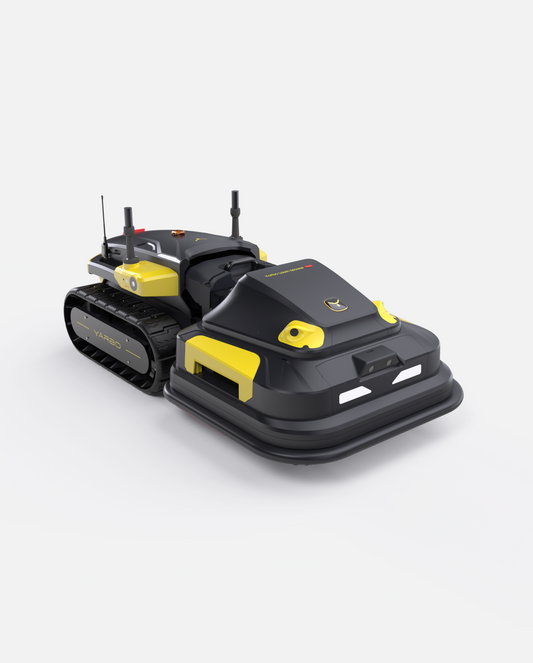
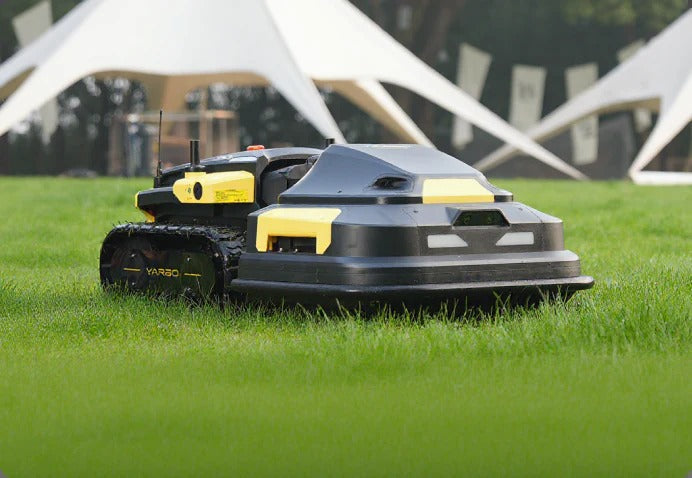
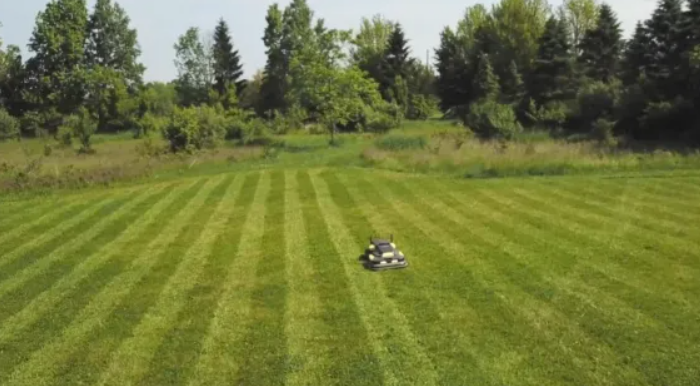
• Hands-Free Operation: No need to spend hours riding—Yarbo mows on its own.
• Precision Cuts: Advanced sensors and mapping ensure even coverage across large lawns.
• Efficiency for Big Yards: Ideal for sprawling properties that would take hours with a riding mower.
• Multi-Tasking: With modular design, Yarbo isn’t just a mower—it can also handle snow removal and leaf blowing, reducing the need for multiple machines.
• Eco-Friendly Option: Battery-powered operation reduces fuel costs and emissions compared to gas-powered ride-on mowers.
Check your welcome email for exclusive discounts.
We are unable to verify your email address.
Please check if the email
is correct.
Featured in Article
Leave your email and we'll let you know as soon as this product is back in stock.
Check your welcome email for exclusive discounts.
We are unable to verify your email address.
Please check if the email
is correct.